Whether you’re upgrading your spare air supply, stocking rental gear, or building a compact dive setup, an 80 cu ft scuba tank remains a versatile choice. This guide helps American divers compare five solid 80 cu ft options, highlighting who each tank is best for, and where to choose one over another. The top picks balance durability, valve compatibility, and suitability for saltwater use. Ideal buyers include recreational divers needing standard air capacity, instructors or rental shops, and enthusiasts upgrading from smaller tanks.
| Product | Key Benefit | Best For |
|---|---|---|
| Cyl-Tec S80 (Blue Reef) | Convertible DIN/Yoke valve; aluminum; corrosion-resistant | Divers needing regulator compatibility and saltwater durability |
| Catalina Cylinders 80 cf Aluminum Black | DOT/TC certified; ready-to-fill empty shipment | Reliability-focused buyers and rental fleets |
| Catalina Cylinders 80 cf Aluminum Red | DOT/TC certified; universal valve options | All environments; easy valve upgrades |
| Faber FX Series 100 cf Blue Steel | High-pressure steel; DOT E-13488; oxygen-cleaned | Experienced divers needing higher pressure and Nitrox suitability |
| Sea Elite Cyl-Tec Aluminum 80 | Pro-style valve; DIN/Yoke convertibility | Diving centers and serious hobbyists |
Notes: The 80 cu ft size typically corresponds to about 11.1 liters and around 3000 psi working pressure for many tanks listed here. For each option, consider valve compatibility, certification, and local regulations on filling and inspection routines. This selection focuses on tanks suitable for American divers seeking standard air use and broad compatibility.
Cyl-Tec S80 Aluminum Scuba Tank

Brand: Blue Reef
Features: 3000 PSI / 80 CU FT CAPACITY; Convertible DIN & Yoke Valve (removable DIN insert); Durable aluminum construction for corrosion resistance in saltwater environments.
Best for: Divers who need a versatile valve setup and a durable aluminum body for saltwater use. The convertible valve makes it easier to match with most regulators. A potential limitation is the aluminum material, which is light but can be more prone to surface wear than steel in aggressive environments.
Catalina Cylinders 80 cf Aluminum Red
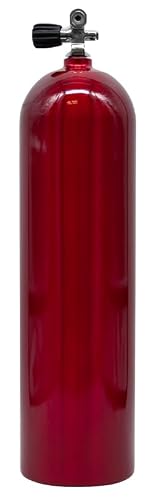
Brand: Catalina
Features: Ships empty and DOT/TC certified; Visual Inspection and valve installation required by the filling station; Aluminum cylinder suitable for all diving environments.
Best for: Buyers prioritizing broad certification and readiness for fill at a compliant shop. The need for a visual inspection and valve installation means this is best for users with access to a certified filling station. Limitation: shipment requires the tank to be empty per federal law.
Catalina Cylinders 80 cf Aluminum Black
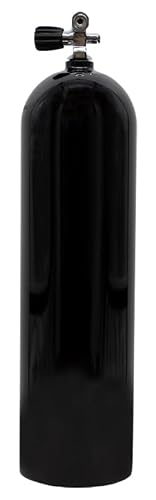
Brand: Catalina
Features: DOT/TC certified; Ready to fill (empty) with federal shipping requirements; Aluminum design suitable for varied diving environments.
Best for: Divers who want a straightforward, regulation-compliant aluminum option ready for filling at a shop. Caution: Ensure proper inspection before use to meet local requirements.
Faber FX Series 100 cu ft Blue Steel Tank

Brand: Faber
Features: 100 cu ft high-pressure blue steel tank; DOT E-13488 specification; oxygen-cleaned and suitable for Nitrox use.
Best for: Divers needing a higher capacity and steel construction for durability and pressure stability. Better for experienced divers or rental fleets that require robustness. Limitation: This is a larger 100 cu ft tank, so overall weight and handling differ from 80 cu ft options.
Sea Elite Cyl-Tec Aluminum 80

Brand: Sea Elite
Features: 3000 psi (207 bar); Pro-style valve convertible between Yoke and DIN; ships empty and DOT/TC certified.
Best for: Diving centers or serious enthusiasts who want easy valve interchangeability and a pro-grade conversion experience. Limitation: Check the exact valve compatibility with your regulators to avoid mismatches.
Buying Guide
What to consider when selecting an 80 cu ft scuba tank
- Valve compatibility: Look for DIN/Yoke convertible valves if you plan to use a range of regulators. Some tanks include a removable DIN insert, which adds flexibility.
- Certification and compliance: DOT/TC certification matters for United States compliance and filling station acceptance.
- Material and durability: Aluminum tanks resist corrosion in saltwater and are lighter; steel tanks offer higher strength and pressure stability but weigh more.
- Fill readiness: Some tanks ship empty and require a certified filling station for inspection, which is essential for safe use.
- Intended use: For rentals or high-usage environments, durability and ease of valve conversion help reduce downtime.
- Weight and handling: Steel tanks are heavier; consider the travel and transport needs for home use or travel by car.
- Nitrox and oxygen considerations: Some high-pressure steel tanks are oxygen-cleaned and suitable for Nitrox; confirm compatibility with gas mixes you intend to use.
Frequently Asked Questions
- What is the standard capacity of an 80 cu ft tank?
Answer: About 80 cubic feet of air at a typical working pressure around 3000 psi for many aluminum and steel tanks. - Do I need DOT/TC certification for U.S. diving tanks?
Answer: DOT/TC certification is commonly required for tanks to meet federal and filling-station standards. - Can aluminum tanks be used in saltwater environments?
Answer: Yes, aluminum tanks are corrosion-resistant and well-suited to saltwater use, though routine maintenance is important. - Is DIN vs Yoke valve compatibility important for beginners?
Answer: Yes; many divers prefer DIN-compatible valves for a tighter seal and broader regulator compatibility. Convertible valves add flexibility. - What should I consider when buying a tank for rental use?
Answer: Durability, valve interchangeability, certification status, and availability of service and inspection are crucial for rental fleets.