When choosing oilfield clothing, prioritize protection, durability, and comfort for harsh environments. This guide highlights five top options ideal for workers in oil and gas fields, refineries, and offshore operations. Each product is suited to different needs—full-body protection, flame resistance, breathability, or high visibility. Use the table below to compare at a glance.
| Product | Best For | Why It Stands Out |
|---|---|---|
| Andes Chemical Protection Coveralls | Full-body protection in messy chemical environments | Sealed seams, attached boots and hood, durable barrier fabric |
| WORKWEYA FR Lightweight Shirts | Flame-resistant tops for hot, sunny shifts | Cotton-based FR fabric, CAT2 protection, breathable and soft |
| BOCOMAL FR Shirts | Arc-flash protection with ventilation | Modacrylic mesh panels for ventilation, NFPA 2112/CAT2 |
| Pioneer Hi Vis FR Safety Vest | Visible protection in moderate-risk environments | Self-extinguishing FR vest, EN ISO 14116 and ASTM D6413 |
| Oilfield Worker Heartbeat T-Shirt | Casual layer with oilfield-themed design | Comfortable everyday wear for on-site crews |
Andes Chemical Protection Coveralls, Hazmat Suits

Best for: workers needing full-body chemical protection in controlled environments, such as cleanrooms or chemical plants alongside on-site oilfield tasks. This suit features durable sealed seams, an attached hood, and integrated boot covers for comprehensive coverage. It is built from reinforced polyethylene-coated fabric, delivering a strong barrier against acids, alkalis, petroleum-based substances, solvents, and agricultural chemicals. The anti-static treatment helps reduce ignition risks in flammable settings.
Why selected: The combination of sealed seams and an attached hood/boots makes this a strong option where splash and chemical exposure are concerns. It is designed to minimize gaps in coverage and improve barrier integrity during handling of hazardous substances on-site.
Caution: Anti-static fabric reduces static buildup but may be less breathable in hot conditions; use in conjunction with cooling or ventilation strategies for extended wear times.
WORKWEYA FR Lightweight Shirts

Best for: oilfield crews needing lightweight, breathable FR apparel for warm environments. These 5.5 oz cotton FR shirts offer arc-rated protection with CAT2 performance and a comfortable fit, featuring a chest pocket and a simple FR trial patch for quick checks. They pair well with FR pants or outer layers for day-long wear.
Why selected: The cotton-based FR fabric balances comfort with flame resistance, making these shirts suitable for daily wear on rigs or processing sites where heat and exposure are concerns. They also offer a practical pocket for small tools or notes.
Caution: Fabric is 100% cotton with FR treatment; consider layering in very cool or very hot conditions to maintain comfort and protection levels.
BOCOMAL FR Shirts for Summer

Best for: hot work environments where moisture management and airflow are essential. The shirt uses 6 oz FR 100% cotton jersey plus modacrylic mesh panels under the arms to enhance ventilation, helping workers stay cooler and drier during long shifts.
Why selected: Arc-rated protection (8.9 cal/cm²) and NFPA 2112/NFPA 70E compliance provide solid safety credentials for arc-flash risks. The Henley design with a hidden pocket and tagless neckline adds practical comfort for daily use on sites.
Caution: Mesh panels should be kept clear of heavy snag hazards; verify compatibility with other PPE in tight workspaces.
Pioneer Hi Vis Self-Extinguishing FR Vest
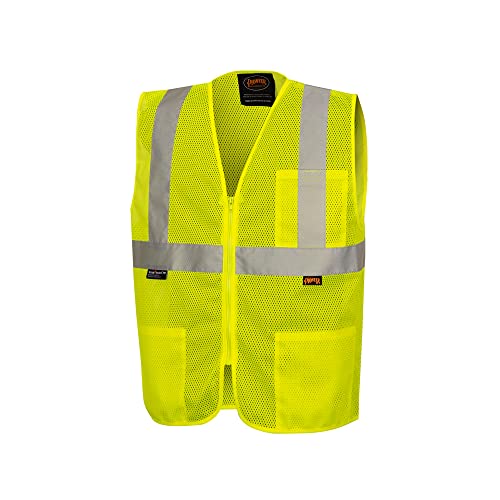
Best for: workers who need high visibility in moderate-risk oil, gas, mining, or transportation environments. This Class 2 high-visibility FR mesh vest provides self-extinguishing protection for added safety in flare-ups or ignition events when layered over other FR gear.
Why selected: It combines visibility with flame resistance and is designed to be worn over other FR clothing, ensuring workers stay seen and protected without sacrificing mobility. The vest meets EN ISO 14116 and ASTM D6413 standards, offering a recognized safety baseline.
Caution: Do not rely on the vest as a standalone FR layer in high-risk scenarios; pair with NFPA 2112-rated garments for full protection.
Oilfield Worker Heartbeat EKG Pulse T-Shirt

Best for: casual on-site apparel for oilfield crews, fans of oil industry-themed designs, or as a comfortable base layer on milder days. The graphic emphasizes oilfield life and equipment, appealing to workers and enthusiasts alike.
Why selected: A lightweight, everyday option that still aligns with oilfield identity. It pairs well with jackets or outer FR layers for variable climates common in field work.
Caution: Not FR-rated; avoid relying on this shirt alone for protection in heat or chemical exposure zones. Use with proper FR outerwear when required.
Additional Product Pairings
While the five products above cover a spectrum from full-body protection to visibility and casual wear, users may also consider matching FR shirts with FR pants, flame-resistant outerwear, and appropriate head and foot protection to suit job-site requirements. Always verify layering orders and compatibility with site-specific safety programs.
Buying Guide: Key Purchase Considerations
What level of protection do I need?
Assess whether you require full-body protection (coveralls), upper-body protection (FR shirts and vests), or visibility gear. Arc-rated protection is essential for electrical or arc-flash risks, while chemical resistance matters for handling hazardous substances.
Is breathability important?
In hot climates or long shifts, choose fabrics with ventilation features (mesh panels, lighter weights) to reduce heat stress without sacrificing safety.
How should I layer for variable conditions?
Layering is common in oil and gas sites. Start with a flame-resistant base or mid-layer and add a FR outer layer or high-visibility vest as needed for environmental conditions and job tasks.
What standards should I look for?
NFPA 2112 and NFPA 70E are common in the US for flame resistance and electrical safety. EN ISO 14116 and ASTM D6413 provide additional international and performance benchmarks for visibility and flame resistance.
What fit and comfort questions are practical?
Look for adjustable features (hoods, cuffs, zippers) and pockets that fit tools, pens, or devices. Tagless designs reduce skin irritation, and pre-shrunk or true-to-size fits help maintain comfort after washing.
What are the limits or caveats to know?
Some garments may be breathable yet offer lower barrier protection. Sealed seams and integrated boots improve coverage but can be less comfortable in high-heat environments. Always pair with site-specific safety gear and training.
FAQ
- Q: Do FR shirts provide enough protection on their own?
- A: They offer arc-rated protection when worn as part of a complete FR ensemble; verify site requirements and layering needs.
- Q: Are high-visibility vests always required?
- A: Not always, but they improve visibility in moderate-risk environments and pair with FR gear for enhanced safety.
- Q: Can I wear FR clothing in cold weather?
- A: Yes, but consider layering with warmer base or mid-layers designed for FR use.
- Q: How do I care for FR fabrics?
- A: Follow care instructions to preserve flame resistance; improper washing can reduce protective performance.
- Q: Should I always choose sealed-seam coveralls?
- A: Sealed seams provide better barrier protection in chemical environments; assess site exposure and contamination risk.