Answer: Use specialized pressure relief valves designed for cordless grease guns and related valve systems to prevent pressure locks, extend coupler life, and ensure safer, cleaner disconnections. The top picks below are best for DIYers needing reliable backpressure relief, pros needing robust industrial compatibility, and equipment owners seeking simple installation. The table summarizes key choices, who they’re for, and where they excel.
| Product | Best For | Why It Stands Out |
|---|---|---|
| LockNLube Pressure Return Valve for Cordless Grease Guns (Milwaukee/M18, M12, Ryobi) | Home mechanics and pros using Milwaukee, Ryobi, or M18/M12 systems | Eliminates pressure locks and messy disconnections; returns grease to tube; extends coupler life |
| LockNLube Pressure Return Valve for Cordless Grease Guns (DeWalt 20V Max) | DeWalt cordless grease gun users seeking backpressure relief | No more pressure locks; reduces waste; safer disassembly; compatible with DeWalt 20V Max |
| Merrill MFG PRVNL75 No Lead Brass Pressure Relief Valve 75 PSI | Industrial and plumbing applications requiring lead-free brass | Lead-free brass with stainless springs; IAMPO certified; 75 PSI relief |
| Valley Industries Pressure Relief Valve – 400 PSI | Higher-demand systems needing stronger relief and quick adjustments | Brass knurled locknut; Viton seals; 3/4″ ports for versatile use |
| Gate Valve Pressure Relief Release Tool 1” – 14 UNS x 1/2” NPT | Valve maintenance on oil, gas, and industrial lines | Relieves and bleeds excess pressure; useful when servicing valve cores |
This article highlights five options that reflect common needs: preventing pressure locks on cordless grease guns, ensuring safe disconnections, and providing reliable relief across various valve and lubrication scenarios. Each section below explains who should choose a given product and why, along with practical cautions when data supports them.
LockNLube Pressure Return Valve for Cordless Grease Guns

Features include compatibility with Milwaukee M18 and M12, and Ryobi ONE+ 18V cordless grease guns. It prevents pressure locks and messy disconnections while returning grease to the tube, reducing waste and extending the coupler’s life. Best for DIYers and pros already using LockNLube couplers in Milwaukee or Ryobi systems. Caution: designed to work with LockNLube couplers; compatibility should be verified for non-LockNLube setups.
LockNLube Pressure Return Valve for DeWalt 20V Max
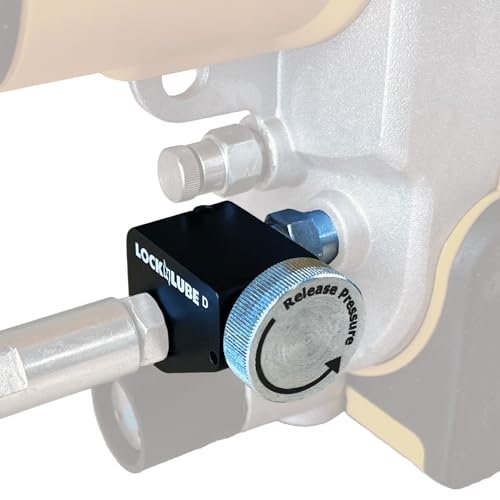
Features indicate compatibility with DeWalt 20V Max cordless grease guns, with the same benefits of avoiding pressure locks and unsafe disconnections. It also reduces waste and helps extend the life of the coupler. Best for professionals using DeWalt 20V Max tools. Caution: check exact model compatibility within the DeWalt lineup before purchase.
Merrill MFG PRVNL75 No Lead Brass PRV 75 PSI

Best for applications requiring lead-free brass and standard 75 PSI relief. Stainless steel control springs and IAMPO certification emphasize safety and durability. Choose this if lead-free construction is a priority and the system operates around 75 PSI. Caution: designed for specific valve configurations; ensure compatible connections with your equipment.
Valley Industries Pressure Relief Valve – 400 PSI

Best for systems requiring higher relief pressure up to 400 PSI with robust brass construction and Viton seals. Features include 3/4″ MNPT inlet and 3/4″ FNPT outlets and a knurled locknut with a tee-handle for quick adjustments. Choose this for heavier-duty environments or where higher relief pressure is necessary. Caution: higher relief pressures may be unsuitable for low-pressure systems.
Gate Valve Pressure Relief Release Tool 1” – 14 UNS x 1/2” NPT

Best for on-site service of gate valves in oil, natural gas, and industrial sectors where bleeding excess pressure is required. The tool supports 1”–14 UNS and 1/2” NPT fittings and is used to vent pressure when servicing, lubricating, or draining valve systems. Caution: intended for professional use in specific valve configurations; verify matching fittings before purchase.
Buying Guide
What to consider when choosing a grease pressure relief valve
- System compatibility: Confirm threading, inlet/outlet sizes, and compatibility with your gun or valve model.
- Relief pressure: Match the relief setting to your operating pressure to avoid under- or over-relief scenarios.
- Material and seals: Brass, stainless steel, and Viton or similar seals offer different durability and chemical resistance.
- Safety and waste: Valves should minimize grease splash, backpressure, and waste while enabling quick, clean disconnections.
- Ease of installation: Look for straightforward attachment and clear orientation requirements.
Best practices for installation and use
- Follow manufacturer instructions exactly for threading and torque.
- Check for leaks after installation with a light bleed test.
- Inspect seals and gaskets regularly for wear or deterioration.
Quick comparison
- Best for cordless guns: LockNLube Valve variants (Milwaukee/Ryobi and DeWalt) for preventing pressure locks.
- Best for lead-free requirements: Merrill PRVNL75.
- Best for higher relief needs: Valley Industries 400 PSI.
- Best for valve maintenance on heavy systems: Gate Valve Release Tool IRТ-1.
FAQ
- What is a grease pressure relief valve used for? It prevents pressure buildup, avoids leaks, and enables safe disassembly of grease lines or valve systems.
- Can I use a standard valve with any cordless grease gun? Compatibility matters; verify threading, size, and model compatibility with the gun and coupler.
- What does PSI refer to on a relief valve? PSI indicates the pressure at which the valve starts to release, protecting the system from overpressure.
- Are brass valves safer than stainless steel ones? Both are durable; brass is common for plumbing, while stainless offers higher corrosion resistance in some environments.
- Should I choose a higher PSI relief valve? Only if your system regularly operates near that level; otherwise, a standard setting reduces unnecessary relief events.
- Is a pressure relief valve mandatory for all grease systems? Not always; evaluate your equipment, operating environment, and safety guidelines to determine necessity.