Finding the right LPG tank for a forklift requires examining capacity, durability, safety certifications, and compatibility with forklift fueling systems. This guide highlights five leading forklift propane tanks from Flame King and other trusted brands, detailing what makes each a solid choice for warehouses, distribution centers, and industrial yards. Compare features side by side to choose a tank that delivers reliable fuel supply, quick fill options, and rugged construction designed to withstand daily use in demanding environments.
| Product | Brand | Capacity | Key Benefit |
|---|---|---|---|
| Flame King YSN335 – 33.5LB Steel Forklift Tank | Flame King | 33.5 lb | Built-in gauge; rugged steel body; liquid draw design |
| Flame King 33.5lb Aluminum Forklift Tank with Gauge | Flame King | 33.5 lb | Lightweight aluminum; gauge; DOT/TC compliant |
| Flame King 43.5LB Steel Forklift Tank with Gauge | Flame King | 43.5 lb | 30% more capacity; rugged steel; built-in gauge |
| New 33.5 lb Aluminum Forklift Cylinder With Quick Fill Valve | Generic | 33.5 lb | Certified DOT; quick fill valve; durable aluminum construction |
| Nashfuel Propane Tank Service Valve Pv3300 | Nashfuel | Tank valve accessory | Service valve; compatible with LPG systems |
Flame King YSN335 – 33.5LB Steel Forklift Tank
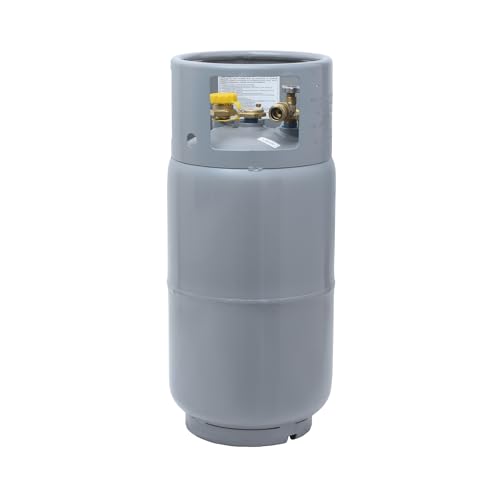
The Flame King YSN335 steel forklift propane tank is designed for heavy-duty warehouse use with a liquid draw design suitable for forklift applications. It supports horizontal or vertical mounting and includes a built-in gauge for easy monitoring of propane levels. The tank is constructed from high-grade welded steel, powder-coated for corrosion resistance, and arrives in a smooth, rust-free finish. It ships empty and pre-purged, ready to be filled, making it straightforward to integrate into existing fueling setups while maintaining safety standards.
Key considerations for this model include its steel construction, which prioritizes durability in transit and in rack storage. The built-in gauge helps reduce downtime caused by unexpected fuel depletion, while the ability to mount in multiple orientations offers flexibility in cramped or varied warehouse layouts. Potential drawbacks include heavier weight compared with aluminum tanks, affecting handling during movement and installation. Overall, it is well-suited for high-usage forklifts in demanding environments and aligns with common safety and performance expectations for propane-powered equipment.
Flame King 33.5lb Aluminum Forklift Tank With Gauge

This 33.5-pound aluminum forklift propane tank focuses on weight reduction without sacrificing safety or reliability. Its built-in gauge helps operators track remaining propane readily, and the tank is DOT and TC certified, indicating robust compliance with transportation and Canadian standards. The aluminum construction makes it lighter than its steel counterparts, which can reduce handling strain during delivery, installation, and maintenance. The powder-coated exterior guards against rust and corrosion, helping extend service life in varied warehouse climates.
Considerations for this option include its lighter weight benefiting daily handling and energy efficiency in transporting fuel, especially for fleets with multiple forklifts or variable shift workloads. On the flip side, aluminum tanks can be more sensitive to dents and scratches than steel tanks, potentially impacting long-term durability if not handled carefully. For operations prioritizing ease of transport and safety certifications, this model offers a compelling blend of practicality and compliance.
Flame King 43.5LB Steel Forklift Tank With Gauge

For warehouses needing extended runtime between fills, the Flame King 43.5LB steel forklift propane tank offers a larger capacity while preserving the same practical features—liquid draw design, vertical or horizontal mounting, and a built-in gauge. The larger capacity equates to longer operation times between refueling, which can boost productivity in high-demand environments. The tank maintains rugged steel construction with a powder-coated finish to resist corrosion and physical wear from daily handling, stacking, and transport in warehouses. It is DOT and TC certified, ensuring alignment with safety and regulatory standards.
Key trade-offs include the increased weight and footprint relative to 33.5 lb tanks, which may require more robust handling equipment or storage space. If your operation runs high-volume forklifts or needs extended intervals between fills, this model provides a practical upgrade without sacrificing safety or reliability.
New 33.5 lb Aluminum Forklift Cylinder With Quick Fill Valve

This aluminum forklift propane cylinder emphasizes certified safety and efficient fueling with a Quick Fill Valve. The tank is DOT-approved, stamped with DOT-4BA-240, and constructed in state-of-the-art facilities to ensure durable performance. Its aluminum build keeps weight manageable for routine handling and transport while offering robust resistance to corrosion. The included service fill and pressure-relief valve features enhance safety during operation and refill procedures, aligning well with standardized forklift fueling practices and maintenance routines.
Prospective buyers should weigh the advantage of the Quick Fill Valve against potential costs of replacement valves or seals in long-term use. For warehouses prioritizing faster fill times and a certified, reliable aluminum cylinder, this option delivers a compelling balance of safety and efficiency.
Nashfuel Propane Tank Service Valve Pv3300

The Nashfuel Pv3300 service valve is a precise accessory for LPG systems used in forklifts, enabling secure and dependable connections between components. While not a tank by itself, this valve is essential for ensuring safe fuel transfer, leak prevention, and consistent system pressure during operation. It is compatible with various LPG configurations and can be a critical component when retrofitting or upgrading forklift fueling setups. Operators should evaluate compatibility with their current tanks and hoses to maximize reliability and safety across shifts.
In considering valves and connectors, users should assess material quality, compatibility with existing fittings, ease of installation, and maintenance requirements. A well-matched valve like this can reduce downtime during flexibility changes, maintenance, or repairs and contribute to safer, more efficient fueling operations in busy warehouses.
Buying Guide: Key Purchase Considerations and Comparisons
When selecting an LPG tank for forklift use, consider these factors to ensure you choose the best option for your facility:
- Capacity and runtime: Higher-capacity tanks deliver longer runtimes between fills, reducing downtime in high-demand environments. Balance capacity with forklift weights and material handling capabilities to optimize efficiency.
- Material and durability: Steel tanks excel in rugged environments and heavy use, while aluminum tanks offer lighter weight for easier handling and reduced labor risk. Corrosion resistance and finish quality affect longevity in warehouse conditions.
- Certification and safety: Look for DOT and TC certifications, pre-purging, vacuum readiness, hydrostatic tests, and built-in safety features such as gauges and relief valves. Compliance reduces regulatory risk and improves operator confidence.
- Mounting flexibility: Tanks that allow horizontal or vertical mounting provide installation versatility in tight spaces. Ensure compatibility with existing racks and fork-truck fueling configurations.
- Valves, gauges, and fill options: Built-in gauges simplify monitoring, while quick-fill valves and service valves streamline maintenance and refilling. Consider compatibility with current hoses, couplers, and regulators.
- Weight and handling: Heavier steel tanks may require more handling equipment, whereas lighter aluminum options reduce labor. Evaluate your fleet size and warehousing infrastructure when choosing.
- Regulatory and regional compliance: Some models carry additional certifications for Canada (TC) or other jurisdictions. Ensure your choice meets all applicable requirements for your operation’s location.
- Cost of ownership: Initial price is important, but factor in future fills, maintenance, and potential downtime. Durable tanks with efficient fuel designs may yield long-term savings even if upfront costs are higher.
For buyers seeking a balanced mix of durability, safety, and efficiency, the Flame King options provide a strong pedigree with built-in gauges and robust construction. Aluminum tanks offer weight advantages, while larger steel tanks deliver extended runtimes. Accessories like reliable service valves and quick-fill valves are essential to maintain steady forklift operation. By aligning tank selection with fleet size, operational tempo, and storage constraints, warehouses can optimize fuel management and minimize downtime across shifts.