Answering the demand for durable, versatile rubber and gasket materials, this guide highlights five practical options for industrial projects, sealing, insulation, and DIY repairs. Each product is suited to different needs—heavy-duty gaskets, weather seals, or simple protective pads. Use this to compare materials, thicknesses, and intended uses to pick the right one for your task. The buyer types below reflect common uses: workshop DIYers, small shops needing replacement gaskets, and facility managers seeking reliable sealing solutions.
| Product | Best For |
|---|---|
| MATNIKS Rubber Sheets Variety Pack | DIY projects, leveling, sealing, bumpers |
| Red Silicone Rubber Sheet (60A) | High-temp gaskets, chemical resistance |
| HTJZWG Neoprene Rubber Sheet | Gaskets, weather sealing, durability |
| LISHINE Neoprene Rubber Sheet | Solid rubber for insulation and protection |
| Tlence 4-Pack Red Silicone Sheets | Heat-resistant gaskets, DIY crafts |
MATNIKS Rubber Sheets Variety Pack
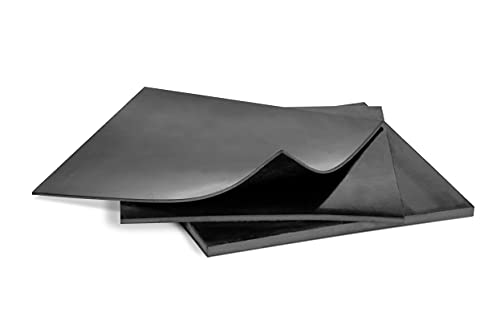
The MATNIKS set includes three 6×6 inch rubber sheets in thicknesses of 1/16, 1/8, and 1/4 inch. This variety pack is designed for DIY material projects, leveling, sealing, and lightweight protective bumpers. The rubber is described as heavy-duty and high-quality, processed to retain natural properties and reduce environmental gasses compared to other drying methods. Best for: small-scale projects and quick repairs where flexible, cuttable gaskets or spacers are needed. Caution: thickness variety means you’ll need to measure carefully for precise seals, and the sheets are not intended for high-pressure industrial environments.
Red Silicone Rubber Sheet, 60A

This 60 Shore A red silicone sheet is 1/16 x 9 x 12 inches and marketed as a high-temperature gasket material. It remains flexible across a wide temperature range (-80 to 450F) and offers notable tensile strength and elongation. It’s resistant to many chemicals, oils, and acids, making it suitable for industrial settings, marine, automotive, and DIY projects. Best for: applications requiring reliable heat resistance and chemical stability in small to medium gaskets. Caution: ensure compatibility with strict chemical environments—silicone can be less ideal where hydrocarbons are present in high concentrations.
HTJZWG Neoprene Rubber Sheet

HTJZWG offers a neoprene rubber sheet described as versatile for gasket making, weather stripping, pipe resealing, and protective pads. It emphasizes oil, water, and weather resistance with uniform density and flexibility. The sheet maintains a tight seal under compression and offers shock absorption in dynamic or vibrating environments. Best for: sealing and protection in environments with moisture and temperature variation. Caution: neoprene performance can vary with certain solvents; verify compatibility for aggressive chemicals in your application.
LISHINE Neoprene Rubber Sheet 1/8″ x 16″ x 30″
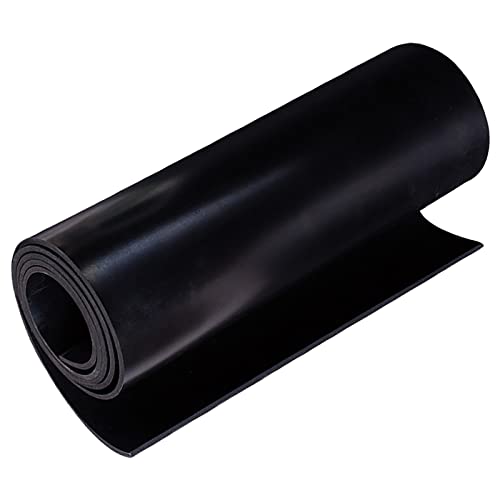
This solid black neoprene rubber sheet weighs in at 1/8 inch thick and 16 by 30 inches. It highlights good insulation properties and durability across a broad temperature range, with reliable rigidity and flexibility. The sheet is suitable for weather stripping, pad applications, and general gasket work. Best for: larger-area gaskets or pads that need durable, flexible material. Caution: not a foam or sponge—it’s solid rubber, which may be stiffer for very intricate shapes.
Tlence 4 Pack Red Silicone Sheets

Tlence provides four 12 x 12 x 1/8 inch silicone sheets in a red color, designed for high-temperature use and flexibility. The pack is suitable for DIY crafts, gaskets, insulating pads, and heat-resistant applications. They are advertised as easy to cut and shape with scissors or blades, maintaining elasticity under both high and low temperatures (-76℉ to 428℉). Best for: multi-piece gasket projects or kits that require standardized, tweakable silicone sheets. Caution: larger sheets can be unwieldy for very small seals; plan cuts accordingly.
Buying Guide: Key Purchase Considerations
- Material type: Choose neoprene for durable, flexible gaskets with good weather resistance; silicone for high-temperature and chemical resistance; nitrile for oil resistance and rugged environments. Consider the working temperature range and chemical exposure of your project.
- Sheet thickness and dimensions: Thinner sheets offer easier cutting for small seals; thicker sheets provide higher compressive strength and better gap filling. Match thickness to the expected compression in joints or interfaces.
- Density and hardness: Higher durometer materials hold shape under load but may be less forgiving on irregular surfaces. Softer sheets seal more easily but may wear faster in high-stress areas.
- Adhesive backing: Some options include self-adhesive backing for quick installations. For non-adhesive sheets, plan for mechanical fastening or adhesive after cutting.
- Chemical compatibility: Check solvent and chemical resistance. Silicone resists many chemicals and oils; neoprene is durable and oil-resistant; nitrile shines in oil-heavy environments.
- Application notes: For gaskets, ensure the material provides a reliable seal under expected pressure and temperature. For insulation and pads, prioritize density and compression recovery to absorb shocks and reduce noise.
FAQ
- What material is best for high-temperature gasket work?
– Silicone sheets are typically best for high-temperature applications and chemical exposure, especially in non-oil environments. - Should I choose neoprene or nitrile for weather sealing?
– Neoprene offers broad weather resistance and flexibility; nitrile is stronger for oil exposure and certain chemicals. Choose based on exposure and environment. - Are adhesive-backed rubber strips easier to install?
– Yes, self-adhesive backing simplifies installation, but ensure the substrate is clean and compatible with the adhesive. - Can these rubber sheets be cut to fit irregular shapes?
– Most sheets cut easily with a sharp utility knife or scissors; plan for precise cutting and test fit before final installation. - What thickness should I pick for a new gasket?
– Thinner sheets (1/16 or 1/8 inch) fit tight gaps; thicker sheets (1/4 inch) fill larger cavities but may require careful compression considerations. - Is solid rubber better than foam for pads and protection?
– Solid rubber offers greater durability and abrasion resistance; foam provides lighter weight and impact diffusion in some applications.