Answering the common buyer question: which hydraulic cylinder wiper seal best protects piston rods in industrial systems? This guide highlights five reliable options, explaining who each product is best for, and why you might choose one over another. Whether you need dust scraping, oil sealing, or rugged construction for challenging environments, these selections cover a range of use cases—from general automation to heavy-duty hydraulic setups.
Summary table of chosen products:
| Product | Brand | Best For | Key Material |
|---|---|---|---|
| LT Easiyl GA 35X45X5/8mm Wiper Seal | LT Easiyl | Industrial automation and piston cylinders needing dirt protection | Nitrile rubber, carbon steel |
| YOKIVE 5 Pcs UN Radial Shaft Seals | YOKIVE | Versatile hydraulic seals for multiple cylinders and guides | PU (polyurethane) |
| EAI Wiper Seal 32x45x7mm | EAI | Double lip scraper for harsh environments | Nitrile Rubber with metal case |
| 6 Pack Hydraulic Seal Installation Tools | sixcow | Sealing installation for multiple rod sizes | Various rubber handles, metal tools |
| EAI Wiper Seal 1.500″x1.875″x0.188″ | EAI | Compact, small-diameter piston rods | Nitrile Rubber with carbon steel case |
LT Easiyl GA Wiper Seal 35X45X5/8mm
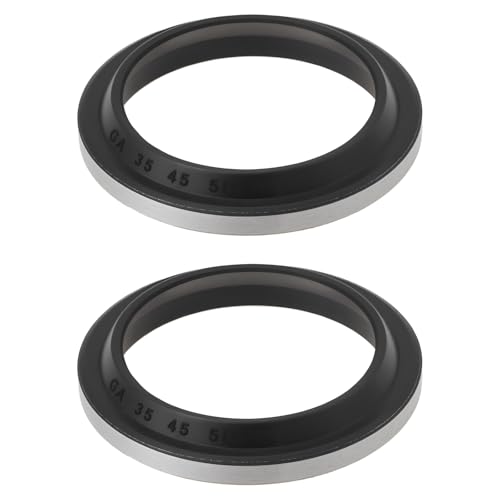
What it is best for: Ideal for industrial automation and hydraulic piston cylinders requiring effective dust protection. The GA 35X45X5/8mm design focuses on keeping debris out of critical sealing gaps.
Why it was selected: Combines a nitrile rubber sealing element with a carbon steel structure for durability and reliable sealing under typical industrial loads.
Best for: Buyers needing a compact, robust wiper that fits standard cylinder diameters and emphasizes dirt exclusion in production lines.
Caution / Limitation: May require precise size matching to existing grooves; verify the 35X45X5/8mm spec against your cylinder before ordering.
YOKIVE 5 Pcs UN Radial Shaft Seals

What it is best for: Multipurpose oil seals suitable for industrial hydraulic cylinders, hoists, guide rods, and piston seals in static pressure. A versatile set for workshops with diverse cylinder sizes.
Why it was selected: PU material offers oil resistance, wear resistance, broad temperature tolerance, and easy installation, supporting long service in varied industrial conditions.
Best for: Shops needing a ready-to-go assortment for different cylinder roles without purchasing seals individually.
Caution / Limitation: The set uses a fixed inner/outer diameter range; ensure your cylinder’s diameter matches the included sizes.
EAI Wiper Seal 32x45x7mm

What it is best for: A double lip scraper designed to wipe dirt and contaminants from piston rods as they move, protecting hydraulic systems in tough environments.
Why it was selected: The combination of high-strength nitrile rubber with a ground outer metal case delivers abrasion resistance and secure press-in fit.
Best for: Applications where efficient dirt scraping and a tight seal are required in compact cylinder spaces.
Caution / Limitation: Installation requires careful seating to prevent misalignment or leakage in small bore configurations.
6 Pack Hydraulic Seal Installation Tools

What it is best for: Installation aid for various rod seal sizes, supporting faster and safer seal replacements in hydraulic systems.
Why it was selected: The kit provides three sizes to cover a wide range of rod diameters, with features that reduce assembly errors and protect seals during installation.
Best for: Maintenance technicians and shops performing routine seal replacements on multiple cylinder sizes.
Caution / Limitation: Not a replacement for proper installation procedure; use with compatible seals and follow manufacturer guidance for each size.
EAI Wiper Seal 1.500×1.875×0.188
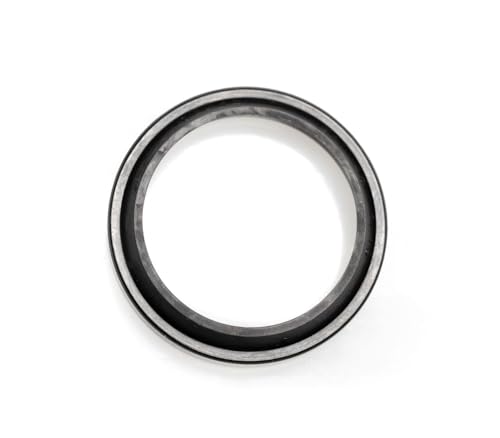
What it is best for: Compact, precise wiper seal for smaller hydraulic pistons and tight spaces, designed to remove dirt and protect the rod in movement.
Why it was selected: Nitrile rubber with a carbon steel case offers reliable abrasion resistance and a secure fit in limited bore configurations.
Best for: Applications where space is constrained but dust suppression remains critical.
Caution / Limitation: Ensure the seal dimensions are compatible with the specific small-diameter cylinder you use.
Buying Guide: Key Considerations For Hydraulic Cylinder Wiper Seals
Seal material: Nitrile rubber (NBR) balances oil resistance and abrasion resistance for many hydraulic fluids. PU (polyurethane) offers excellent wear resistance and low-temperature performance in some cases. Match material to the hydraulic oil your system uses and operating temperature range.
Size accuracy: Wiper seals come in precise bore and gap sizes. Measure inner diameter, outer diameter, and cross-sectional thickness. Inaccurate sizing can cause leaks or binding inside the groove.
Seal design: Double lip and single lip configurations provide different levels of dirt scraping and seal stability. Double lip designs typically offer stronger debris protection in dirty environments, while single lip seals may be simpler and adequate for cleaner systems.
Industrial environment: Consider exposure to dust, moisture, and temperature extremes. Steel-cased or metal-backed seals tend to offer better durability in harsh environments, while glass- or polymer-backed designs may be lighter and easier to install in clean settings.
Installation tools: Proper installation tools reduce the risk of damaging seals or grooves. Kits with multiple sizes support a broader range of cylinders, saving time in maintenance shops.
Application fit: Confirm compatibility with your cylinder type (piston cylinder, guide rods, or rotary-seal applications), operating pressure, and motion speed. Some seals are optimized for low-speed, high-load lines, while others fit general automation lines.
Maintenance implications: Wiper seals help prevent contamination, but seals have finite life. Plan for periodic inspection, replacement intervals, and compatibility with seals in neighboring components to avoid mixed wear patterns.
Frequently Asked Questions
- What is a hydraulic wiper seal? A wiper seal scrapes dirt and moisture from a piston rod as it moves, protecting the hydraulic fluid and preventing contaminants from entering the cylinder.
- How do I choose the right size for my cylinder? Measure the rod diameter and groove dimensions. Use the manufacturer’s tolerance guidelines and compare with the seal’s cross-section size for a snug fit.
- Are PU seals better than NBR for all applications? Not universally. PU offers high abrasion resistance and good aging properties, but NBR is widely used for oil resistance and cost efficiency. Choose based on fluid type, temperature, and wear conditions.
- Can I reuse a wiper seal? Generally not recommended. Replacing seals with new ones ensures proper fit, avoids hidden damage, and preserves system reliability.
- Do I need installation tools? Yes. Using the right tools reduces the risk of tearing the seal or damaging the groove during installation.
- How often should hydraulic seals be inspected? Inspect seals during routine maintenance or if you notice leaks, fluid contamination, or unusual rod movement.