Choosing the right filter for a vacuum pump is essential to protect the pump, extend its life, and maintain a clean work environment. This guide highlights five top aftermarket filters designed to fit common pump configurations and oil mist exhaust systems. Explore each option, compare materials and filtration efficiency, and find the right balance between maintenance needs and performance for your setup.
| Product | Brand | Key Benefit |
|---|---|---|
| Air Compressor and Vacuum Pump Intake Filter | Moisture Boss | OEM-compatible intake filtration for multiple brands |
| Oil Mist Filter for Vacuum Pump Fume Separator | iDili | Exhaust oil mist control with transparent housing |
| Oil Mist Filterm KF25 | Synaiolma | High-efficiency mist removal with glass fiber media |
| Oil Mist Filter for Harvest Right Freeze Dryer | Dalle | KF25 filtration for freeze dryer vacuums |
| Surneis KF25 Oil Mist Filter | Surneis | Robust filter with 95% filtration efficiency |
When selecting a filter, consider filtration efficiency, compatibility with your pump’s exhaust interface (e.g., KF25, KF40, or generic fittings), maintenance visibility, and whether you need a straightforward intake filter or an exhaust oil mist filter. The options below cover intake and exhaust filtration needs across a range of popular vacuum and blower systems.
Moisture Boss Intake Filter For Vacuum Pumps

Brand: Moisture Boss
Features: OEM-compatible air filter designed as a direct replacement for multiple OEM part numbers. It supports filtration for various brands including Ingersoll Rand, Sullair, Solberg, Gardner Denver, and more. The filter uses polyester media with a foam pre-filter and molded plastisol end caps with a metal inner support core for durability and performance. This intake filter is built to meet or exceed OEM standards, making it suitable for critical pumping applications where clean intake air improves efficiency and longevity.
Recommended use: Primary intake filtration to reduce particulate ingress and extend pump life, especially in dusty or dirty environments. Suitable for U.S. heavy-duty air systems and compatible OEM part crossovers simplify stocking and maintenance.
iDili Oil Mist Filter For Vacuum Pump Exhaust

Brand: iDili
Features: KF25 interface exhaust oil mist filter with a filtration effect around 95%. The transparent housing allows easy visual indication of when replacement is needed. This filter aims to prevent oil mist from dispersing into indoor environments, contributing to a cleaner workspace and healthier air around the equipment.
Recommended use: Best for vacuum pump exhaust filtration where visible maintenance cues are valued and where environmental oil mist control is a priority.
Surneis KF25 Oil Mist Filter

Brand: Surneis
Features: High-grade PC construction for durability in harsh industrial environments. Uses a physical filtration method with up to 95% efficiency. Built-in glass fiber filter material and transparent housing support easy observation of filter condition, aiding maintenance decisions and ensuring healthier air discharge from the pump.
Recommended use: Industrial or chemical processing settings where durable construction and clear maintenance indicators are important for consistent filtration performance.
Harvest Right KF25 Exhaust Filter For Freeze Dryers
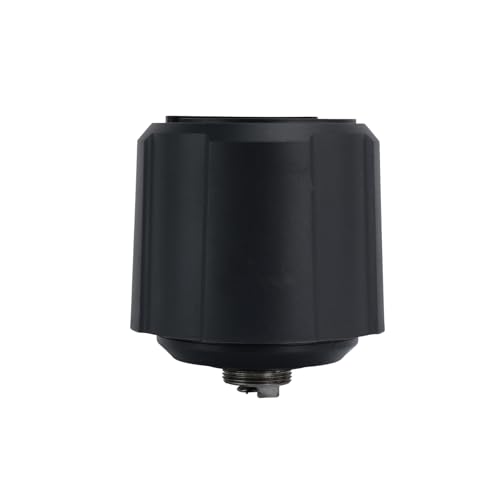
Brand: Dalle
Features: KF25 vacuum pump exhaust oil mist filter designed for Harvest Right freeze dryer vacuum pumps and similar KF25 interfaces. It provides 95% filtration efficiency to reduce oil mist emissions and maintain a cleaner laboratory or workshop environment. Construction combines plastic and stainless steel for durability and reliability.
Recommended use: Freeze dryer setups or other systems using KF25 exhaust interfaces that require reliable oil mist filtration and clear maintenance indicators.
ScitoLAB Vacuum Pump 50 L/Min (Alternative Filtration)

Brand: ScitoLAB
Features: Oilless lab pump with on/off switch, oil-free maintenance, and a compact build. Includes a silica silencer to reduce noise and maintain a quieter working environment. While this item emphasizes low-maintenance operation, it complements filtration by minimizing oil residue spread through exhaust.
Recommended use: Laboratory or electronics industry environments where quiet operation and oil-free performance are prioritized, with filtration as part of broader preventative maintenance.
Buying Guide: Key Purchase Considerations And Comparisons
- Filtration efficiency: Look for filters with high oil mist filtration percentages (around 95% is common for KF25 systems). Higher efficiency reduces oil deposition and air contamination in workspaces.
- Interface compatibility: Confirm your pump’s exhaust interface (KF25, KF40, or other) and ensure the filter’s connection matches. Some products offer universal or cross-compatible fittings.
- Intake vs. exhaust: Intake filters protect the pump internals from particulates, while exhaust oil mist filters limit oil-laden vapor release. Choose based on whether the priority is pump protection or workplace air quality.
- Maintenance visibility: Transparent housings or filters with clear replacement indicators simplify maintenance planning and reduce downtime.
- Materials and durability: For industrial settings, choose filters with robust housings (PC, metal mesh, or durable plastics) and media designed to withstand heat and abrasion.
- Brand support and OEM compatibility: OEM-compatible filters ease replacement part sourcing. Ensure the filter lists compatible OEM brands or part numbers to prevent mismatches.
- Application environment: In dusty or chemical-heavy environments, prioritize filters rated for higher resistance to contaminants and more frequent maintenance intervals.
- Cost vs. longevity: Compare initial cost with expected service life. Durable, easy-to-clean designs may offer lower total cost over time, even if upfront prices are higher.
When evaluating options, align your choice with your usage pattern, maintenance cycle, and environmental concerns. For sensitive workshops, prioritizing exhaust filtration and air quality can provide tangible health and safety benefits, while for heavy-duty industrial setups, intake protection and durability may take precedence.