Answering the question for buyers seeking double-walled diesel storage, these tanks emphasize spill containment, security, and portability. Ideal for fleet operations, construction sites, and mobile refueling setups, the top picks balance safety with ease of use. Best for stationary use, lockable access, and compliant containment, these models help prevent leaks and simplify transport.
| Product | Best For | Key Benefit |
|---|---|---|
| Western Global FCS119 FuelCube Type-S Diesel Tank, 119 Gallon / 12V Pump | Stationary use, security-conscious sites | 110% contained double-walled design with UL142 approval when stationary |
| Western Global FCS119 FuelCube Type-S Diesel Tank, 119 Gallon / 115V Pump | Versatile pump options, on-demand fueling | Same containment and security features; 115V pump option |
| RDS Aluminum Auxiliary Transfer Fuel Tank – 200 Gallon | Slosh-free transfers, viewing fuel level | Baffled design and sight gauge for easy readings |
| VEVOR Portable Diesel Tank, 58 Gallon | Compact portability with durable construction | Duplex filtration and 12V pump for efficient refueling |
| VEVOR Portable Diesel Tank, 116 Gallon | Large portable option | Lockable upper lid, duplex filter, 10.6 GPM flow |
Western Global FCS119 FuelCube Type-S Diesel Tank, 119 Gallon / 12V Pump

Best for: stationary fueling stations at remote sites or workshops requiring a secure, contained unit. Why selected: It features a built-in double-walled containment, reducing spill risk, and a lockable equipment cabinet for securing ports and accessories. The design meets UL142 requirements when stationary, supporting safer diesel transport and storage. Caution: Ensure proper ventilation and follow local regulations for diesel storage on-site.
Western Global FCS119 FuelCube Type-S Diesel Tank, 119 Gallon / 115V Pump

Best for: sites needing a higher-powered pumping option without sacrificing containment. Why selected: Mirrors the 12V model’s safety features with a different pump configuration, keeping 110% containment and non-hazmat transport. Limitation: The 115V version may require power access planning at remote locations.
RDS Aluminum Auxiliary Transfer Fuel Tank – 200 Gallon

Best for: operators needing a larger, slosh-resistant auxiliary tank with clear fuel level readings. Why selected: The baffled design minimizes fuel movement, and the sight gauge provides quick level checks. Caution: Aluminum construction means guarding against chemical exposure exposure and corrosion in certain environments; verify compatibility with your fuel type.
VEVOR Portable Diesel Tank, 58 Gallon

Best for: small crews needing portable refueling capability with secure storage. Why selected: Its lockable upper lid deters theft, and the 12V pump with duplex filtration supports cleaner transfers. Caution: Smaller capacity means more frequent refills on larger jobs; plan tanking intervals accordingly.
VEVOR Portable Diesel Tank, 116 Gallon

Best for: extended on-site fueling with higher capacity and protection. Why selected: A large-capacity portable tank with a lockable lid and duplex filtration, designed for frequent use in varying job environments. Limitation: Higher weight and size may require more planning for transport and site access.
Western Global FCS119 FuelCube Type-S Diesel Transfer Tank, 119 Gallon
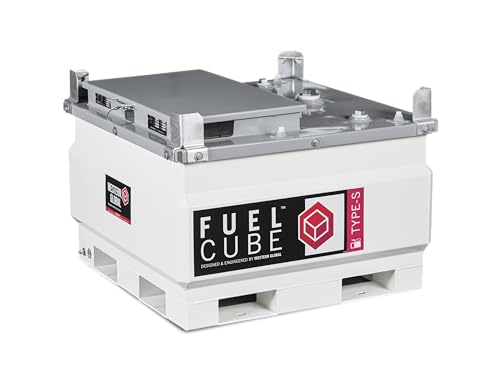
Best for: secure transfer-focused operations where fuel access needs to be predictable and contained. Why selected: Includes a fuel level gauge, lockable cabinet, and non-hazmat transport with 110% containment. Caution: Confirm compatibility with on-site fueling equipment and hoses before purchase.
Orion Motor Tech 58 gallon Diesel Tank

Best for: quick-fill mobility with easy nozzle operation. Why selected: Features a 12V DC transfer pump and auto nozzle for fast, controlled refueling. Caution: This model is smaller than some others, so plan for higher-frequency refills on larger fleets.
Moeller Marine Below Deck Permanent Fuel Tank (22-Gallon)

Best for: marine installations or compact diesel storage aboard vessels. Why selected: Built to resist ethanol and biodiesel corrosion with a durable aluminum withdrawal fitting. Caution: Small capacity means frequent refueling on larger vessels or operations.
Buying Guide: Key Considerations For Double-Wall Diesel Tanks
- Containment and safety: Prioritize double-walled containment to prevent leaks and spills. Look for UL142 or equivalent approvals when the unit is stationary.
- Security: A lockable cabinet or secure lid helps deter theft and protects ports and pumps.
- Capacity: Match tank size to expected refueling frequency and fleet size. Larger tanks reduce refill downtime but are heavier to move.
- Pump options: Consider 12V versus 115V or higher power pumps. Align with available power sources at sites.
- Portability: For mobile operations, evaluate handles, forklift pockets, and transport ease without sacrificing containment.
- Filtration and fuel quality: Duplex filtration and level gauges aid in maintaining fuel quality and monitoring levels at a glance.
- Material and durability: Polyethylene tanks offer UV resistance and weather tolerance; aluminum tanks provide light weight and corrosion resistance for marine or specialized uses.
Frequently Asked Questions
- What does “110% contained” mean in double-wall tanks?
It means the outer wall can contain the entire contents in the event of a leak, reducing spill risk and environmental impact. - Are these tanks suitable for hazmat transport?
Most options here are marketed as Non-HAZMAT for transport, but always verify local regulations and packaging requirements. - Which tank is best for stationary shop use?
The Western Global FCS119 Type-S models are well-suited for stationary shop installations with secure cabinets and containment. - Do portable tanks require special permits for transport?
Transport rules vary by jurisdiction; portable diesel tanks labeled non-hazmat typically have fewer placarding requirements, but confirm local guidelines. - What features help prevent fuel theft at the site?
Lockable lids or cabinets, tamper-resistant fittings, and secure locking mechanisms are key. - Is higher capacity always better?
Higher capacity reduces refills but increases weight and handling complexity; choose based on site needs and access.