For buyers seeking durable carbon steel expanded metal, these five products offer strong construction, versatile sizing, and practical mesh patterns suitable for grilling, guards, DIY projects, and general fabrication. Each option is best for different needs—large surface areas for grills, multi-pack value, or precise mesh openings for airflow and support.
| Product | Size / Gauge | Mesh / Thickness | Best For |
|---|---|---|---|
| Gisafai 7 Gauge 48 x 24 | 48″ x 24″ (1 Piece) | 7 gauge; 1″ x 1/2″ diamond mesh | Best for large DIY grills and sturdy guards; easy to cut to fit |
| Gisafai 9 Gauge 24 x 12 | 24″ x 12″ (2 Pieces) | 9 gauge; 0.5″ x 1″ diamond mesh | Better for compact projects and multiple small panels |
| Kerty 2PCS 48 x 24 | 48″ x 24″ (per sheet) | 11 gauge; 0.5″ x 1″ diamond mesh | Excellent value for larger grills or multiple DIY trays |
| National Hardware N301-606 3-Pack 24 x 24 | 24″ x 24″ (3 pieces) | 13 gauge; 3/4″ grid | Great for multiple installations or replacements; strong screen protection |
| Shapiro Steel Expanded Metal Sheet Flattened 24 x 48 | 24″ x 48″ (1 Piece) | ~3/4#9; 0.130″ thick | Best for large, heavy-duty fabrication and grill trays |
Gisafai 7 Gauge Expanded Metal Sheet

- Size: 48 x 24 inches; 7 gauge (heavy-duty)
- Material: Carbon steel; durable and rustproof for long use
- Usage: Suitable for grilling surfaces, security screens, or fabrication projects
- Note: Sharp edges may appear after cutting; handle with care
Best for: Buyers needing a single large panel to cover substantial areas, such as wide grill surfaces or guards. Choose this if you want fewer seams and a strong base material.
Gisafai 9 Gauge Expanded Metal Sheet

- Size: 24 x 12 inches per piece; 2 pieces
- Material: Carbon steel; sturdy and resistant to daily use
- Usage: Good for smaller panels, grills, or security components
- Note: Edges can be sharp after cutting; exercise caution
Best for: Projects that require multiple smaller panels or a better balance between material flexibility and rigidity. Better for modular builds where seams are acceptable.
Kerty 2PCS 48 x 24

- Size: 48 x 24 inches per sheet; 11 gauge
- Material: Cold-rolled steel; strong with good heat resistance
- Usage: Grill grates, fencing, smoker trays, and DIY projects
- Note: 0.5″ x 1″ diamond mesh provides balanced airflow and support
Best for: Home DIY enthusiasts needing large, heavy panels with generous surface area. Choose this for projects requiring high rigidity and wide coverage.
National Hardware N301-606 3-Pack
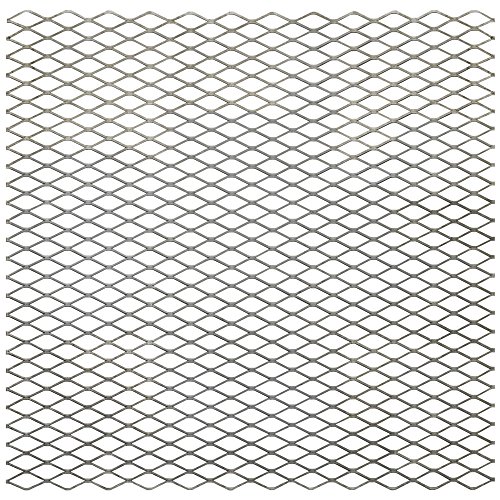
- Size: 24 x 24 inches per piece; 3-pack
- Material: 13 gauge hot-rolled steel
- Usage: Industrial-grade screen protection, guards, venting
- Note: Heavier gauge may require more cutting effort
Best for: Projects that need ready-to-install panels in bulk, with consistent dimensions. Avoid if you require very fine openings or ultra-lightweight material.
Shapiro Metal Supply 24 x 48

- Size: 24 x 48 inches; ~0.130″ thick
- Material: Expanded metal, flattened
- Usage: Heavy-duty fabrication, grill trays, and structural panels
- Note: Larger panels may require careful handling due to weight
Best for: Large-scale builds or replacements where a single, expansive sheet reduces joints and increases sturdiness. Avoid if you need lighter weight or smaller sections for precision work.
Buying Guide
Key considerations when choosing carbon steel expanded metal:
- Gauge and thickness: Heavier gauges (lower numbers) provide more strength but are harder to cut. Lighter gauges offer flexibility for custom shapes.
- Mesh size: Larger openings improve airflow and visibility but reduce support for small items. Smaller openings increase retention and durability but may clog with debris.
- Sheet size: Match panel dimensions to your project to minimize waste and joints. Large sheets save time on big builds, while smaller sheets suit intricate designs.
- Material quality: Carbon steel is strong and cost-effective but can rust if not protected. Consider coatings or finishes for outdoor use.
- Fabrication handling: Sharp edges are a common issue after cutting. Use proper tools and safety equipment when shaping or installing.
- Installation considerations: For grills or guards, ensure the mesh supports the intended weight and airflow needs. Welding or mechanical fasteners are common methods.
Product Comparison Snapshot
- Best for one large, seamless panel: Gisafai 7 Gauge 48 x 24
- Better for modular builds or multiple small panels: Gisafai 9 Gauge 24 x 12 (2 pieces)
- Best value for big projects: Kerty 2PCS 48 x 24
- Best for bulk installations: National Hardware 3-Pack 24 x 24
- Best for heavy-duty fabrication: Shapiro 24 x 48
FAQ
- Q: What is expanded metal used for on grills?
- A: Expanded metal serves as grill grates, protective skins, and airflow-friendly panels that maintain structural integrity while allowing heat and smoke to pass through.
- Q: Is carbon steel prone to rust?
- A: Carbon steel can rust if exposed to moisture over time. Consider coatings or painting for outdoor use or choose stainless options if corrosion resistance is critical.
- Q: How should I cut expanded metal safely?
- A: Use appropriate metal-cutting tools, wear gloves, and handle sharp edges with care to prevent injuries.
- Q: Which gauge should I pick for a DIY grill project?
- A: For grill surfaces, 7–11 gauge provides good strength; lighter gauges are easier to work with for decorative or light-duty panels, while heavier gauges are best for high-load applications.
- Q: Can I weld expanded metal directly to other metal parts?
- A: Welding is common, but ensure proper preparation of edges and consider heat distortion. Some users prefer mechanical fasteners for easier disassembly.