Choosing the right 1 1/2 inch solenoid valve for water systems involves balancing durability, material compatibility, and responsiveness. This guide consolidates the best options in the 1 1/2 inch category and solid 1 inch and 1/2 inch alternatives for comparison. Each valve below is selected for water applications, reliability, and ease of integration in residential, commercial, or industrial setups. Read on to compare features, seal materials, and operating voltages to identify the right fit for your system.
| Product | Brand | Size | Seal/Material | Voltage |
|---|---|---|---|---|
| U.S. Solid 1 1/2″ Solenoid Valve | U.S. Solid | 1 1/2″ | VITON | 12V DC |
| UNOX 1 1/2″ NPT Solenoid Valve | UNOX | 1 1/2″ | NBR gaskets | 110V AC |
| Baomain 1-1/2 Inch DC 12V Solenoid Valve | Baomain | 1-1/2″ | – | 12V DC |
| ASCO 8210G002-120/60 | Asco | 1/2″ | Nitrile Butylene Sealing | 120/60 Hz |
| U.S. Solid 1 inch Stainless Steel | U.S. Solid | 1″ | VITON | 110VAC |
Note: The table highlights a mix of true 1 1/2 inch models and logically comparable sizes to help you compare sealing materials, actuation speed, and intended media compatibility at a glance.
U.S. Solid 1 1/2″ Solenoid Valve

The U.S. Solid 1 1/2″ solenoid valve is designed for robust water control with a 12V DC coil and a normally closed (NC) configuration. It uses a VITON seal, noted for resistance to high temperatures, chemicals, gasoline, diesel, oils, and lubricants, which supports multipurpose water, fuel, and lubrication line applications. The valve is specified to actuate in under a second, enabling rapid shutoff or flow re-direction. A lifecycle claim of over one million cycles suggests long-term reliability when operated within recommended conditions.
UNOX 1 1/2″ NPT Solenoid Valve
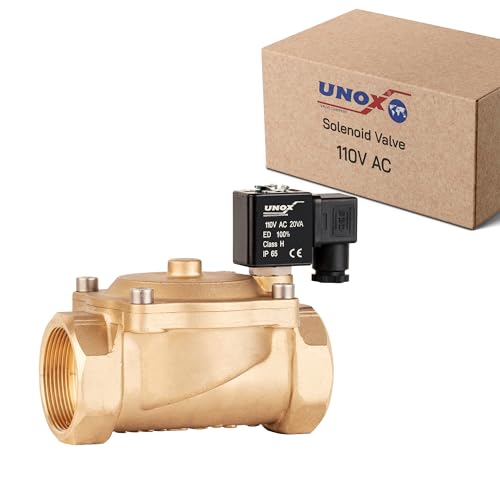
UNOX offers a 1 1/2″ NPT brass control valve with 110V AC operation and a normally closed stance. This model is positioned for versatile applications in water, air, and gas control. Its 0.5–16 Bars pressure range supports several residential and light commercial setups. While brass provides strength and corrosion resistance, note that it may not be suitable for potable water depending on local codes and safety standards. The unit incorporates NBR gaskets for sealing, which balances cost and reliability though it may require regular inspection in aggressive media environments.
Baomain 1-1/2 Inch DC 12V Solenoid Valve
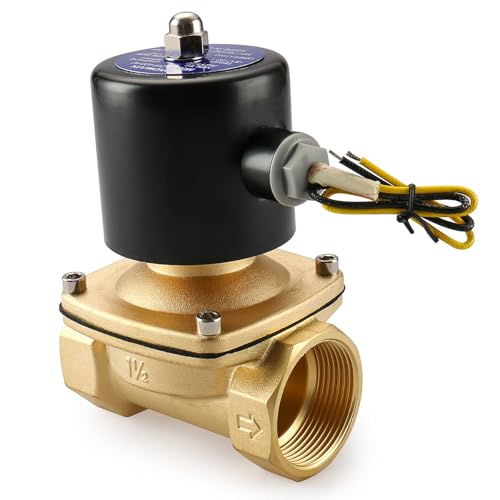
Baomain’s 1-1/2 inch solenoid valve is a direct-acting, normally closed valve designed for water and air lines. It operates on 12V DC and features 1-1/2 inch female threads. While the product spec is concise, it emphasizes straightforward integration for residential or small commercial systems where a compact, reliable 12V valve is desirable. As with similar brass-bodied valves, ensure compatibility with your water supply, temperature, and chemical exposure to maximize lifespan.
U.S. Solid 1 Inch Stainless Steel Valve

This stainless steel valve from U.S. Solid is designed for industrial-grade resilience under higher pressures and temperatures. It accommodates a broad media range, including potable water and fuels, and features a VITON seal for robust chemical resistance. The valve opens and closes rapidly (under 1 second) when energized. Lifespan estimates exceed one million cycles under proper operating conditions, making it a strong contender where durability and long service life are priorities.
ASCO 8210G002-120/60 Solenoid Valve

ASCO’s 8210G002-120/60 provides a compact, general-service, normally closed brass body valve with nitrile sealing for a range of liquids and inert gases. Its 1/2″ pipe size makes it a common choice for smaller water lines or pilot controls in larger systems. While not a true 1 1/2″ valve, it is a strong reference point for comparison in terms of flow characteristics, leakage control, and service life in mixed-media environments.
Buying Guide: Key Purchase Considerations for Water Solenoid Valves
- Valve size and port connections: Confirm the actual pipe size and thread standards (NPT, BSP) to ensure a compatible fit with your plumbing or hydraulic fittings. For water lines, a true 1-1/2″ valve is ideal for large flows, but many systems will work with compatible 1″ or 1/2″ valves if reducers or adapters are used.
- Material compatibility: Brass valves are common for water and non-potable uses, while stainless steel offers higher corrosion resistance and strength in demanding environments. Check the seal material (VITON, NBR) for chemical compatibility and temperature tolerance.
- Voltage and actuation speed: 12V DC valves respond quickly, typically under one second, while AC valves (e.g., 110V) may suit stationary installations or embedded controls. Higher actuation speed reduces dead volume in the line, improving shutoff performance.
- Media compatibility and safety: If potable water is involved, verify that materials meet health and safety regulations for drinking water. Some brass valves are not recommended for drinking water in certain jurisdictions.
- Pressure range and operating environment: Check the operating pressure range (e.g., 0.5–16 Bars) and whether the valve is designed for liquids only or tolerant of gases. Ensure the valve can handle your system’s pressure spikes and temperature.
- Durability and lifecycle: Look for manufacturers’ lifecycle claims (e.g., over one million cycles) and warranty terms. Regular maintenance and correct electrical control reduce wear and prolong life.
- Installation and servicing: Consider ease of installation, availability of replacement seals, and whether the valve can be serviced in place. Electrical wiring compatibility and control logic should align with the system design.
In summary, for water-focused applications, prioritize 1-1/2″ valves with VITON seals or stainless steel construction and fast actuation. When selecting alternatives or smaller sizes, ensure the flow requirements, compatibility with water quality, and system hydraulics match your design goals. Always follow local codes and manufacturer guidelines for safe and compliant installations.