Direct answer: modern transmission line pressure gauges help diagnose engine and transmission issues by measuring oil or hydraulic pressure. This guide compares five reliable options to match common buyer needs—from professional-grade testers to versatile kits for DIY enthusiasts. The selections cover static and on-vehicle testing, wide pressure ranges, and ease of use for engines and transmissions alike. Ideal buyers include shop technicians needing precise pressure readings, DIYers tackling transmission maintenance, and professionals seeking durable kits for frequent use.
Below is a quick summary of the best picks, highlighting who each product is best for and why it stands out.
| Product | Best For | |
|---|---|---|
| OTC 5610 | Pro setups needing both static and on-road testing | Dual gauges 0-400 psi and 0-100 psi |
| VCT Engine & Transmission Kit | Comprehensive coverage with many adapters | 72″ hose, multiple adapters, dual gauges |
| GEARWRENCH 3343D | Domestic and import vehicles, quick checks | All-round automotive compatibility |
| GlowShift 10 Color Digital Kit | Clear digital readouts and visuals | Digital display, 10 color modes |
| ABN 500 PSI Diagnostic Kit | Simple, durable gauge with long hose | Brass fittings, 60″ hose, dual gauge |
OTC 5610 Professional Transmission and Engine Oil Pressure Tester Kit

Best for dual-use testing—transmission and engine oil pressures. The OTC 5610 includes high (0-400 psi / 0-2800 kPa) and low (0-100 psi / 0-700 kPa) gauges, enabling diagnostic work across different systems. The large 3-1/2 inch gauges feature chrome bezels and rugged outer boots, with hooks for easy hanging during testing. This kit suits professional shops and serious DIYers who need on-vehicle and static testing in one package. Caution: gauge visibility can be reduced in bright sunlight; consider a protective shade if used outdoors.
Who it’s best for: Technicians performing mixed transmission and engine oil pressure checks, and shop owners who require reliable, on-road diagnostics with robust mounting options.
VCT Engine & Transmission Oil Pressure Test Kit

The VCT kit emphasizes precision and versatility. It comes with 14 adapters that support various engine and transmission configurations, a long 72-inch hose for access in tight spaces, and two high-accuracy gauges (0-400 psi / 0-2800 kPa and 0-100 psi / 0-700 kPa). It’s designed for both high- and low-pressure testing, with handy hanging hooks for hands-free operation. Best for technicians who need broad compatibility across many vehicle types. Caution: setup may be more involved due to the number of adapters; beginners should study the included connection options first.
Who it’s best for: Professionals and advanced DIYers who value broad compatibility and extended reach for engine and transmission diagnostics.
GEARWRENCH Engine/Automatic Transmission Oil Pressure Check Kit

The GEARWRENCH kit offers broad compatibility with domestic cars, light trucks, and many imports. The product page highlights the kit’s suitability for a wide range of vehicles, making it a practical choice for general automotive work. Best for shops or individuals who frequently work on mixed fleets and want a straightforward analog gauge setup. Caution: the kit’s generic description may require cross-checking fittings for specific vehicles to ensure a proper seal.
Who it’s best for: Mechanic shops and home garages that service a variety of vehicles and want reliable, quick checks without specialized adapters.
GlowShift 10 Color Digital 400 PSI Transmission Gauge Kit
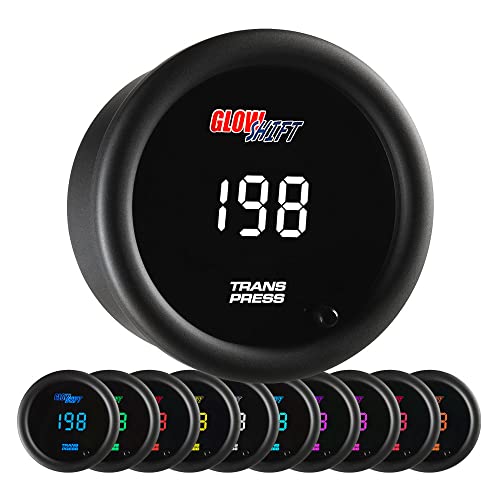
The GlowShift digital kit focuses on clarity and readability. It features a 0-400 PSI transmission gauge with a digital display, tinted lens, and 10 solid color modes plus two color cycle options. The self-calibration at startup helps ensure accurate readings, and the color customization aids quick differentiation in a busy diagnostic environment. Best for techs who value fast, visual data and want to minimize interpretation time. Caution: digital components may be sensitive to harsh environments; use in clean, dry work areas to prevent display issues.
Who it’s best for: Technicians who prioritize quick visual interpretation and want color-coded, easy-to-read digital readings.
GlowShift Digital Dual Transmission Temperature & Pressure Kit
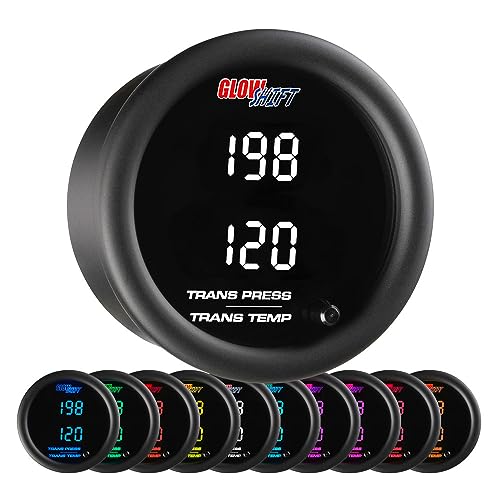
This kit combines pressure and temperature readings for transmission monitoring. It provides a 0-400 PSI pressure range and a 68° to 302° Fahrenheit temperature range across two digital displays with individual color settings. It’s a strong choice for users who need to correlate pressure changes with temperature shifts to assess transmission health. Caution: temperature data can be affected by ambient heat sources; place sensors away from heat sources for the most accurate results.
Who it’s best for: Pros monitoring transmission health where temperature behavior matters, such as during performance tuning or long-duration tests.
Oil Pressure Gauge Tubing Kit by Apopip

The Apopip tube kit provides a copper tubing solution and threaded brass parts, designed to fit oil pressure gauges and related equipment. It’s a practical add-on for ensuring leak-free connections when replacing or upgrading gauge lines. Best for users who need durable, compatible tubing components for custom gauge setups. Caution: ensure tubing length and thread sizes align with your gauge fittings to avoid leaks or fit issues.
Who it’s best for: Installers building or upgrading gauge lines where a robust metal tubing solution is required.
MEASUREMAN 0-100Psi Stainless Steel Fuel/Pressure Gauge

The MEASUREMAN gauge is a stainless steel, glycerin-filled unit designed for fuel pressure testing, with a 0-100 psi range and a 1-1/2″ dial. It offers a robust connection option with a 1/8″ NPT center-back mount and a 6AN take-off fitting. Best for users who need a compact, durable gauge for precise low-pressure readings in fuel systems and related circuits. Caution: as a dedicated low-pressure gauge, it may not cover higher transmission pressure ranges.
Who it’s best for: Professionals focusing on fuel systems or low-pressure diagnostics who require a compact, durable gauge.
Buying Guide: How to Choose the Right Transmission Pressure Gauge
- Pressure range needs: If you expect both high and low readings, select a dual-range gauge (e.g., 0-400 psi and 0-100 psi). For simple checks, a single-range gauge may suffice.
- Connection options: Verify thread types (NPT, BSP, metric) and included adapters. A kit with multiple adapters accommodates a wider variety of engines and transmissions.
- Display type: Digital displays offer quick readings and easy interpretation, while analog gauges are simple and robust in harsh environments. Consider a digital gauge if you need color-coded or multi-parameter readouts.
- Long hoses (e.g., 60–72 inches) help access tight engine bays and transmission mounts without moving the vehicle excessively.
- Look for brass fittings, stainless construction, and protective housings for long-term use in shop conditions or field work.
- Features like hanging hooks, built-in calibrations, and clear scale markings reduce setup time and improve readability during diagnostics.
- If you frequently service both domestic and import vehicles, prioritize kits with broad vehicle compatibility and a wide range of adapters.
Frequently Asked Questions
- What is the purpose of a transmission line pressure gauge? It measures hydraulic or oil pressure in the transmission or engine systems to diagnose wear, blockages, or failure modes.
- Do I need a dual-range gauge? Dual-range gauges (high and low ranges) are useful when testing both engine and transmission pressures, which often differ significantly.
- Can these kits be used on both domestic and import vehicles? Many kits advertised include adapters and hoses designed for a broad range of vehicles; check adapter compatibility for your specific makes.
- Is a digital gauge better than an analog gauge? Digital gauges provide quick, clear readings and often color options; analog gauges are simpler and rugged in certain environments.
- What should I consider about hose length? Longer hoses increase accessibility in tight engine bays but may require careful routing to avoid wear or interference with moving parts.
- Are there safety precautions when using these testers? Always follow manufacturer instructions, depressurize the system before disconnecting fittings, and wear eye protection to guard against leaks or spurts during testing.