If you’re upgrading a 3D printer, CNC machine, or small robotics system, choosing the right toothed pulleys and belts is essential for accurate, smooth motion. This guide highlights five well-suited products, explains who each is best for, and flags potential caveats. Use these selections to balance precision, durability, and cost across common applications like hobbyist automation, school labs, and small-batch manufacturing.
| Product | Brand | Key Benefit | Best For |
|---|---|---|---|
| WINSINN GT2 Idler Pulley – 20 Teeth | WINSINN | Aluminum, 5mm bore, 20-tooth precision | 3D printers and compact CNCs |
| Zeberoxyz GT2 Synchronous Wheel – 20 & 60 Teeth | Zeberoxyz | Dual tooth counts for versatile gearing | Varied gear ratios in one kit |
| QCCAN 21Pcs GT2 Timing Belt Pulley Kit | QCCAN | Wide belt and pulley assortment for many builds | Comprehensive starter set |
| 3Dman GT2 Pulley – 20 Teeth | 3Dman | Lightweight aluminum, easy installation | 3D printer upgrades |
| Aegena Sprinter Toothed Belt | Aegena | Low-noise operation for cabin comfort | Automotive belt replacement where noise matters |
WINSINN GT2 Idler Pulley – 20 Teeth, 5mm Bore

Best for: Small-format 3D printers and compact CNCs that need precise belt guidance without extra tension.
- Durable aluminum with surface oxidation for rust resistance.
- 20 teeth enable reliable power transmission.
- 5 mm bore fits standard shafts, reducing slippage in tight spaces.
Why this was selected: The combination of corrosion-resistant aluminum, a precise 20-tooth design, and a 5 mm bore makes it a dependable upgrade for hobbyist machinery requiring stable belt tracking. Caution: Check shaft diameter compatibility; the bore is fixed at 5 mm and may require adapters for non-standard shafts.
Zeberoxyz GT2 Synchronous Wheel – 20&60 Teeth
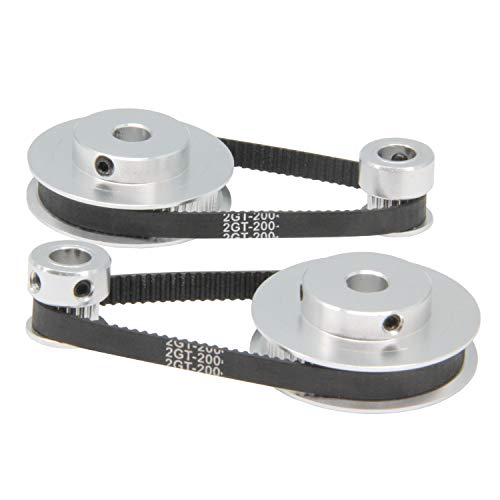
Best for: Projects requiring different gear ratios, such as printers or small automation rigs with multiple speed settings.
- Aluminum alloy with surface oxidation for durability.
- Includes 20-tooth and 60-tooth options for flexible gearing.
- High transmission accuracy with minimal slip.
Why this was selected: The dual-teeth set expands options for tuning motion profiles without sourcing separate pulleys. Limit: Ensure the belt width matches the pulley tooth profile in your build.
QCCAN 21Pcs GT2 Timing Belt Pulley Kit

Best for: Beginners and educators needing a ready-to-build GT2 system with multiple belt lengths.
- Includes eight belt lengths, eight 20-tooth pulleys, four torsion springs, and an Allen wrench.
- Premium rubber timing belt with high positioning accuracy and smooth tooth engagement.
- Aluminum with oxidation-treated surface for durability and accuracy.
Why this was selected: This all-in-one kit supports quick prototyping and learning, reducing the need for extra parts. Limitation: The assortment may include belts of varying stiffness; verify compatibility with your drive system before assembly.
3Dman GT2 Pulley – 20 Teeth

Best for: Upgrades to GT2-driven 6 mm wide belts in 3D printers and compact DIY machines.
- Aluminum alloy for a strong, lightweight component.
- 20 teeth with a 5 mm bore for easy mounting.
- Designed for straightforward installation with included mounting hardware.
Why this was selected: Reliable aluminum construction and easy fit make it a solid upgrade path for improving belt alignment and drive stability. Limitation: Confirm belt width compatibility (GT2, 6 mm) before purchase.
Aegena Sprinter Toothed Belt
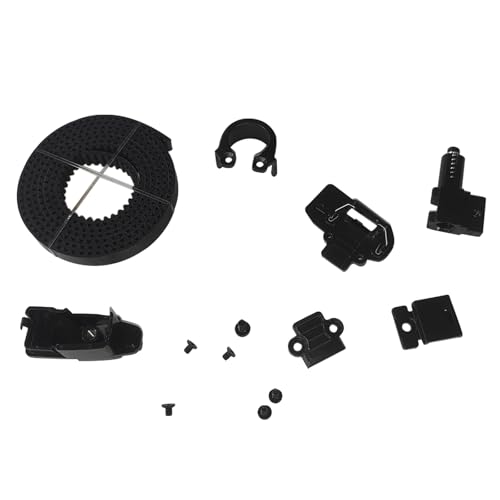
Best for: Vehicle or industrial setups needing quieter toothed belts for Mercedes Sprinter solutions.
- Specifically for Sprinter models with OE number A0009930697.
- Toothed belts help reduce operating noise, improving cockpit comfort.
- Verify compatibility with your model year and belt routing.
Why this was selected: The belt’s noise-reduction trait benefits environments where cabin comfort matters. Limitation: It is vehicle-specific; not a universal fit for all toothed-belt systems.
Buying Guide: Key Considerations For Toothed Pulleys And Belts
- Ensure the belt width matches the pulley teeth. Mismatches cause slipping or premature wear.
- Confirm bore diameter aligns with your motor or shaft. Use adapters if necessary.
- Aluminum pulleys offer light weight and rigidity; steel or higher-grade composites suit harsh environments.
- More teeth generally increase resolution but may require longer belts or different spacing.
- toothed belts typically reduce slippage and noise versus smooth belts; consider your application’s tolerance for vibration.
- Starter kits provide versatility for multiple builds; single pulleys are ideal for targeted upgrades.
FAQ
- What is a GT2 pulley? A GT2 pulley uses a 2 mm pitch timing belt profile commonly used in small CNCs and printers for precise motion.
- Can I mix pulleys from different brands? Mixing can work if the belt pitch, width, and bore sizes match; verify compatibility to avoid mismatches.
- What indicates a good belt-pulley fit? Smooth engagement with minimal backlash, no slipping during acceleration, and consistent speed during operation.
- Is aluminum pulleys’ durability sufficient for heavy use? For light to moderate loads and hobbyist setups, aluminum offers a strong balance of weight and stiffness; extreme industrial use may demand higher-grade materials.
- Do these products work with GT2 belts of different widths? Check the belt width and tooth form; GT2 refers to a 2 mm pitch, but width matters for compatibility.
- How do I choose gear ratios? Consider the desired speed and torque for your machine; higher teeth count on the driven pulley increases torque and reduces speed.