For Skid Steer loaders, solid tires offer puncture resistance, load stability, and lower maintenance in demanding environments. This guide highlights five high‑quality solid tires designed to handle heavy workloads, varied terrain, and long service life. Each product is evaluated on tread design, load capacity, compatibility with common skid steer models, and overall build quality to help you choose confidently.
| Product | Tire Size | Ply Rating / Load | Key Benefit |
|---|---|---|---|
| HORSESHOE (4-Pack) 10-16.5 14PLY | 10-16.5 | 14 PLY, G Load | Deep tread resists gouging; fits most skid steers |
| HORSESHOE (4-Pack) 12-16.5 14 PLY | 12-16.5 | 14 PLY, G Load | Higher diameter for larger machines; strong performance |
| HORSESHOE 2-Pks 10-16.5 16PLY | 10-16.5 | 16 PLY, LRH | Extra heavy duty wall; rugged on-site reliability |
| HORSESHOE 2 10-16.5 14Ply | 10-16.5 | 14 PLY, G Load | Solid build with Rim-Guard-Wall protection |
| Set of 4-12-16.5 Forerunner SKS-1 | 12-16.5 | 14 PLY | Rim‑mounted tires; compatibility with multiple brands |
These selections reflect a focus on solid tires designed to minimize downtime, maximize traction, and endure harsh job-site conditions. When evaluating options, consider your machine’s weight, operating environment, maintenance preferences, and whether you need wheels included with the tire package.
HORSESHOE 10-16.5 14PLY Solid Skid Steer Tires
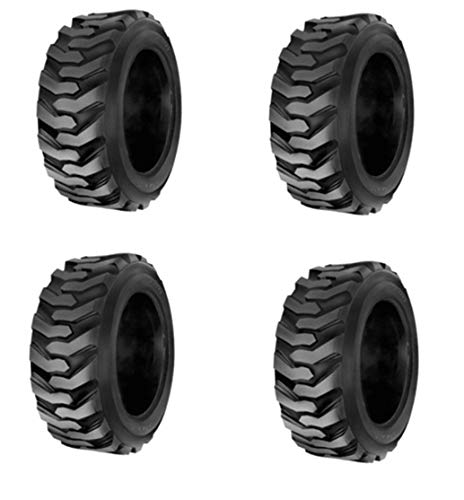
These 10‑16.5 tires use a 14 ply rating and G load capacity to support heavy lift applications. The deep tread is engineered to resist gouging and cutting, helping maintain traction on gravel, dirt, and uneven surfaces. The Tubeless design reduces maintenance complexity, while the rim-guard-wall adds sidewall protection to help prevent punctures during edge work. They are advertised as brand new, not retreads, and are compatible with a wide range of skid steer models, including Bobcat, Case, Caterpillar, Doosan, John Deere, and more.
Key specifications include an inflated tire diameter of about 30.43 inches and a tread depth of 24/32 inches. This combination provides stable contact with the ground and improved floatation on soft soils. The wheel rim size is 16.5 inches, with a standard width of 8.25 inches, which aligns with common skid steer rim configurations. Operators should ensure their axle and hub dimensions match for proper mounting and balance.
HORSESHOE 12-16.5 14 PLY Tubeless Skid Steer Tires
This four-pack of 12‑16.5 tires emphasizes 14 ply construction with a G load rating, delivering high load capacity for larger skid steer units. The product page notes brand-new manufacturing as opposed to retreads, which can translate to longer service life under demanding tasks. The size targets wider machines, supporting heavy lifts and aggressive tracking in industrial settings. The tires fit many major brands and models, making them a practical option for fleets with mixed equipment.
Specifications show an inflated diameter around 32.5 inches and a 12.3 inch section width, with a 24/32 inch tread depth. The rims are 16.5 inches in diameter with a standard width of 9.75 inches. The combination of a robust 14‑ply structure and a broad tread pattern aims to minimize downtime due to flats and improve stability during side-loading operations common on construction sites.
HORSESHOE 2-Packs 10-16.5 16PR Skid Steer Tires On Wheels

This duo presents 10-16.5 tires with a 16 ply rating, offering LRH heavy-duty performance. Mounted on orange wheels, these packages are ready to install on track-ready skid steers. The specification highlights a 16‑ply build and a maximum load around 5570 pounds at high air pressure, indicating strong on-site durability for heavy materials handling. The rim size is 16.5 inches, with an 8.25 inch rim width and a 4 inch offset in the wheel assembly, designed to fit typical eight-lug patterns found on several popular models.
With a diameter around 30.67 inches and a 9.81 inch section width, the tire footprint provides solid ground contact for stability in varied terrains. The tread depth is listed at 23/32 inches, supporting self-cleaning performance in debris-prone environments. The combination of heavy wall construction and wheel mounting helps reduce puncture risk and maintenance time in busy workdays.
HORSESHOE 23×8.5-12 10Ply Solid Skid Steer Tires

This pair of 23×8.5-12 tires emphasizes a 10‑ply E load rating for superior durability and puncture resistance. The larger diameter and narrower width are suited to platforms that require higher flotation on soft ground, while maintaining strong sidewall protection with the Rim-Guard Wall design. The tires are described as brand-new rather than retreads and are compatible with a broad range of skid steer brands and models, making them a flexible option for mixed fleets.
Specifications show an inflated size around 22.60 inches in diameter with an 8.39 inch section width and a tread depth of 17/32 inch at the center. The tire uses a 12 inch rim and a 7 inch rim width, which aligns with many common skid steer rim configurations. The assembly focuses on reliable performance in demanding applications where larger tread blocks aid grip on rocky or uneven surfaces.
Forerunner SKS-1 12X16.5 14PLY On Wheels

This Set of 4 includes 12-16.5 tires mounted on 8-lug wheels, designed for quick installation on many Bobcat, Case, and other major brands. With a 14 ply rating, these tires promise solid load carrying capacity and resistance to wear. The SKS-1 designation indicates a tread pattern engineered for self-cleaning performance, aiding traction in snow and loose materials. The product notes emphasize compatibility with multiple Case XT series and other manufacturers, expanding applicability for mixed fleets.
The tires carry an inflated diameter of about 30.43 inches and a 10.39 inch section width, with a tread depth of 24/32 inch. The wheel rim is 16.5 inches in diameter and 8.25 inches in width, designed to fit common eight-lug hubs. The combination of high ply count and routed wheel design aims to deliver consistent traction and stability across workloads such as earthmoving, trenching, and material handling in rugged environments.
Buying Guide: Key Purchase Considerations For Solid Skid Steer Tires
When selecting solid tires for a skid steer, buyers should weigh several factors to ensure optimal performance and long service life:
- Load capacity and ply rating: Higher ply counts generally indicate greater resistance to punctures and sidewall damage, but they also affect ride quality and weight handling. Match the tire’s load rating to the machine’s weight and duty cycle.
- Tread design and terrain: Deep, aggressive treads improve traction on loose soils and rocky surfaces, while flatter profiles can enhance stability on firm ground. Consider job-site conditions, such as debris, mud, or snow, when choosing tread patterns.
- Rim compatibility: Solid tires often require compatible rims or wheel assemblies. Check bolt pattern, offset, and diameter to ensure a proper fit with your skid steer model.
- Mobile vs mounted options: Some listings include wheels with tires mounted (on rims), which reduces installation time but requires transport and storage considerations. If you already own rims, buy tires only to fit.
- Durability features: Rim-Guard-Wall or other reinforced sidewalls protect against punctures and cuts. Such features are valuable in environments with frequent contact with obstacles or curbs.
- Brand and warranty: Reputable brands with documented warranties tend to offer better reliability and service support. Consider supplier reviews and return policies when evaluating options.
- Maintenance and downtime: Solid tires eliminate regular air pressure checks and flat repairs, but their repairability and potential impact on ride comfort should be weighed against pneumatic tires for certain applications.
Comparison of the five selections shows a balance between aggressive tread profiles for demanding sites and compact tires suited for smaller skid steers. Fleet managers should consider a mix of sizes to cover different machine capabilities, while individuals can tailor picks to the specific models they operate most often. Evaluating total cost of ownership—including replacements, downtime, and ease of installation—helps identify the most economical choice over time.