Find durable, easy-to-install rubber gym flooring rolls that protect floors and support heavy workouts. This guide targets buyers creating or upgrading a home gym, garage gym, or training space. The top picks below emphasize moisture resistance, easy maintenance, and secure grip on various surfaces. Suitable for cardio, weightlifting, and high-impact routines, these rolls cater to solo users, families, and small studios alike.
| Product | |||
|---|---|---|---|
| GymCope Large Exercise Mat | 7mm PVC roll mats; multiple sizes | Budget-friendly home gyms; versatile use | Combination options; shoe-friendly |
| Flooring Inc 1/4″ Rubber Roll (Black) | 4’x10’ rolls; recycled rubber | Garage gyms and multi-use spaces | Made in the USA; durable and moisture-resistant |
| Flooring Inc 1/4″ Rubber Roll (Gray) | 4’x10’ rolls; recycled rubber | Neutral-toned fitness areas | Same build as black version; color option |
| Rubber-Cal Elephant Bark Flooring | 3/16″ thick; 4×8 ft panels | Outdoor patios or multi-use spaces | UV and water resistant; easy DIY |
| AIRHOP Interlocking Mats | 0.56″ thick; 24″ tiles | Home gyms needing modular setup | Rubber top with EVA foam base; easy assembly |
Below is a closer look at five selections that balance durability, ease of installation, and value for different home gym layouts. Each section clarifies who benefits most, why the product was selected, and any practical limitation to consider.
GymCope Large Exercise Mat For Home Gym

Best For: Home gym users needing a versatile, budget-friendly mat that works for cardio, weights, and flexibility work. The mat comes in multiple sizes, enabling you to tailor coverage to room dimensions or create a larger workout area by pairing mats. The 7mm thickness provides joint protection and a cushioned surface for floor-based moves.
Why Selected: It combines a high-density PVC surface with double-sided anti-slip features for stable grips. The range of sizes helps create a seamless workout area, and the shoes-friendly surface makes it practical for varied routines without needing separate flooring choices.
Limitations: While durable, the product is a PVC composition rather than full rubber, which may be less resilient to long-term heavy impact compared with thicker rubber rolls. Not ideal for extreme commercial gym use.
Flooring Inc 1/4″ Rubber Roll Black

Best For: Garages, home workout rooms, or sheds requiring a rugged, moisture-resistant surface that withstands weightlifting and equipment use. The black 4’x10’ roll is a practical base layer for larger spaces with heavier gear.
Why Selected: Made in the USA with recycled rubber, these mats are designed to endure high-traffic environments and heavy equipment. They provide strong moisture resistance and a solid grip on various floor types, reducing wear on underlying surfaces.
Caution: The rolled rubber surface can be heavy to install and unroll in tight corners; consider helper assistance or cutting with proper tools when fitting around obstacles.
Flooring Inc 1/4″ Rubber Roll Gray

Best For: Spaces where a lighter gray tone fits into the décor while delivering durable protection. This option pairs well with lighter-weight equipment or settings requiring a neutral aesthetic.
Why Selected: Similar construction to the black version, with color choice that can help maintain a cohesive look in a dedicated fitness area. Provides strong impact resistance and reliable grip for a variety of workouts.
Limitation: Color availability may affect matching with existing mats or wall colors, so verify color consistency across products before purchase.
Rubber-Cal Elephant Bark Flooring
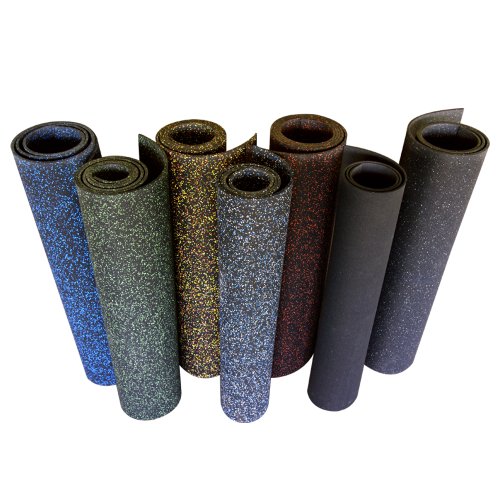
Best For: Outdoor-oriented spaces or multi-use rooms where you want a tougher, DIY-friendly floor that handles moisture and foot traffic well. The 3/16″ thickness provides a balance of cushioning and protection.
Why Selected: It’s designed for UV and water resistance, making it suitable for patios or balcony workouts where exposure to the elements is a consideration. Easy DIY installation adds flexibility for seasonal or temporary setups.
Limitation: Not as thick as some indoor study mats; best for moderate-impact workouts or mixed-use areas rather than heavy dropping or high-load weightlifting.
AIRHOP Interlocking Puzzle Mats

Best For: Home gym owners who want a modular, easy-to-assemble flooring solution with a dual-layer design for added protection and comfort. Suitable for workouts that involve jumping or impact on a smaller budget.
Why Selected: The 0.56-inch interlocking tiles combine a rubber top with EVA foam beneath for strong impact absorption and a non-slip surface. This setup simplifies setup and removal for temporary spaces or frequent reconfiguration.
Limitation: Interlocking tiles can shift if not properly locked; ensure connectors are fully engaged to maintain a flat, stable surface during workouts.
Buying Guide: Rubber Gym Flooring Rolls And Options
What should you look for when selecting rubber gym flooring rolls?
- Thickness and cushioning: Thicker rolls (around 1/4 inch or more) provide better joint protection for high-impact workouts but may be heavier to install.
- Surface texture: A non-slip surface is essential for safety, especially in rooms with moisture or sweat. Textured surfaces reduce slipping risks.
- Durability and material: Recycled rubber rolls are common and durable for weightlifting and heavy equipment. PVC and EVA layers may offer more cost-effective comfort but differ in longevity.
- Size and layout: Measure your space and consider rolls that can be joined or cut to fit irregular rooms. Interlocking tiles offer modular flexibility for small areas.
- Installation and maintenance: Look for rolls that are easy to clean and resist moisture. DIY installation is feasible for many options, while some may require professional cutting or sealing near walls.
- Intended use: If you expect frequent high-impact moves or heavy equipment, prioritize thicker, denser mats designed for heavy loads. For light to moderate home workouts, standard thickness mats may suffice.
Frequently Asked Questions
- Are rubber gym flooring rolls better than mats for home gyms?
Rubber rolls generally provide continuous, seamless coverage with fewer seams, which can reduce edge lifting and provide a more stable base for large equipment. Mats, especially interlocking tiles, offer modularity and easier future rearrangement.
- Can rubber flooring be used on all basement surfaces?
Most rubber flooring adheres well to concrete and finished subfloors. Some setups may benefit from a moisture barrier or underlayment to prevent dampness or odor transfer.
- How thick should gym flooring be for heavy lifting?
For heavy lifting and dropping weights, 1/4 inch or thicker rubber rolls or dense interlocking tiles are recommended to protect floors and joints.
- Do rubber flooring rolls require sealing or adhesives?
Many rolls are designed to lay without adhesive for DIY installations, using edge strips or weights to hold them in place. Some commercial or outdoor setups may use adhesive or seam tape.
- Is interlocking better than solid rolls for home gyms?
Interlocking tiles offer modularity and easier replacement of damaged sections. Solid rolls provide seamless coverage, which can reduce edge wear in tight spaces.
- What maintenance do rubber gym floors need?
Wipe down after workouts with mild cleaners, avoid harsh solvents, and allow drying to prevent mold or slippery residues on the surface.