Choosing the right motor pulley and related components is essential for optimizing torque, speed, and energy efficiency across electric vehicles, DIY projects, and industrial setups. This article highlights five strong options that pair well with common DC motors and belt-driven systems. Each product features durable construction, belt-pulley compatibility, and reliable performance to help you deploy power effectively in scooters, bikes, small machinery, and more.
| Product | Brand | Key Benefit |
|---|---|---|
| 12V 250W Gear Reduction Electric Motor | AHULIN | High torque with belt pulley for versatile gear reduction |
| Saelno AK46-5/8 V Belt Pulley | Saelno | Precise pulley with 5/8″ bore for robust belt drive |
| Jiabailie Gear Reduction Electric Motor | Jiabailie | Durable gear-reduced motor with efficient belt pulley design |
| EUDAX Mini Electric Motors (6 Set) | EUDAX | Multi-volt, compact options for educational and hobby projects |
| 24V 250W Gear Reduction Electric Motor | AHULIN | Similar high-torque, belt-driven performance at 24V |
Below you’ll find detailed product sections with essential features, practical considerations for pulley compatibility, and guidance to help you compare options for your application.
12V 250W Gear Reduction Electric Motor
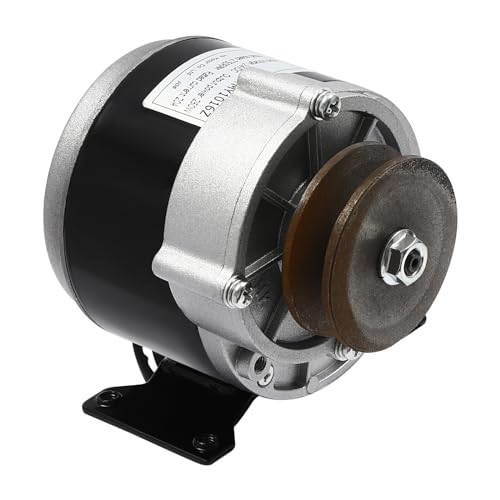
AHULIN’s 12V motor offers a robust gear-reduction setup designed to maximize torque while maintaining compact form. The included belt pulley design leverages friction transmission to transfer power efficiently from high-speed operation to downstream equipment. With a rating up to 250W and 2750rpm, this motor aims to balance performance with energy efficiency, making it suitable for scooters, e-bikes, and light electric vehicles. The construction emphasizes rust, abrasion, and oxidation resistance, helping ensure a long service life in variable environments. This option is a practical pick when you need dependable torque at lower speeds.
Key considerations for this motor/pulley pairing:
– Pulley compatibility: Ensure the belt pulley matches your drive belt’s width and the motor shaft size.
– Torque needs: Gear reduction increases torque; match your downstream load to avoid stall.
– Electrical supply: Confirm your controller and battery voltage align with the 12V motor rating.
Saelno AK46-5/8 V Belt Pulley

Saelno’s AK46-5/8 belt pulley is designed for V-belt drives with a 5/8″ bore, offering a precise 4.45″ outside diameter and a single groove. It is compatible with standard keyways and V-belt sections (A, AX, 3L, 4L), making it a versatile option for converting motor output into smooth, reliable motion across a range of gear systems. The rugged cast-iron construction helps withstand continuous operation under load, while the bore and keyseat specifications simplify installation with common shafts.
Practical notes for using this pulley:
– Match belt type to your system’s V-belt class to ensure proper engagement and wear.
– Check shaft diameter and keyway fit; misalignment can reduce efficiency and shorten belt life.
– Consider the overall drive ratio when selecting a pulley to achieve desired speed and torque in your project.
EUDAX 6 Set Rectangular Mini DC Motors

EUDAX provides a six-pack of small DC motors with integrated gears and accessory components designed for educational and DIY projects. With a rated speed up to 24,000 RPM for the higher-speed variants and a broad voltage range (DC 3V to 12V), these motors are ideal for experiments, wind-up toys, or small demonstration systems that use belt and pulley transmissions. The kit includes gears, a shaft, and a propeller assembly to illustrate how pulley-driven gear trains translate rotational speed into usable motion for light loads. Use these for hands-on learning or prototyping where compact motors are preferred.
Consider these implementation aspects:
– Pulley selection: Use lightweight belts and small pulley diameters to maintain manageable torque while achieving higher speeds.
– Gear compatibility: The included gears are designed for basic demonstrations; ensure they are suitable for your intended load.
– Thermal management: Higher RPM motors may heat quickly; include ventilation or duty-cycle planning to avoid overheating.
HPUY 8066184 Dryer Motor Pulley 29
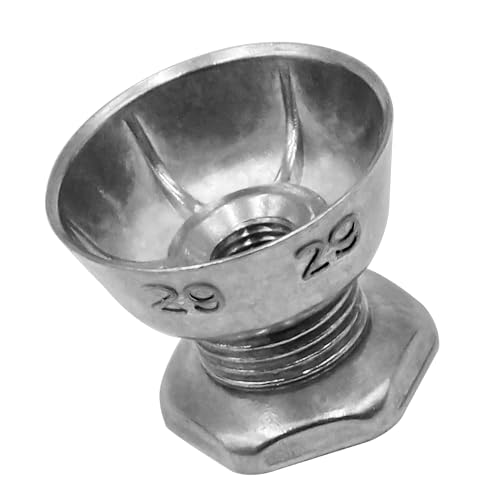
HPUY’s dryer motor pulley is designed for compatibility with Whirlpool, Maytag, and Kenmore dryer motors that use a 29-bolt-style configuration. This pulley is positioned as a durable replacement option with upgraded materials and corrosion resistance, intended to extend service life in home appliance applications. It can be swapped into an existing pulley housing when dimensions align, helping restore or improve belt-driven drum operation. Always verify model numbers and pulley dimensions before purchasing to ensure proper fit and performance in a dryer drive system.
Important fit checks:
– Model compatibility: Confirm your dryer model’s motor and pulley requirements (brand-specific versions exist).
– Shaft and belt matching: Verify shaft size, pulley bore, and belt type to prevent misalignment.
– Clearance: Ensure there is enough space for belt travel and belt tensioners if used with a belt-driven drive.
AHULIN 24V 250W Gear Reduction Motor
This 24V variant from AHULIN mirrors the 12V model’s emphasis on torque and efficiency, with gear reduction to optimize downstream torque for heavier loads. The belt pulley design enables efficient power transfer through friction transmission, and the motor shares the same durable construction that resists rust, abrasion, and oxidation. Suitable for higher voltage configurations in scooters, e-bikes, and small electric vehicles or equipment, this motor provides an alternative when 24V systems are already deployed in the project’s power architecture.
Key selection tips for 24V systems:
– Voltage compatibility: Ensure your controller and battery set supports 24V operation without exceeding current limits.
– Amperage management: Higher voltage can translate to different current requirements; plan for thermal and electrical protection accordingly.
– Pulley sizing: Recalculate the drive ratio when upgrading voltage to maintain appropriate speed and torque targets for your load.
Buying Guide: Pulleys, Motors, And How To Choose
When selecting pulleys and related motor components, consider these core factors to ensure reliable performance and efficient power transmission:
– Load and torque requirements: Higher torque demands larger or multiple pulley configurations; avoid undersizing pulleys, which can cause belt slip and belt wear.
– Motor compatibility: Verify shaft diameter, bore size, keyways, and mounting patterns to ensure a proper fit with your pulleys.
– Belt type and life: Choose the correct V-belt or timing belt profile for your application, and account for alignment, tension, and wear resistance.
– Speed vs. torque balance: Gear reduction increases torque at the expense of speed; compute the desired output speed to select the right pulley ratio.
– Environmental durability: For outdoor or workshop use, select components with corrosion and abrasion resistance to extend service life.
– Electrical considerations: Confirm voltage compatibility with your drive system, heat management, and controller capabilities to prevent overloading.
– Integration with existing systems: Assess space constraints, mounting hardware, and potential interference with other components in the belt drive train.
– Replacement practicality: Choose widely available pulley types and motors to simplify future maintenance and part replacements.
– Safety and maintenance: Ensure guards and proper tensioning mechanisms are in place, and establish a routine for inspecting belts and pulleys for wear or misalignment.
Across these five options, you can tailor a belt-driven motor setup for light to moderate loads, balancing speed and torque according to project needs. For best results, match pulley diameter, belt type, and motor voltage to your specific application, whether it’s a DIY educational kit, a small electric vehicle, or a compact industrial drive.