Plastic pallet slip sheets help stabilize loads, reduce dust, and protect goods during storage and transit. This guide highlights five durable options suited for different needs—from lightweight top sheets to sturdy anti-slip sheets. Best for: small to medium operations prioritizing dust/moisture protection; larger warehouses needing stronger load stability and perforated sheets for easy dispensing.
The following table summarizes the five top products discussed below. It helps buyers compare size, thickness, and best-use scenarios at a glance.
| Product | Best For | Key Advantage | Approx. Thickness / Size |
|---|---|---|---|
| Clear LDPE Pallet Top Sheet 1Mil (60″ x 60″) – 250 Sheets | Wraps and protects wrapped pallets; dust/moisture guard | Lightweight, recyclable LDPE top sheet | 60″ x 60″, 1 mil |
| Pangda Plastic Pallet Cover Bags 60″ x 60″ 1.5 Mil (150 Bags/Roll) | Outdoor storage and bulk packaging | Perforated roll for quick tearing; good coverage | 60″ x 60″, 1.5 mil |
| Pangda Plastic Pallet Cover Bags 60″ x 60″ 1.5 Mil (250 Bags/Roll) | Large-volume shipments and warehouse use | Higher quantity per roll; strong dust/rain protection | 60″ x 60″, 1.5 mil |
| BOX USA Anti-Slip Pallet Paper 40″ x 48″ | Pallet stabilization for bags or cartons | Anti-slip treatment; recyclable kraft | 40″ x 48″ (approx.) |
| Hudson Exchange 60″ x 60″ 1.5 Mil LDPE Top Sheeting | General pallet protection with easy tearing | Perforated for easy use; prevents damage | 60″ x 60″, 1.5 mil |
Clear LDPE Pallet Top Sheet 1Mil

Best for lightweight protection on wrapped pallets. This sheet is made from recyclable LDPE, providing dust and moisture defense without adding significant bulk. Ideal for small operations or shipments where easy disposal and recycling are priorities. Best for: warehouses prioritizing recyclability and minimal weight.
Selected for its simple, straightforward use and compatibility with standard pallet layouts. Caution: thickness of 1 mil offers basic protection; heavy loads or outdoor exposure may require thicker sheets for extended weather resistance.
Pangda Pallet Cover Bags 60″ x 60″ 1.5 Mil (150 Bags/Roll)
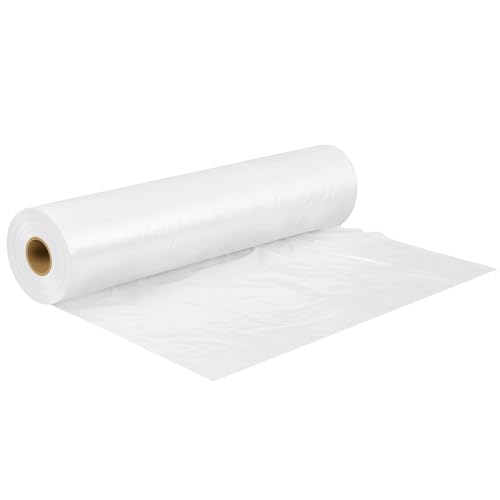
Better for outdoor storage and bulk packaging, these perforated top sheets come in a convenient roll and fit standard pallets. They provide strong coverage against dust and rain while remaining lightweight. Best for: larger operations needing easy tear-off and bulk application. Caution: 1.5 mil thickness may be slightly less flexible than thinner sheets in tight spaces.
Pangda Pallet Cover Bags 60″ x 60″ 1.5 Mil (250 Bags/Roll)

Best for high-volume warehouses, this roll offers ample coverage per roll and robust dust and moisture protection. Suitable for temperature-controlled or outdoor areas where pallets face exposure. Caution: larger rolls may require equipment to manage dispensing in tight aisles.
BOX USA Anti-Slip Pallet Paper

Best for stabilizing loads and preventing movement of bags or cartons on pallets. The anti-slip treatment adds grip, while the 80# kraft material is recyclable. Choose this if you need a stable base for mixed loads. Caution: not a moisture barrier; use with additional protective sheets if rain exposure is a concern.
Hudson Exchange 60″ x 60″ 1.5 Mil Top Sheeting
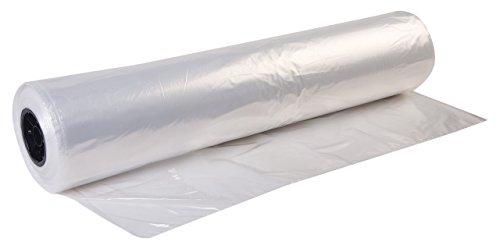
Best for general protection with easy, perforated dispensing. The 1.5 mil LDPE offers a balance between strength and flexibility, suitable for a wide range of loads. Caution: perforations may create some edge fraying on very sharp-edged items; handle with care to maintain sheet integrity.
Buying Guide: How To Choose The Right Slip Sheet
Consider these practical questions to match a product to your operation:
- What level of protection do I need—dust, moisture, or impact resistance?
- Do I prefer perforated sheets for quick dispensing or solid sheets for maximum barrier protection?
- What pallet size and load shape are most common in my warehouse?
- Is recyclability or compostability important for my packaging program?
- Will these sheets be exposed to outdoor elements or temperature extremes?
Material choice matters. LDPE offers a balance of clarity, flexibility, and moisture resistance, while perforated options improve ease of use in busy operations. Thickness from 1 mil to 1.5 mil typically covers basic protection needs; heavier pallets or harsher environments may merit thicker options. For stability, anti-slip layers or treatments can reduce product shifting during shipping. Consider waste management goals when selecting recyclable materials to align with sustainability programs.
Quick Comparison: Key Factors At A Glance
- Protection Type: Dust/moisture vs. slip prevention vs. general shielding
- Thickness: 1 mil vs. 1.5 mil; heavier loads may require more
- Dispensing: Perforated rolls ease tearing vs. flat sheets
- Recyclability: LDPE and kraft options offer recycling options
- Size Fit: Most top sheets are 60″ x 60″ to cover standard pallets
FAQ
- What is a pallet slip sheet?
- When should I choose a perforated top sheet?
- Are these products recyclable?
- Will slip sheets prevent items from shifting?
- What sizes are most common?
- Do I need thicker sheets for outdoor exposure?
A pallet slip sheet is a thin sheet placed on top of or under loads to stabilize, protect, or cover goods during storage and transit. They come in LDPE films or paper and can be perforated for easy use.
Choose perforated sheets when fast dispensing is important and you need to control waste by tearing off only what is needed.
Many LDPE top sheets are recyclable where local facilities accept LDPE film. Kraft paper options are typically recyclable as well. Check local recycling guidelines for specific streams.
Anti-slip variants reduce movement by increasing friction between items and pallet, making them better for loads with bags or cartons that could slide.
The standard size across these products is approximately 60″ by 60″ to fit common pallet footprints, though some options use 40″ x 48″ packaging for stabilizing sheets.
Thicker sheets provide more puncture and tear resistance, but for prolonged outdoor exposure, consider additional weatherproofing or combining with other protective materials.