When selecting paint booth exhaust filters 20×20, the goal is reliable overspray capture, easy installation, and durable media. This guide highlights five top options that fit standard cross-draft and downdraft booths and suit different shop needs. Whether you’re a hobbyist, a professional refinisher, or a shop manager, these filters help maintain cleaner exhausts and better finishes.
The following quick table compares the featured products on key points: size, media weight, and capture focus. Use it to narrow choices before reading detailed sections.
| Product | Media Weight | Best For | Notes |
|---|---|---|---|
| Master Elite Premium Filter Pads | 18-gram fiberglass | Heavy overspray environments | Box of 50; standard 20″ x 20″ |
| AUC Tacky Exhaust Pads | 15-gram fiberglass | Balanced filtration | Green/white dual-layer design |
| Sankair Exhaust Fiberglass Pad | Fiberglass based | Budget-friendly, compliant filtration | 50 per case |
| PRISTAIR 15g Filter | 15-gram fiberglass | High dust-holding capacity | Color-coded for easy orientation |
| LAUCO 18g Filter Pad | 18-gram fiberglass | High overspray capture | Standard 20″ x 20″ |
Master Elite Premium Paint Spray Booth Exhaust Filter Pads

Best for heavy spray environments, these 20″ x 20″ blue fiberglass pads trap overspray with higher weight media. The pad construction aims to maximize paint arrestor efficiency in crossdraft and downdraft booths. The box of 50 provides ample supply for ongoing projects and larger shops. Suitable for professional shops that demand robust filtration and longer service life. A potential limitation is heavier handling due to the 18-gram media, which may require careful installation.
AUC Tacky Exhaust Filter Pads 20×20
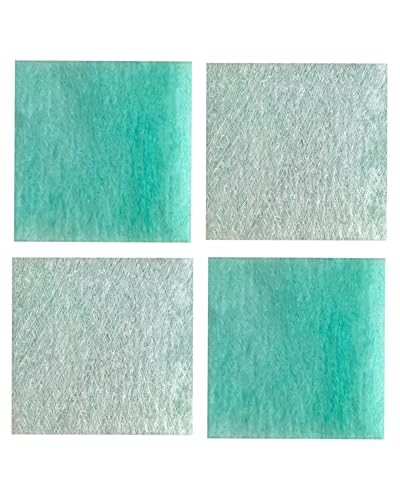
Best for studios needing straightforward installation, these 20″ x 20″ 15-gram fiberglass pads feature a green intake side and white outlet layer. They fit many standard booths and emphasize ease of use, with a design that helps ensure correct orientation. Best for shops aiming for predictable performance and simple replacement cycles. A limitation is that color-coding requires payer attention during setup to maintain efficiency.
AUC Paint Booth Tacky Intake Filter Pad Series 55

This 20″ x 20″ intake filter pad uses a two-ply design with a tackified layer for superior adsorption and extended service life. The 11-gauge internal frame adds rigidity, reducing flutter under airflow. Best for shops needing higher adsorption before the air reaches the booth, improving overall filtration efficiency. A potential drawback is slightly higher initial cost versus basic pads.
Sankair Paint Booth Exhaust Fiberglass Filter Pad

Best for cost-conscious operations, Sankair pads are lightweight and designed for straightforward installation. They use fiberglass media to trap paint particles in exhaust systems while providing clear visual orientation: green facing intake and white side for capture. They meet typical environmental standards for spray booth exhaust filtration. Consider replacing more frequently if your shop produces heavy overspray or frequent color changes.
PRISTAIR Spray Booth Capture Filter 20×20
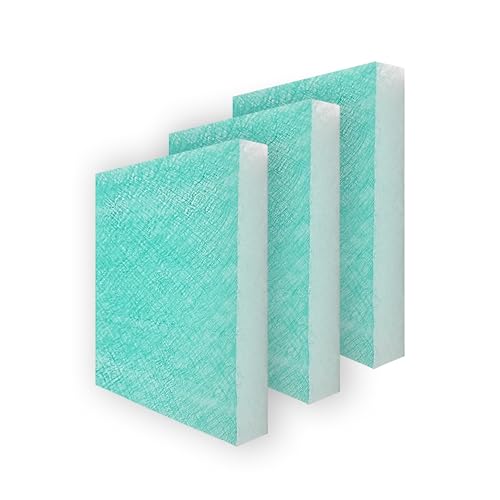
Best for high dust-holding capacity, this 15-gram fiberglass filter captures a large share of paint particulates. The green intake and white capture layers simplify orientation during installation. It is suitable for shops seeking strong filtration with durable media. A limitation is that very fine mist may require additional post-booth filtration in extreme environments.
Buying Guide: Key Purchase Considerations
What size fits my booth? Most crossdraft and downdraft booths use 20″ x 20″ pads; verify your exact dimensions before buying. Look for media weight—higher gram weight generally improves overspray capture but can increase stiffness during installation. Consider color orientation tips (green intake, white capture) to ensure correct installation. If you operate high-volume finishing, prioritize pads with superior adhesion and larger dust-holding capacity to extend service life.
Which design matters most? Tacky intake layers help capture small particles at the source, while intake-capture orientation reduces rear-vent hazards. Green/white color-coding assists installation accuracy. For shops with regulatory considerations, choose pads that clearly meet local environmental standards and maintenance practices.
Maintenance and replacements: Stock a reserve mix to replace used pads regularly. Heavier-weight media (18 g) may demand careful handling during installation but offers greater filtration. Lighter media (15 g) balances filtration with lower resistance, useful for moderate overspray conditions.
FAQ: Quick Answers For Buyers
- What does 20×20 refer to? It describes the filter pad’s length and width, fitting most standard booth configurations. Dimensions must match your booth for proper sealing and airflow.
- Why choose 15g vs 18g media? 15g media provides adequate filtration with easier handling; 18g media traps more overspray but is heavier and stiffer to install.
- Are color-coded filters better? Color coding (green intake, white capture) helps ensure correct orientation, improving performance and reducing installation errors.
- How often should I replace exhaust filters? Replacement frequency depends on usage, overspray level, and booth type. Follow manufacturer guidance and inspect pads visually for saturation.
- Can these fit all booths? They fit many common crossdraft and downdraft systems, but verify booth dimensions and mounting patterns before purchasing.
- Do these pads affect finish quality? Proper filtration minimizes overspray reaching exhaust systems, supporting consistent finish quality and easier cleanup downstream.