When choosing modular belt conveyor systems, look for durability, adjustable speed, and versatility across tasks. This guide highlights five versatile options that suit small workshops, packaging lines, and light-to-medium industrial use. Each product is best for a specific scenario, from compact desktop setups to longer, heavy-duty runs. Below is a quick summary to help compare key points at a glance.
| Product | Best For | Key Advantage |
|---|---|---|
| VEVOR Belt Conveyor, 59 x 7.8″ (Double Guardrail) | General purpose, small parts handling | Stainless steel frame, adjustable speed, bidirectional |
| Moonshan Climbing Belt Conveyor, 39″ | Lift-and-transport tasks on packaging lines | PVC belt with lifting baffles, stepless speed control |
| VEVOR Belt Conveyor, 59 x 15.7″ (Inkjet ready) | Medium-length production/inkjet coding | Longer table area, same adjustable speed and anti-static belt |
| Moonshan Desktop Belt Conveyor, 39″ | Desktop use, small workstations | Reverse switch, stepless speed, compact footprint |
| VEVOR PVC Belt Conveyor, 47″ x 7.8″ | Compact transport, light-to-medium items | Stainless frame, easy integration, adjustable speed |
Each product targets different buyer needs, from compact desktops to longer runs for packaging lines. The following sections offer objective details to help you decide which system best fits your workflow.
VEVOR Belt Conveyor, 59 x 7.8″ — Double Guardrail
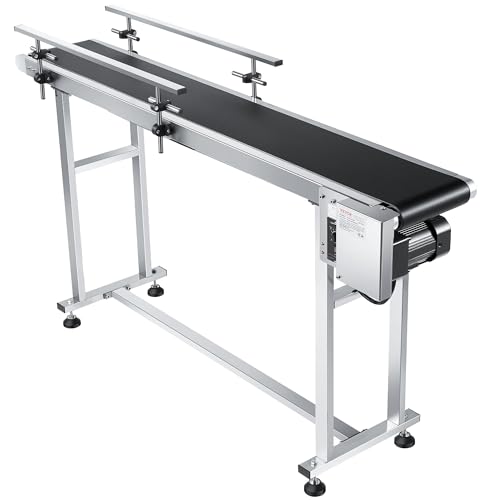
Best for compact, general-use workflows that require a sturdy stainless steel frame. The 59″ x 7.8″ PVC belt provides wear-resistant, anti-static handling for diverse items. A rotating screw enables precise belt tension, and infinitely adjustable feet ensure stable operation on uneven surfaces. Speed ranges from 30 to 120 RPM with bidirectional operation, making it adaptable for assembly lines, sorting stations, or light packaging tasks.
Who it’s best for: small-to-mid-sized facilities needing a reliable, all-purpose conveyor with straightforward speed control and stable mounting. Why selected: its combination of durable stainless steel, anti-static belt, and bidirectional capability covers common material handling needs in a compact footprint.
Caution: belt tension adjustment relies on a rotating screw—ensure proper tool access and cautious adjustments to avoid belt misalignment in tight spaces.
Moonshan Climbing Belt Conveyor, 39″ — Lifting Conveyor
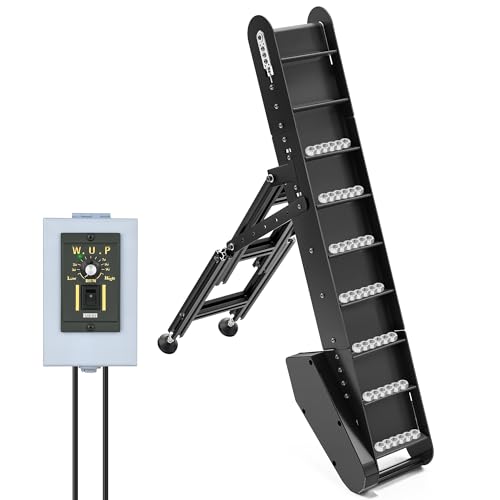
Best for packaging lines that require lifting and moving items up or down along a production flow. The PVC belt includes four-inch spaced baffles to provide climbing and transit capabilities. Speed is steplessly adjustable via the control box, enabling precise tempo control for synchronization with other equipment. The belt is water-resistant and wear-resistant, suitable for damp environments or wash-down scenarios.
Who it’s best for: facilities needing a compact incline/decline transfer with adjustable speed. Why selected: the climbing design and stepless control deliver smooth, controllable transitions for small assemblies or packaging tasks.
Caution: the climb function adds mechanical complexity; verify clearance and mounting on your line to avoid interference with surrounding equipment.
VEVOR Belt Conveyor, 59 x 15.7″ — Longer Table

Better for mid-length tasks such as coding, labeling, or sorting where a longer transfer surface improves throughput. The conveyor uses a durable stainless steel frame and a 0.08″ thick PVC belt with wear and anti-static properties. The rotating screw and height-adjustable feet maintain belt tension and level positioning across different workstations. Speed range mirrors other VEVOR units (30–120 RPM) with bidirectional operation.
Who it’s best for: production lines needing more belt length for smoother downstream processing. Why selected: longer working area reduces bottlenecks and supports faster handling of mid-sized items.
Caution: ensure workspace clearance is sufficient for longer belts; misalignment can occur if mounting is not level.
Moonshan Desktop Belt Conveyor, 39″ — Small Workstation

Best for desk-ready applications where space is limited. The desktop model uses a stepless speed regulation system and features a reverse switch for directional changes during assembly or packaging. The PVC belt is designed to be waterproof and wear-resistant, making it suitable for small-scale production lines or home workshops that require hands-on control and flexibility.
Who it’s best for: hobbyists, small workshops, and assembly tasks at a single workstation. Why selected: compact footprint combined with full speed control and reverse capability supports precise, manual processes.
Caution: limited belt length means handling only smaller items or shorter workflows; plan for throughput accordingly.
VEVOR PVC Belt Conveyor, 47″ x 7.8″

Best for compact transport tasks where a stainless frame is desired but space is limited. The 47″ x 7.8″ belt is wear-resistant and anti-static, with a rotating screw for tensioning and adjustable feet for stable operation. It offers bidirectional operation and a speed range from 30 to 120 RPM, suitable for light manufacturing, sorting, or packaging lines that require reliable, space-saving equipment.
Who it’s best for: facilities needing a mid-length, space-efficient conveyor for light to moderate loads. Why selected: combines durability with a compact footprint and flexible speed control for routine material handling.
Caution: shorter belt length may require more frequent section changes on longer flows; account for transfer gaps in line design.
Buying Guide
What material and finish should I prefer?
Look for industrial-grade stainless steel frames for durability and rust resistance in harsh environments. Anti-static PVC belts reduce static discharge for sensitive items. Steel with protective finish helps longevity in production settings.
How important is belt width and length?
Width affects the size of items you can move; length impacts throughput and line spacing. Choose based on your typical item dimensions and desired transfer speed. Longer belts are better for continuous flows; shorter belts fit tight spaces.
What about speed control?
Stepless speed control allows precise matching to other equipment. A range of 30–120 RPM covers most light- to medium-duty workflows. Bidirectional capability adds flexibility for sorting, turning, or re-orienting items on the line.
Are guardrails or safety features important?
Double guardrails and sturdy bases improve operator safety and reduce spill risk. Ensure guardrails are easy to adjust and that mounting feet are stable on your flooring to prevent wobble.
What should I consider for installation?
Check your workspace clearance, power availability (voltage and outlets), and compatibility with other equipment. If you plan to run multiple units in sequence, ensure consistent belt tensioning and synchronized speeds to prevent jams.
Which one should you buy?
For compact, all-purpose use with robust build and bidirectional control, the 59 x 7.8″ VEVOR model is a solid choice. If you need a longer transfer area for mid-length tasks, consider the 59 x 15.7″ variant. Desktop models are ideal for small workstations and experimentation, while Moonshan’s climbing belt offers special lifting capabilities for vertical transfers.
Frequently Asked Questions
- What is the main difference between these modular systems? The main differences are belt length, presence of guardrails, and whether the unit supports bidirectional operation or stepless speed control.
- Can these conveyors handle heavy or bulky items? Most listed models are designed for light- to medium-duty tasks. For heavier loads, verify maximum load capacity and choose longer, sturdier frames if needed.
- Do these come with any warranties? This article does not specify warranties; check each product listing for warranty terms and service details.
- Is bidirectional operation important? Bidirectional operation is helpful for sorting and reversing item flow without reconfiguring the line.
- What maintenance is required? Regularly check belt tension, clean the belt surface, and inspect guardrails and feet for stability. Replace worn belts promptly to maintain performance.
- Which is best for a small workshop? For tight spaces, Moonshan desktop models or the 47″ VEVOR unit offer compact footprints with essential speed control.