Answering the common buyer question: which log splitter pump and motor combo delivers consistent power and long-term reliability? The top picks below are chosen for different needs—compact DIY projects, heavy-duty yard work, and quick-fire wood processing. Each product is suited to owners building or repairing hydraulic log splitters, with emphasis on flow rate, pressure, and mounting compatibility. The list helps choose by motor power, pump stage, and construction quality. The following table highlights the five selected options and what they’re best for.
| Product | Best For | Why It Stands Out |
|---|---|---|
| Nakkaa 13GPM 2 Stage 3000PSI Hydraulic Log Splitter Pump | Medium-duty DIY or small workshop | High flow (13 GPM), 3000 PSI, aluminum casing for durability |
| Ezbzyz 31-272 Log Splitter Pump Bracket | Replacement mounting for standard splitters | Universal compatibility and rust-resistant shell for long service life |
| VEVOR Hydraulic Log Splitter Pump, 11GPM | Balanced performance for frequent use | 11 GPM, 3000 PSI, aluminum construction with seals |
| Deargooday Log Splitter Build Kit: 13 GPM Pump | DIY splitter builds or repairs | Complete kit with mounting hardware and coupler for easy setup |
| Nakkaa 16GPM 2 Stage 3000PSI Hydraulic Log Splitter Pump | Higher throughput tasks | Higher flow (16 GPM) with same 3000 PSI and robust aluminum casing |
Nakkaa 13GPM 2 Stage 3000PSI Hydraulic Log Splitter Pump

Best for: DIY builders and small workshops needing strong wood-splitting performance. This pump delivers up to 3000 PSI and 13 GPM with a 3600 RPM motor drive. The aluminum housing enhances durability in rugged conditions. Inlet is 1 inch and outlet is 1/2 inch NPT, supporting common hose and cylinder configurations. Limitation: larger units may require compatible engine and mounting hardware to fit a specific splitter frame.
Ezbzyz 31-272 Log Splitter Pump Bracket

Best for: Replacing or upgrading the pump mount on SpeeCo, Splitmaster, Oregon, Husky, and similar 8–35 ton units. The bracket uses sand steel to resist rust and improve pressure stability. It helps secure pumps and prevent movement during operation. Caution: compatibility depends on the exact motor and pump arrangement; verify bolt patterns and center distances before purchasing.
VEVOR Hydraulic Log Splitter Pump, 11GPM

Best for: Regular use where a balance of speed and force is required. The 11 GPM flow supports steady splitting with a 3000 PSI rating. Aluminum alloy construction offers good durability while keeping the weight manageable. Consider this choice if you want a compact, reliable pump that fits a wide range of engines and mounting configurations. Limitation: very high-volume demand may benefit from 13–16 GPM models for faster cycles.
Deargooday Log Splitter Build Kit: 13 GPM Pump
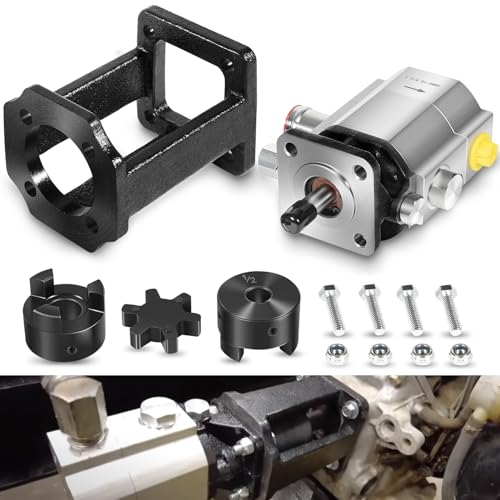
Best for: DIY splitter projects or repairs requiring a ready-to-install pump kit. The kit includes a 13 GPM pump, mount, coupler, and hardware. This option simplifies setup with standard 1 inch inlet and 1/2 inch NPT outlet. Limitation: compatibility depends on engine mounting and bolt pattern; confirm engine horsepower range and shaft dimensions before buying.
Nakkaa 16GPM 2 Stage 3000PSI Hydraulic Log Splitter Pump
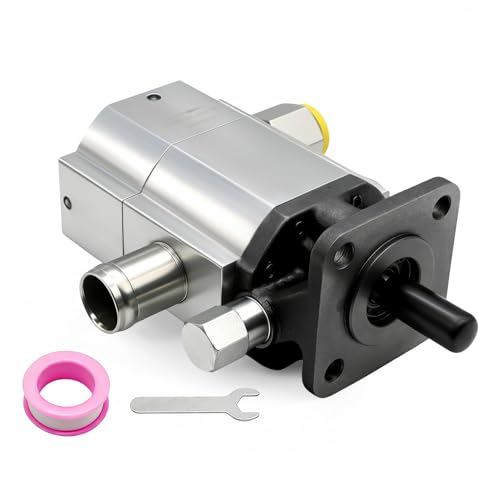
Best for: High-throughput splitting tasks where faster cycles are needed. The 16 GPM flow, combined with 3000 PSI, supports quicker wood processing while maintaining robust aluminum construction for durability. Inlet is 1 inch and outlet is 1/2 inch NPT, matching standard hydraulic lines. Caution: ensure your engine and mounting hardware can support the higher flow without overheating the system.
Buying Guide
- Flow rate vs. cycle speed: Higher GPM provides faster cycles but may demand more powerful drivers and cooling; match to your engine horsepower and hydraulic motor.
- Pressure rating: 3000 PSI is common for residential and light-commercial splitters; choose higher ratings only if your system is designed to handle it.
- Mounting compatibility: Check inlet/outlet sizes (1 inch and 1/2 inch NPT in these options) and bolt patterns to ensure easy installation on your splitter frame.
- Construction and durability: Aluminum housings offer corrosion resistance and lighter weight; steel brackets or shells may be more rugged but heavier.
- Complete kits vs. individual pumps: Kits simplify installation with mounting hardware and couplers, but verify compatibility with your engine and existing pump setup.
- Warranty and support: Review vendor policies on returns and substitutions if dimensions or fittings don’t align with your system.
Frequently Asked Questions
- What does GPM mean for a log splitter pump?
GPM stands for gallons per minute and indicates the pump’s flow rate, which influences how quickly wood is split. - Is a higher PSI always better?
Higher PSI supports tougher wood but requires a compatible system to avoid overloading components. - Are aluminum pumps more durable than steel?
Aluminum is lighter and resists corrosion, while steel parts can offer extra ruggedness; the best choice depends on your environment and usage. - Should I buy a kit or a single pump?
Kits can simplify installation with mounting hardware, but verify engine compatibility and bolt patterns for your model. - What mounting considerations are important?
Ensure bolt circle, shaft size, and inlet/outlet thread types match your splitter’s design to prevent leaks or misalignment. - Can I mix brands of pump and mount?
Mixing brands is possible if dimensions and fittings align; confirm fit before purchase to avoid compatibility issues.