Answering the need for reliable, field-ready cleaning gear, this guide reviews top industrial tank cleaning equipment suited for farms, facilities, and commercial kitchens. Each product is selected for durability, compatibility with common tank sizes, and clear maintenance benefits. The best picks are framed for different buyers: agribusinesses prioritizing crop safety, industrial kitchens needing heavy-duty removal of residues, and facilities seeking quick, safe maintenance cycles. A quick comparison table below summarizes the five highlighted products to help you decide faster.
| Product | Best For | Key Benefit |
|---|---|---|
| Liquid Harvest Blazer Spray Tank Cleaner | Agricultural sprayers and spray tanks | Visual cleaning aid with residue prevention |
| SPARTA Industrial Tank Brush Head | Deep cleaning of tanks, valves, and cookers | Heavy-duty bristles for tough grime |
| Turbo Tank Cleaner | Water heater and large tank deposits | Breaks up hard sediment deposits |
| Valley Industries Sprayer Tank | Medium to large agricultural sprayers | Clear volume markings and complete draining |
| SPARTA Industrial Tank Brush (30 Inches) | Large equipment cleaning in kitchens and plants | Long reach for broad surfaces |
Liquid Harvest Blazer Spray Tank Cleaner

Best for: farm and commercial spray tanks where cross-contamination must be avoided. Blazer is a gallon spray tank cleaner designed to remove chemical solution residues and protect both vegetation and equipment. The pink formula provides visible feedback during cleaning and rinsing, reducing the chance of overlooked residue. It helps prevent corrosion in metal components and supports longer equipment life when used as part of routine maintenance.
Why selected: This cleaner targets common spray systems used on farms, enabling efficient cleaning without excessive downtime. It’s formulated to minimize corrosion and allows operators to verify cleaning progress by color change, helping ensure safer downstream use of tanks and sprayers.
Caution: Ensure thorough rinsing after use to prevent any residual color transfer to subsequent sprays. Not all tanks tolerate every chemical residue, so verify compatibility with your specific crop solutions.
SPARTA Industrial Tank Brush Head

Best for: deep cleaning of commercial cookers, tanks, and valves. This brush head features heavy-duty polyester bristles and a ¾” threaded connection (handle sold separately) for versatile attachment. The foam-injected plastic block enhances durability, making it suitable for frequent, rugged use in industrial settings.
Why selected: The combination of robust bristles and a durable block supports aggressive cleaning tasks typical in commercial kitchens and processing facilities. It is better for stubborn residues and larger surface areas where scrubbing power is essential.
Caution: The brush is designed for standard ¾” handles; ensure your current handle matches before purchasing. Prolonged use may require regular bristle replacement to maintain effectiveness.
Turbo Tank Cleaner

Best for: water heaters and large-capacity tanks needing sediment removal and improved efficiency. Turbo Tank Cleaner claims to extend equipment life, boost hot water supply, and potentially reduce energy use by flushing sediment more effectively than some other methods. It is designed for gas and electric water heater systems (not suitable for tankless models).
Why selected: It targets hard water sediment deposits that can impede performance. The tool-style approach helps users perform a thorough flush that can outperform standard flushing methods when dealing with substantial bottom buildup.
Caution: Not compatible with tankless water heaters. Follow safety guidelines when opening hot-water systems to avoid burns or pressure-related hazards.
53853A Tank Kit Assembly
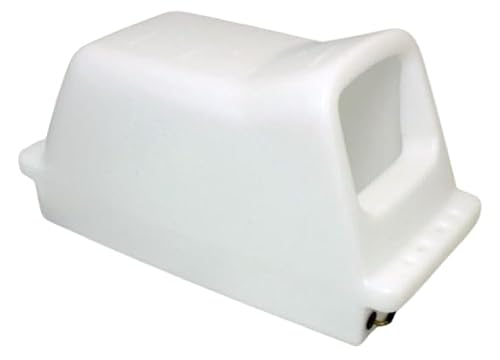
Best for: compatibility with Clarke floor scrubbers and other similar cleaning systems in industrial spaces. This kit covers essential components for reliable tank assembly and maintenance, with emphasis on durable parts and streamlined testing processes.
Why selected: The kit’s emphasis on quality components and testable performance aligns with environments where downtime must be minimized and equipment reliability is critical.
Caution: Confirm compatibility with your existing equipment model to ensure proper fit and operation before purchasing.
Valley Industries Sprayer Tank

Best for: sprayers that require a clear-volume tank with complete draining and secure lid features. This 40-gallon sprayer tank includes raised volume markings to monitor fill levels and a sump at the bottom for complete drainage, plus a 6″ lid with tether to prevent spillage.
Why selected: The combination of translucence for quick level checks and a reliable drain system helps operators manage chemical loads and reduce waste. It’s well-suited for agricultural and landscape spray tasks where visibility and drainage matter.
Caution: For large-scale applications, verify that the tank dimensions fit your existing sprayer frame and mounting hardware.
Viper Cleaning Equipment 56384810 AS5160 Walk-Behind Scrubber

Best for: facilities needing automated cleaning for large floor areas. This scrubber features a 20″ brush, 16 gallons, pad-assist drive, and a 31″ squeegee, with robust power and battery indicators that help manage ongoing cleaning cycles.
Why selected: It adds a mechanized option for frequent, heavy-duty cleaning, reducing manual labor while maintaining thorough coverage of large spaces. It’s a solid choice for maintenance teams needing consistent results.
Caution: The unit relies on a battery system; plan for charging cycles and maintenance to avoid downtime during busy periods.
Buying Guide
What should I consider when choosing tank cleaning equipment?
- Tank size and material: Ensure compatibility with your tank’s capacity and construction (plastic, metal, translucent, etc.).
- Cleaning effectiveness: Look for products that address both residue removal and corrosion prevention to protect equipment.
- Attachment options: Check for standard threading or compatible handles and accessories to maximize versatility.
- Ease of use: Consider ease of setup, rinsing, and visibility of cleaning progress (color-changing cleaners are helpful).
- Maintenance and durability: Durable blocks, bristles, and housings extend service life in harsh environments.
Which cleaning method fits my operation?
- Agriculture: Choose products that minimize cross-contamination and protect crops while maintaining sprayer integrity.
- Industrial kitchens: Prioritize heavy-duty brushes and long-reach tools for large tanks and vats.
- Water systems: For larger water heaters, look for solutions designed to break up hard sediment deposits and improve efficiency.
- General facility maintenance: A mix of brush heads, tank kits, and reliable drain components helps cover diverse cleaning tasks.
Maintenance tips for longevity
- Regularly inspect bristles and blocks for wear, replacing parts as needed to maintain cleaning power.
- Rinse thoroughly after use, especially with cleaners that leave residues or color marks.
- Store tools in a dry area to prevent corrosion and degradation of plastic components.
Frequently asked questions
- Q: Are these products compatible with all tank materials? A: Compatibility depends on chemical resistance and design. Always verify with your tank manufacturer and the cleaner’s instructions.
- Q: Do these tools fit standard handles? A: Many items use standard ¾” threaded handles; check product specs for exact compatibility.
- Q: Can cleaners be used on food-contact surfaces? A: Only use cleaners that are approved for food-contact surfaces if your tanks process edible products.
- Q: How do I prevent cross-contamination between tanks? A: Use color-differentiated cleaners and separate tools for each tank as needed, plus thorough rinsing between uses.
- Q: What maintenance schedule is recommended? A: Establish a routine based on usage intensity—daily for high-volume operations, weekly for moderate tasks—and inspect gear regularly.