The upholstery trade demands machines that deliver consistent stitch quality through heavy fabrics, dense padding, and repeated daily use. This guide highlights five industrial-sewing machines well-suited for upholstery tasks, focusing on durability, speed, and reliability. Each entry includes key features, a direct product link, and how it fits in a professional workshop. Use the buying guide to compare performance factors such as stitch options, speed, and table/motor configurations to choose the right model for your needs.
| Product | Brand | Focus | Key Benefit |
|---|---|---|---|
| Industrial Sewing Machine DDL-8700 Combo | Yamata | Light–Medium Materials | High speed with servo motor and ergonomic setup |
| Singer Heavy Duty 4452 | SINGER | Thick Fabrics | Powerful motor, wide stitch range, robust for upholstery layers |
| Juki DDL-8700H Heavy Material | JUKI | Heavy Fabrics | Long arm space and fast stitch rate for large projects |
| SINGER HD6700C Computerized | SINGER | Creative Stitches | Wide stitch library with modern control features |
| Consew 206RB-5 | CONSEW | Walking Foot | Triple feed for smooth handling of thick layers |
Below, each machine is examined for upholstery suitability, including stitch capabilities, build quality, and practical considerations in a workshop environment. The selections emphasize reliability, support for heavy fabrics, and ease of integration into existing tables and servo-motor setups.
Industrial Sewing Machine DDL-8700 Combo by Yamata

Designed for speed and reliability, this machine targets light to medium-weight materials with an electronic servo motor delivering up to 3,300 RPM. It features a 5 mm max stitch length and a reverse lift option, enabling efficient seaming and quick starts on upholstery projects that use lighter foam and fabric layers. The package includes a thread stand, bobbin winder, oil pan, knee lifter, extra bobbins and needles, plus a complete table setup with heavy-duty legs. The 110-volt operation aligns well with typical shop power, while the servo motor contributes to quieter, more controllable performance during long-day sessions.
Notes for upholstery use: While not a walking-foot machine, its high-speed capability can handle many composite fabrics used in cushions and seat covers. Consider adding a walking foot or upgrade if you frequently sew very dense leather or multiple heavy layers.
SINGER Heavy Duty 4452

The SINGER 4452 offers a robust metal frame and an enhanced piercing power, supporting 110 stitch options to cover basic and decorative upholstery needs. It includes a one-step buttonhole, a clear view bobbin cover, and an accessible bobbin winding process, helping keep the workflow efficient in a busy shop. This model is well-suited for mid-to-heavy weight fabrics commonly found in furniture upholstery, such as denim blends, canvas, and multiple layered fabrics. The LED lighting helps with visibility during intricate stitching tasks.
Practical considerations: The 4452 shines in general upholstery projects, but for very thick leather or triple-layer padding, you may want a higher hook timing or a specialized heavy-duty machine. It is, however, a strong, affordable option for shop floors needing speed and reliability without a steep learning curve.
Juki Heavy Material Industrial Straight Stitch

This Juki straight-stitch model is built for heavy materials and fast production. It delivers up to 5,500 stitches per minute with a stitch length up to 5 mm, and features a large 11-inch arm space for working on sizable projects such as quilts and thick upholstery panels. The machine is designed for ease of maintenance, with a table-top or standalone setup and a servo motor option to provide precise speed control. It is compatible with Juki’s procurement guidelines and ships in multiple boxes to protect the assembly during transit.
Why it matters for upholstery: Straight-stitch reliability is essential for frame and seam joints that require secure, dense lines. If your work involves hidden seams or precise edge finishing, pairing this with a compatible walking foot can improve material handling and reduce deflection during stitching.
SINGER Heavy Duty 6700C Computerized
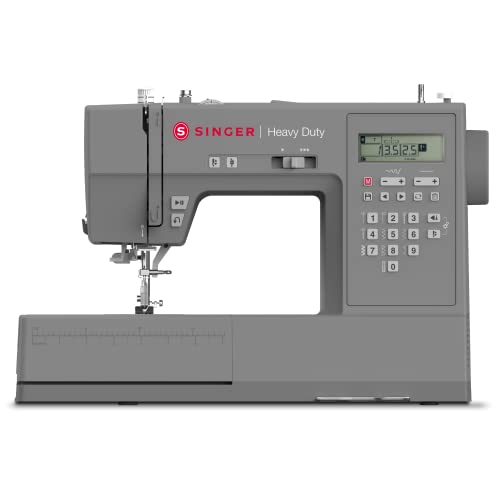
The SINGER 6700C is a computerized heavy-duty model with 411 stitch applications, including basic, stretch, and decorative stitches, plus a lettering font for customization. It provides an LCD display, a robust metal frame, and a one-step buttonhole. This machine is well-suited for upholstery projects that integrate decorative stitching or monogramming on cushions, drapery, or upholstery fabrics requiring design flair. The broad stitch library supports a range of finishing techniques and creative textures, while the reliable motor helps maintain consistent performance over time.
Considerations: For heavy-duty seating projects, prioritize models with strong motor power and generous stitch variety. The inclusion of decorative stitches is an advantage for design-focused upholstery pieces, but ensure you have the right foot accessories and thread compatibility for dense fabrics.
Consew 206RB-5 Walking Foot

The Consew 206RB-5 is a walking-foot, triple-feed industrial sewing machine designed for consistent results on leather, vinyl, and heavy upholstery fabrics. It features an extra-long stitch length up to 10 mm and a high foot lift of 14 mm, with a large bobbin and adjustable walking motion height. This combination supports smooth feeding of thick multi-layer materials—common in automotive upholstery, seating, and heavy-duty cushions. The table and servo-motor configuration enhances control during long seams or heavy fabric handling.
Practical takeaway: For upholstery tasks involving leather or several fabric layers, the walking-foot action minimizes feed slip and stitch variation. It can be heavier to set up and operate, but it delivers durable, professional results on demanding projects.
Buying Guide
When selecting an industrial sewing machine for upholstery, consider the following factors to determine the best fit for your workshop:
- Material type and thickness: Leather-heavy upholstery requires high piercing power, reliable walking-foot action, and robust frames. For cushions and fabrics with padding, a combination of walking foot and straight-stitch capability is ideal.
- Stitch options and control: A broad stitch library enables creative finishing and functional seams. If you need monograms or decorative detailing, models with LCD displays and accessible font options are advantageous.
- Motor and speed: Servo motors offer precise speed control and quieter operation, useful in long stitch runs. Direct-drive or high-speed straight-stitch machines boost productivity for large upholstery jobs.
- Table and workspace: A sturdy table, adjustable legs, and adequate arm space improve ergonomics and throughput, particularly for larger panels and thick layers.
- Maintenance and parts availability: Choose brands with strong service networks and readily available replacement parts, especially for heavy fabrics and frequent use conditions.
- Foot and accessory compatibility: Ensure the machine supports walking feet, needle types suitable for thick fabrics, and a broad range of presser feet for edge finishing, zippers, or binding.
- Power requirements: Most industrial machines operate on standard shop voltages, but confirm compatibility with your electrical setup to avoid voltage or phase issues.
In practice, upholstery shops often pair a primary high-speed straight-stitch machine with a walking-foot model for leather and multi-layer fabrics. This combination balances speed with material control. Evaluate your typical projects, fabric types, and required finish quality to choose the right mix of machines and accessories for your workflow.