Answering the demand for reliable, high-load curtain systems, this guide highlights top industrial curtain track systems ideal for shops, warehouses, pavilions, and other rugged spaces. The selections favor steel and aluminum designs that resist corrosion, offer modular mounting, and provide quiet operation. Best for: buyers seeking durable, reconfigurable tracks that withstand heavy use and easy installations.
| Product | Brand | Why It Stands Out |
|---|---|---|
| Industrial Curtain Track | Steel Curtain Tracks | AKON Curtains | Heavy-duty galvanized steel, modular clamp design, multiple mounting options |
| AKON Ceiling Trolley Curtain Track | AKON Curtains | Industrial trolley rail system, rust-resistant steel, quick-install modularity |
| Ceiling Curtain Track, Heavy-Duty (12FT-15FT) | WTHYGB | Aluminum alloy, customizable length, built-in noise reduction |
| Akon Suspended Curtain Track | AKON Curtains | Modular corners, suspended rails, nylon roller wheels for smooth motion |
| Ceiling Curtain Track (9–12 ft) | hei! dear | Heavy-duty aluminum, high roller count for quiet operation, versatile mounting |
Industrial Curtain Track: Steel Strength for Rugged Environments

Industrial Curtain Track | Steel Curtain Tracks
Best for: industrial shops, pavilions, warehouses, and any space that demands durability beyond plastic or aluminum. These steel tracks are described as heavy-duty and rust-resistant, designed to withstand industrial abuse. The modular design supports quick installation and re-purposing across locations. Cautions include ensuring compatible mounting hardware for your specific ceiling or structure, as rigidity may require proper support to handle high curtain weights.
AKON Ceiling Trolley Curtain Track: Trolley-Driven Efficiency
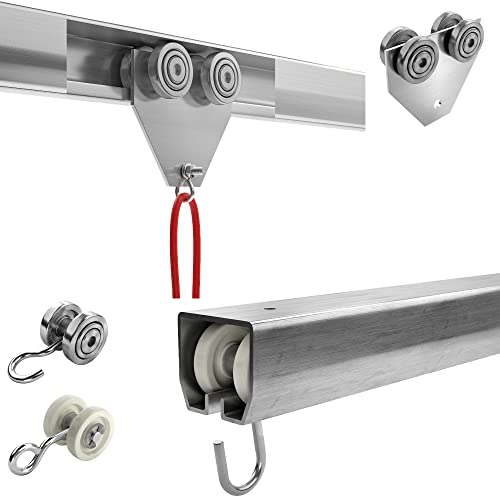
AKON Ceiling Trolley Curtain Track, Steel Rail System
Best for: garages, shops, and warehouses that require a robust trolley system for heavy curtains. The track features rust-resistant galvanized steel and a modular clamp design for easy relocation. A limitation to watch for is that heavier setups may need additional support brackets to maintain alignment over long runs.
Heavy-Duty 12FT–15FT Ceiling Curtain Track by WTHYGB
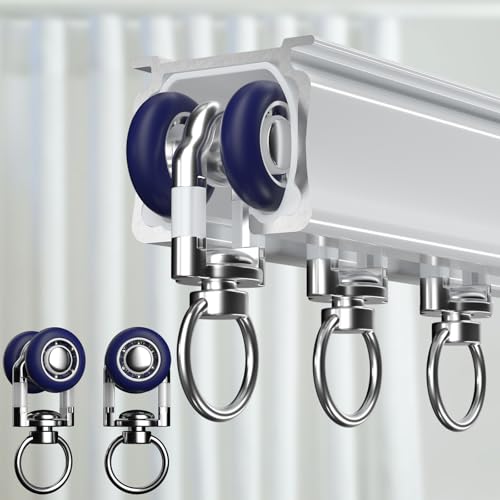
Ceiling Curtain Track, Heavy-Duty, 12FT-15FT
Best for: larger, open spaces needing long, modular track sections. Aluminum alloy construction offers light yet sturdy support, and the length can be spliced to fit custom room dimensions. Caution: longer runs may require ensuring identical end caps and proper alignment of joint connectors for a smooth glide.
Akon Suspended Curtain Track: Flexible, Modular Suspension

Akon Suspended Curtain Track, Drop Down Steel System
Best for: modular enclosures and temporary or reconfigurable installations in industrial settings. The system supports 90-degree corners and keeps tracks flexible for different room shapes. Limitation: suspended systems depend on reliable overhead mounting; improper anchoring can affect stability over time.
Ceiling Curtain Track, 9–12 Ft by hei! dear

Ceiling Curtain Track 9–12 Ft, Heavy Duty
Best for: spaces needing a strong aluminum track with high roller counts for quiet operation. Aluminum construction reduces weight while maintaining load-bearing capacity. Choose this if you prioritize low-noise performance and a robust mount. Limitation: mid-length runs may require careful measuring and cutting to ensure clean joint connections.
Buying Guide: Key Considerations for Industrial Curtain Track Systems
- Material and strength: Steel tracks offer maximum durability for heavy curtains; aluminum tracks save weight but still provide solid performance. Consider corrosion resistance for damp or industrial environments.
- Mounting options: Look for modular mounting styles (ceiling, wall, chains, trusses, or freestanding). Ensure the mounting method matches your space and ceiling structure.
- Track length and modularity: For long spans, choose tracks that can be spliced and joined cleanly. Modular corners enable creating enclosures without expensive custom fabrications.
- Rollers and motion: Quiet, smooth-rolling nylon or plastic rollers reduce noise and wear. Higher roller counts per 3-foot section typically improve glide consistency.
- Corrosion resistance and maintenance: Galvanized steel and rust-resistant finishes extend track life in industrial settings. Consider easy-to-replace parts for future reconfigurations.
- Installation complexity: Some systems come as plug-and-play with end caps and brackets; others require precise mounting and alignment. Plan for professional installation if your structure is complex.
- Reconfiguration and mobility: If you need to move curtains or reconfigure enclosures, prioritize modular tracks with quick-connect joints and easily removable components.
Frequently Asked Questions
- What type of curtain track is best for industrial use?
Sturdier steel tracks with galvanized hardware are typically best for industrial environments, offering durability and long service life. Aluminum options are lighter and easier to handle for large-scale installations.
- Can these tracks be installed on uneven ceilings?
Yes, but you may need additional brackets or shims to maintain level operation and ensure smooth curtain movement across the track.
- Are modular corners worthwhile?
Yes. Modular 90-degree corners enable creating custom enclosures and room dividers without costly fabrication, and they allow future reconfiguration.
- Do these tracks come with all necessary hardware?
Most sets include essential brackets, end caps, and rollers, but verify the package contents to confirm you have enough components for your specific run.
- Is noise reduction important for curtain tracks?
For spaces like offices or patient rooms, noise-reduction features help maintain a calm environment while still delivering reliable operation.
- What maintenance is required?
Inspect mounting points and rollers regularly; lubricate moving parts sparingly if needed and replace worn components to preserve glide quality.