When choosing an in-line hydraulic pressure relief valve, the goal is to protect components, maintain safe pressure, and ensure reliable performance for your specific hydraulic system. This guide highlights five top options that balance flow capacity, pressure range, and rugged construction. These valves are well suited for heavy-duty truck, trailer, plow, and hydraulic motor applications. Read on to compare who each valve is best for, and why it’s worth considering for your system.
Summary table of selected products:
| Product | Flow (GPM) | Pressure Range (PSI) | Port Size | Best For |
|---|---|---|---|---|
| Buyers Products HRV07518 | 20 | Up to 3000 | 3/4 Inch NPT | High-demand truck hydraulic functions needing strong protection |
| Buyers Products HRV07516 | 30 | 1501–3000 | 3/4 Inch NPTF | Medium-to-heavy truck/trailer circuits with adjustable range |
| Buyers Products HRV10018 | 30 | 1501–3000 | 1 Inch NPTF | Higher-flow systems with precise control |
| Summit Hydraulics Adjustable, 3/4″ NPT | 20 | 2500 PSI | 3/4″ NPT | Compact, reliable relief for versatile hydraulic setups |
| Getanye Adjustable Flow Control Valve | 30 | 500–3000 | 1/2″ NPT | Systems needing adjustable relief range and flow control |
Buyers Products HRV07518 In-Line Relief Valve
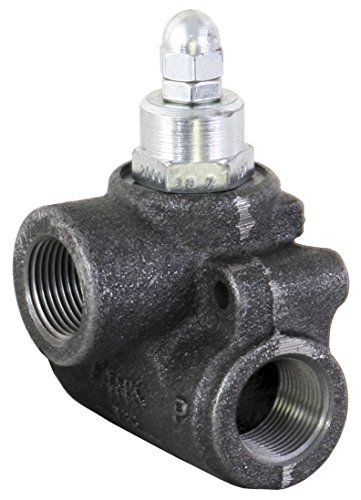
In-line hydraulic relief with 3/4 inch NPT connections delivers targeted pressure relief for specific functions in truck hydraulic systems. This model supports a high flow rate up to 20 GPM and uses a heavy-duty cast iron body rated for up to 3000 PSI, offering robustness for demanding operations. Best for: heavy-duty truck or trailer circuits where high flow and strong protection are needed. Caution: ensure proper installation to avoid unintended relief during routine operation.
Buyers Products HRV07516 In-Line Hydraulic Relief Valve
This 3/4 inch NPTF in-line valve offers precise overpressure protection with a higher flow rating up to 30 GPM and an adjustable pressure range from 1501 to 3000 PSI. The cast iron body provides durability suitable for truck and trailer systems that demand robust relief performance. Best for: systems with larger flow requirements and need for adjustable protection. Caution: choose this if your setup operates near upper PSI limits, otherwise a smaller unit may suffice.
Buyers Products HRV10018 In-Line Hydraulic Relief Valve

Designed for truck and trailer systems, this 1 inch NPTF in-line relief valve offers a 30 GPM capacity with an adjustable relief range of 1501–3000 PSI. Its targeted relief helps protect pumps, hoses, and components from overpressure while ensuring smooth operation of high-demand circuits. Best for: larger, higher-flow hydraulic setups requiring precise pressure control. Caution: installation should ensure compatibility with standard 1″ ports to avoid mismatches.
Hydraulic Relief Valve, Summit Hydraulics, 1/2” NPT

Inline mounting with a ball spring relief and a hardened seat ensures durability in a compact 1/2” NPT design. It handles up to 16 GPM, making it a solid choice for medium-flow applications where space or port size matters. Best for: smaller or lighter-duty truck or trailer projects needing a compact relief option. Caution: max flow is lower than 20–30 GPM units; plan around system demand accordingly.
Hydraulic Relief Valve, Summit Hydraulics, 3/4” NPT, 20 GPM

This model provides 3/4” NPT connections with a 20 GPM maximum flow and a 2500 PSI rating. It uses an inline mounting ball spring relief and a hardened seat for reliable long-term performance. Best for: mid-range flow requirements in truck and trailer hydraulics. Caution: not ideal for systems requiring higher-than-2500 PSI relief without verification.
Getanye Hydraulic Adjustable Flow Control Valve With Relief

Getanye combines an adjustable flow control valve with a relief feature in a 1/2” NPT package, offering a broad relief range from 500 to 3000 PSI and a flow capacity up to 30 GPM. Best for: systems needing adjustable relief across a wide pressure band and higher flow flexibility. Caution: ensure compatibility with 1/2” port fittings and verify that relief range matches application requirements.
Buying Guide: Practical Considerations For In-Line Hydraulic Relief Valves
What size port should I choose?
Port size must match your system fittings. Common options include 1/2″, 3/4″, and 1″ NPT/NPTF. Choosing the wrong size can cause installation issues or leakage.
What flow capacity do I need?
Higher flow capacities (20–30 GPM) suit heavy-duty systems with quick fluid movement. For smaller, lighter tasks, 12–16 GPM units may suffice and save space and cost.
What pressure range is appropriate?
Look for valves with adjustable ranges that cover your system’s operating pressure. Overpressure protection is essential to protect pumps and hoses without unnecessarily venting during normal operation.
Material and build quality matter?
Cast iron bodies offer durability for rugged environments. Stainless or zinc-coated components resist corrosion in harsh conditions. Ensure the seals and seats are designed for your hydraulic fluid and temperature range.
Where will the valve be installed?
In-line relief valves should be placed in the correct hydraulic line to ensure effective relief for the intended function. Consider distance from pumps and heat sources to reduce wear.
FAQ
- What is the main purpose of an in-line hydraulic relief valve? It protects hydraulic components by releasing excess pressure to prevent overpressure damage.
- Can I use any relief valve for snow plow or dump applications? Yes, but select a model with an adjustable pressure range that covers the system’s operating PSI and supports the required flow.
- Is higher GPM always better? Not necessarily; it must match the system’s flow needs. Excess capacity can lead to unnecessary relief and inefficiency.
- Do I need a check valve or cushion valve in addition to a relief valve? It depends on the circuit. Relief valves prevent overpressure; check valves control flow direction, and cushion valves dampen pressure spikes in certain configurations.
- How do I determine the correct PSI setting? Refer to your system’s specifications and set the relief valve just above the normal operating pressure but below the component’s maximum rating.
- Are inline relief valves compatible with all hydraulic fluids? Most are compatible with common hydraulic fluids, but verify material compatibility and temperature limits for your specific fluid.