Finding the right hydraulic pressure relief valve for 3000 psi systems is essential to protect pumps, hoses, and sensitive components from overpressure events. This guide focuses on models that deliver reliable 3000 psi operation while offering practical flow rates for trucks, trailers, and hydraulic tools. Best for fleet operators, shop mechanics, and DIY enthusiasts working with heavy-duty hydraulic circuits, these selections emphasize durability, adjustable pressure ranges, and clear functional benefits. Below is a concise buyer’s overview, followed by five category-relevant products and a practical Buying Guide.
| Product | Flow (GPM) | Port Size | Pressure Range |
|---|---|---|---|
| Buyers HRV07518 | 20 | 3/4″ NPT | Up to 3000 PSI |
| Buyers HRV10018 | 30 | 1″ NPTF | 1501-3000 PSI |
| Buyers HRV07516 | 30 | 3/4″ NPTF | 1501-3000 PSI |
| Getanye FCR51-1/2 | 30 | 1/2″ NPT | 500-3000 PSI |
| Summit Hydraulics 3/4″ | 20 | 3/4″ NPT | Up to 2500-3000 PSI |
Buyers Products HRV07518 In-Line Relief Valve
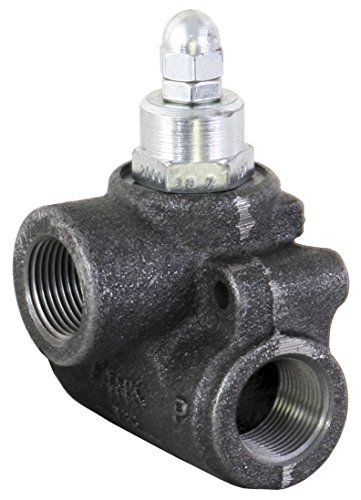
Best for: truck hydraulic functions requiring a compact, high-flow relief with sturdy cast-iron construction. This valve is designed to protect a truck’s hydraulic circuits by releasing excess pressure up to 3000 PSI, with a 20 GPM flow capacity for demanding applications. The inline design simplifies retrofits and integration into existing lines, making it a practical choice for fleet maintenance and on-site repairs.
Why selected: The 3/4″ NPT inline form factor balances space and throughput, while the 3000 PSI maximum supports common overload scenarios in mobile hydraulic systems. Cast-iron construction adds durability for rough-duty environments.
Limitations: Suitable primarily for targeted function relief; it may require careful plumbing to ensure correct relief pressure for the specific circuit it protects.
Buyers Products HRV10018 In-Line Valve

Best for: systems that demand precise relief across multiple functions with a higher flow, typical in heavy-duty truck and trailer setups. The 1″ NPTF port and 30 GPM capacity provide robust performance for larger hydraulic circuits while maintaining safe operating pressure up to 3000 PSI.
Why selected: Its adjustable high-pressure range (1501-3000 PSI) offers flexibility to cover various tasks, from lifting to plowing, without over-pressurizing components. The 3-port configuration supports more complex systems that need isolated relief points.
Limitations: The larger port size means more space is needed for mounting and integration compared to smaller inline valves.
Buyers Products HRV07516 In-Line Relief Valve
Best for: installations needing strong line protection with a 3/4″ NPTF configuration. This 30 GPM valve provides reliable relief up to 3000 PSI, suitable for varied truck and trailer hydraulic systems and applications like snow plows or dump controls.
Why selected: The 1501-3000 PSI adjustable range supports a range of high-demand jobs, and the 3-port design enables optional connections for more complex circuits. Cast-iron body ensures durability in tough environments.
Limitations: The 3-port style may introduce extra tubing routes; ensure proper routing to avoid interference with moving components.
Getanye Hydraulic Adjustable Flow Control Valve With Relief

Best for: a compact, adjustable relief option when you need both flow control and a relief function in one unit. Suitable for small to mid-size hydraulic circuits where adjustable relief between 500 and 3000 PSI is beneficial.
Why selected: The direct-acting relief design provides straightforward pressure protection, while the adjustable relief lets operators tailor response to different tasks. Aluminum construction makes it lighter for portable setups.
Limitations: Aluminum bodies are generally less rigid than cast iron for very high-pressure applications, so verify system rigidity and mounting before use.
Summit Hydraulics Hydraulic Relief Valve, 16 GPM

Best for: compact, inline relief in smaller or more precise hydraulic circuits where a 1/2″ NPT port is sufficient. Provides a hardened seat and inline mounting, suitable for general machine hydraulics with moderate flow up to 16 GPM.
Why selected: Inline mounting simplifies installation, and the hardened seat enhances durability under repeated relief cycles. The 1/2″ NPT port is ideal for lighter-duty yet dependable protection.
Limitations: Lower flow and smaller port may require up-sizing for high-demand lines or larger equipment in some systems.
Summit Hydraulics Hydraulic Relief Valve, 3/4” NPT

Best for: larger trailers and truck lines needing a reliable 3/4″ relief option with a higher flow capacity of 20 GPM. The valve operates up to 2500-3000 PSI depending on configuration and system needs.
Why selected: The 3/4″ port and 20 GPM capacity make this a strong all-around option for medium to heavy hydraulic circuits, providing robust protection without excessive pressure spikes.
Limitations: Check compatibility with your current valve stack and piping layout to ensure a proper fit and seal performance at rated pressures.
Buying Guide: Key Purchase Considerations
- Flow capacity vs. system demands: Choose a valve with a flow rate that matches or exceeds your pump output to avoid bottlenecks.
- Port size and mounting: NPT/NPTF sizes and inline vs. 3-port configurations affect installation and space requirements.
- Pressure range and adjustability: Look for adjustable relief ranges that cover your typical operating pressures (commonly 1500-3000 PSI in these models).
- Material and durability: Cast iron offers higher rigidity and ruggedness; aluminum balances weight and corrosion resistance for portable setups.
- System compatibility: Ensure thread standards (NPT, NPTF) and port orientation align with your hydraulic circuit design.
- Application suitability: Consider whether you need single-function relief or multi-port protection for complex lines (e.g., trucks with multiple hydraulic functions).
Frequently Asked Questions
- What does a hydraulic relief valve do?
It limits system pressure by releasing excess fluid when the set pressure is reached, protecting pumps, hoses, and components from overpressure.
- What PSI range should I expect for 3000 PSI systems?
Many relief valves intended for 3000 PSI systems offer adjustable ranges around 1501-3000 PSI or fixed up to 3000 PSI.
- What flow rate is best for my system?
Choose a valve with a flow rate that matches your pump capacity and circuit demands; undersized valves can cause pressure spikes, while oversized ones may not regulate effectively.
- Is cast iron always better than aluminum for relief valves?
Cast iron provides higher rigidity and durability for rugged use; aluminum offers lighter weight and corrosion resistance for portable or space-constrained setups.
- Do I need a multi-port relief valve?
For systems with multiple hydraulic functions or branches, a multi-port valve can protect several paths without installing separate relief devices.
- How do I verify compatibility with my hydraulic system?
Check port size (NPT/NPTF), thread compatibility, maximum flow, and the relief pressure range against your pump specifications and circuit layout.