Find the right hydraulic oil filtration system to protect pumps, valves, and actuators. This guide highlights five reliable options, each suited to different machines and flow needs. Best for farm and construction equipment, industrial hydraulics, or small-to-mid size log splitters that demand clean oil and minimal downtime.
Summary of selected products
| Product | Best For | Flow (GPM) | Notes |
|---|---|---|---|
| DICMIC 10 Micron Hydraulic Oil Filter Assembly | Tractors and agricultural machinery | 20 | 10-micron filtration, aluminum body |
| RARAYC Spin-On Hydraulic Oil Filter Assembly | Industrial hydraulic systems | 20 | Indicator ports, 10-micron media |
| ATRACYPART 221006 Kit | General petroleum-based systems | 20 | 10-micron, 200 PSI |
| Koreyoshi CP-752-10 | Log splitters and mini excavators | 20 | 1″-12 UNF thread, universal fit |
| EPJHKBE FAX-63X20 Element | Industrial machinery | — | Replacement element, high filtration efficiency |
Best Overall: DICMIC 10 Micron Hydraulic Oil Filter Assembly
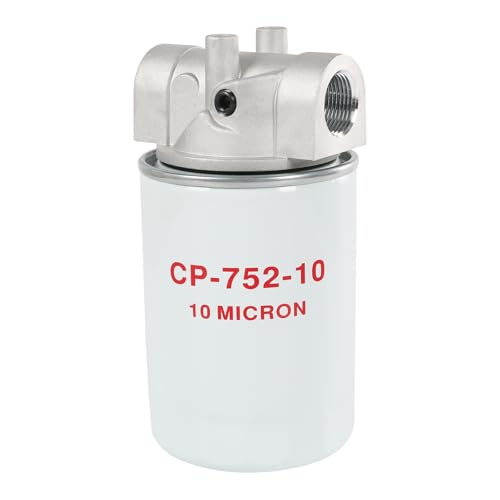
The DICMIC filter assembly uses a 10-micron filtration medium designed for petroleum-based and water-containing fluids. It features a 15 PSI bypass and a spin-on design with a 3/4″ NPTF port. Best for tractors, log splitters, and agricultural machinery where high-temperature environments and exposure to moisture are common. The aluminum die-cast body and Buna-N seals support durability in harsh conditions.
Best for: buyers needing fine filtration to protect hydraulic pumps and valves in agricultural or field equipment. Why selected: a compact, durable unit with clear filtration benefits and compatible flow rate up to 20 GPM. Caution: verify compatibility with your fluid type, especially if using non-petroleum emulsions, as performance depends on fluid compatibility.
Better Fit: Big Filter Replacement Hydraulic Filter (HYDAC/HYCON 0160D010BN3HC)
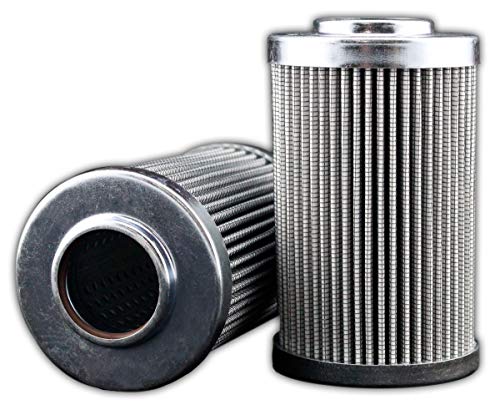
This Big Filter replacement is designed as a direct interchange for HYDAC/HYCON 0160D010BN3HC. It’s positioned for reliable uptime in industrial settings where standardized parts matter. The product emphasizes USA/Canada design and ISO-aligned manufacturing, which can simplify procurement for facilities using HYDAC/HYCON components.
Best for: shops prioritizing interchangeability with established brands. Why selected: it helps avoid downtime through compatibility with common HYDAC/HYCON part numbers. Caution: confirm exact model compatibility before ordering to ensure correct port size and thread type.
Solid Choice: Spin-On 221006 Style Filter (ATRACYPART)

The ATRACYPART model 221006 uses a 10-micron filtration standard with a 20 GPM flow and 200 PSI maximum pressure. It’s designed for petroleum-based fluids, offering a robust spin-on housing and a 3/4″ NPTF port. This unit is appropriate for tractors, log splitters, and general hydraulic systems in industrial or agricultural settings.
Best for: users seeking a ready-to-install, professional-grade spin-on unit. Why selected: strong protection for critical components with a proven 10-micron spec. Caution: ensure the model matches your system’s port and bypass requirements; some setups need different bypass values for uninterrupted operation.
Versatile Pick: Koreyoshi 723-10 Series Filter

The Koreyoshi 723-0405 family is compatible with several models, including log splitters and mini excavators. It features a 10-micron filtration stage and 3/4″ NPTF ports. With a listing that mentions universal compatibility, it is suitable for owners who want a straightforward, wide-fit solution that clearly states compatibility with multiple brands.
Best for: operators who want an easy, plug-and-play option across different machines. Why selected: broad compatibility reduces guesswork during replacements. Caution: verify exact thread size and port configuration on your specific unit to avoid fitment issues.
Replacement Element: EPJHKBE FAX-63X20

The EPJHKBE element is a direct replacement for hydraulic filter model FAX-63X20, designed to sustain a high filtration efficiency in industrial machinery. It’s built for high-pressure environments, using industrial-grade materials to promote long-lasting durability and stable performance under load.
Best for: environments requiring simple element exchanges without full housing replacement. Why selected: when you already have a compatible housing, this element can extend service intervals. Caution: confirm the exact replacement part number and housing compatibility before purchase.
Buying Guide: Key Considerations For Hydraulic Oil Filtration Systems
What flow rate do you need? Most agricultural and light-industrial systems run around 20 GPM. Match the filter’s flow rating to your system’s pump capacity to prevent cavitation or bypass issues.
What micron rating is best? A 10-micron media balances fine filtration with reasonable pressure drop. In dirty or moisture-prone environments, finer filtration (5- or 3-micron) might be preferred, but at the cost of higher pressure drop.
Is bypass needed? A bypass valve (often around 15 PSI) prevents full system shutdown if the filter clogs. For continuous operation, ensure the chosen unit has a suitable bypass design and monitoring ports.
Port size and mounting: Most units use 3/4″ NPTF ports; confirm thread type and downstream hose connections. Spin-on housings are convenient for quick changes, but confirm housing mating with your system.
Materials and compatibility: Aluminum bodies with Buna-N seals offer durability and chemical resistance for petroleum-based fluids. If your system uses water-based emulsions, verify compatibility to avoid seal swelling or corrosion.
Indicator ports and monitoring: Real-time status indicators help prevent unexpected downtime. Choose filters with accessible indicator ports if you prioritize proactive maintenance.
FAQ
- What is the typical filtration micron for hydraulic systems? Most common systems use 10-micron filtration to remove fine contaminants while maintaining reasonable flow and pressure.
- Can I mix brands for filter housings and elements? It’s best to match both housing and element specifications (micron rating, port size, and thread type). Mixing mismatched parts can cause leaks or improper filtration.
- How often should I change a hydraulic filter? Change frequency depends on usage, fluid quality, and environment. Use indicator ports and scheduled maintenance to determine intervals.
- What is the benefit of a bypass valve? The bypass valve ensures the pump continues to operate if the filter becomes clogged, protecting the system from downtime.
- Are 10-micron filters suitable for all hydraulics? They are widely suitable for many systems, but harsher or larger debris environments may benefit from coarser or finer filtration depending on component sensitivity.