When selecting a high-pressure transmission line, prioritize compatibility with your vehicle, pressure rating, material durability, and the line’s ability to withstand heat and chemical exposure. The following options cover universal adaptables and vehicle-specific lines, helping buyers choose based on their needs—daily drivers, towing, or performance applications. The top picks below focus on durability, fitment, and clear installation considerations for American buyers.
| Product | Best For | Key Benefit |
|---|---|---|
| 6AN 70″ Transmission Fluid Oil Cooler Hose Line Kit | Universal fitment, multiple transmissions | Stainless braided PTFE hose for broad compatibility |
| EVIL ENERGY 3/8″ Transmission Oil Cooler Hose 10FT | General purpose cooling line | High burst and working pressures |
| EVIL ENERGY 3/8″ Transmission Oil Cooler Hose 5FT | Compact installations | Same rated performance in shorter length |
| 3/8 Inch Fuel Line Hose 10FT NBR | High-pressure fuel/fuel-system lines | High-temperature resistance and reliability |
| A-Premium Dodge Ram Transmission Cooler Line | Truck applications with OEM references | Sturdy construction and compatibility notes |
6AN 70″ Transmission Fluid Oil Cooler Hose Kit

This universal hose kit uses AN6 adapters and fits multiple transmissions, including TH350, TH400, 4L60E, 4L80E, 700R4, 200-4R, TR6060, Ford AOD 4R100, and other C5 configurations. It aims to improve cooling efficiency and extend transmission life by reducing heat-related wear. Best for: mixed-use or towing-focused daily drivers needing robust cooling capacity without vehicle-specific constraints. Limitation: compatibility should be verified against your exact build and fitting requirements.
EVIL ENERGY 3/8″ Transmission Hose 10FT
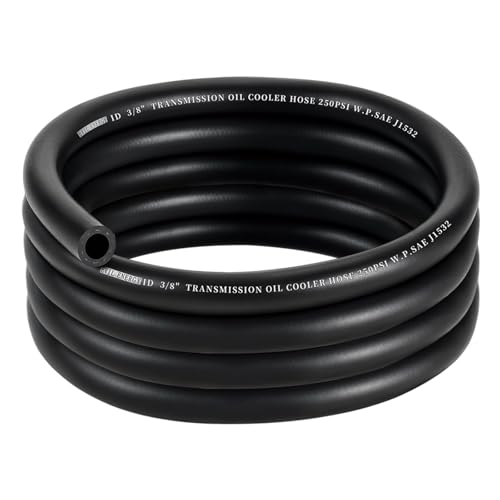
This hose features a 3/8 inch inner diameter, 10 feet in length, and a working pressure of 250 psi with a 1000 psi burst rating. Made of CPE, it supports temperatures from -40°F to 257°F. Best for: general transmission cooling lines in both daily driving and moderate hauling scenarios where a flexible, durable hose is required. Choose this if you need a longer run with solid pressure capability. Caution: verify that the hose material is compatible with your vehicle’s fluid type.
EVIL ENERGY 3/8″ Transmission Hose 5FT
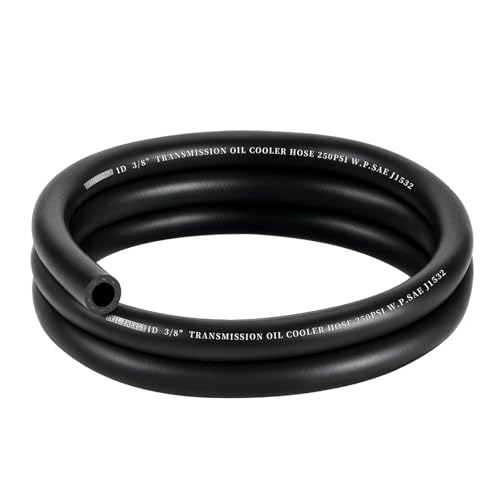
This 5-foot version shares the same 3/8 inch ID and 16 mm OD with a 250 psi working pressure and 1000 psi burst rating, built from CPE material. Best for: projects with tighter space or shorter hose runs while maintaining strong pressure tolerance. Limitation: shorter length may require additional fittings for longer routing.
3/8 Inch (10mm) Fuel Line Hose 10FT NBR

With a 3/8 inch ID and 2/3 inch OD, this NBR rubber hose offers a 300 psi working pressure and 1160 psi burst rating. Temperature tolerance spans -40°F to 257°F. Best for: high-pressure fuel lines and related engine bays where NBR’s wear resistance and temperature tolerance are beneficial. Caution: designed for fuel systems; confirm compatibility with transmission cooling fluids before use.
A-Premium Transmission Oil Cooler Line Assembly

Designed for Dodge Ram 2500/3500 (2005-2009 5.9L, 2007-2009 6.7L), this line functions as both a torque converter and transmission oil cooler. It references several OEM-like part numbers and emphasizes corrosion resistance for reliable, leak-free performance. Best for: truck owners needing an OEM-like fit with robust cooling capabilities. Limitation: verify compatibility with your exact year and engine option using the provided references and compatibility checks.
RATCHROLL Oil Cooling Line Assembly for Jeep Wrangler

Specifically for Jeep Wrangler V6 3.8L (2007-2011), this line features reinforced crimping and durable metal fittings to resist leaks under high pressure. It protects coolant flow between the transmission and oil cooler, maintaining oil temperature for transmission performance. Best for: Jeep owners seeking a match to OE-style lines with reliable connection hardware. Limitation: designed for a specific vehicle family; confirm fitment before purchase.
Buying Guide: High-Pressure Transmission Line Essentials
- Compatibility: Check vehicle year, engine, and transmission type. Universal lines offer flexibility but may require adapters; vehicle-specific hoses can simplify installation.
- Pressure Rating: Ensure the line’s working pressure exceeds the transmission’s operating requirements. Burst rating should accommodate potential spikes.
- Material Durability: PTFE, CPE, and NBR materials each offer different chemical resistance, temperature tolerance, and wear characteristics. Consider the fluid type and environment.
- Length And Routing: Length should fit the intended path without excessive bending. Minimum bend radii help prevent premature wear and kinks.
- Fittings And Adapters: Verify compatibility with your fittings (AN size, hose ID/OD, connectors). Improper fittings can cause leaks under pressure.
- Installation Considerations: Some lines integrate heat exchangers or cooler assemblies. Assess space, mounting points, and access for maintenance.
Frequently Asked Questions
- What is a high-pressure transmission line used for? – It transports transmission fluid under elevated pressure between the transmission and cooler or radiator assembly, helping maintain safe operating temperatures.
- Can I use fuel hoses for transmission cooling? – Generally not recommended unless the hose is rated for the required temperature and chemical exposure. Choose hoses designed for transmission fluids.
- What should I look for in a transmission cooler hose? – Look for compatible ID/OD, adequate working and burst pressure, temperature range, material compatibility, and durable fittings.
- Is universal hose acceptable for all vehicles?
- How long should transmission lines last? – Durability depends on material and usage. High-quality lines with proper routing and fittings generally last several years under normal driving conditions.
- Do these hoses need clamps or crimp fittings? – Most lines rely on crimped or threaded connections; ensure clamps or fittings are properly installed to prevent leaks.
– Universal hoses offer broad compatibility but may require adapters or custom routing for a perfect fit. Vehicle-specific lines often provide easier installation.