Choosing the right gas regulator is essential for delivering steady, safe gas pressure to boilers and other large appliances. This guide highlights five highly regarded regulators suitable for boiler systems, with details on pressure ranges, compatibility, and installation considerations. Each option comes from reputable brands and offers adjustments for natural gas or propane. Use this overview to compare performance, compatibility, and durability before making a purchase.
Summary of featured products
| Product | Brand | In/Out | Inlet Pressure | Outlet Range |
|---|---|---|---|---|
| FENDITEK 3/4″ NPT Natural Gas Regulator | FENDITEK | 1/2″ NPT inlet, 3/6 inch WC outlet | 1/2 PSIG | 3-6″ WC |
| TEENGSE 1/2″ Gas Regulator | TEENGSE | 1/2″ NPT in/out (plus adapters) | 2.74 kPa LP (11″ wc) / 1.74 kPa NG (7″ wc) | 0.95–1.05 kPa NG or 2.45–2.55 kPa LPG |
| Maxitrol RV48L Natural Gas Regulator | MAXITROL | 3/4″ FPT | 1/2 PSIG | 3″-6″ WC |
| GEIparts 1/2″ Gas Regulator | GEIparts | 1/2″ FPT in/out | Noted below | NG 4″ WC, LPG 10″ WC |
| MENSI Natural Gas Regulator | MENSI | 3/4″ FPT (in/out) | 1/2 PSI | 4-10″ WC |
FENDITEK 3/4″ NPT Natural Gas Regulator

FENDITEK’s commercial-grade regulator is designed for heavy-duty use in boilers, HVAC systems, and industrial gas appliances. It provides precise pressure control with a 1/2 PSIG inlet and a 3-6 inch WC outlet range, supporting consistent gas flow in high-pressure environments. The unit is built for robust performance and long service in commercial kitchens, bakeries, and large-scale heating setups. Installation should consider the specified inlet and outlet ranges to avoid over- or under-fueling equipment.
TEENGSE 1/2″ Gas Regulator with Adapters

The TEENGSE regulator supports both natural gas and LPG applications and includes conversion adapters for 1/2″ NPT connections. Inlet/outlet are 1/2″ FPT, with specific pressures for LPG (11″ wc) and NG (7″ wc). The model is adjustable, enabling quick switching between NG and LP states. It is a practical choice for kitchens, boilers, and other appliances requiring flexible fuel handling without multiple regulators.
Maxitrol RV48L Natural Gas Regulator

The Maxitrol RV48L delivers a reliable 1/2 PSIG inlet and a 3″-6″ WC outlet range in a compact 3/4″ FPT configuration. It is tailored for natural gas lines in boilers and other heating equipment, with attention to safe, stable pressure regulation. Users should verify the inlet/outlet sizing against existing piping to ensure compatibility and prevent leaks or pressure drops that could affect boiler performance.
GEIparts 1/2″ Gas Regulator With Adapters

GEIparts offers a 1/2″ FPT regulator compatible with NG and LPG valves, featuring 4″ WC for NG and 10″ WC for LPG. The included brass adapters (1/2″ NPT to 3/8″ flare, and 1/2″ NPT to 1/2″ NPT) simplify installation with common piping configurations. Temperature tolerance and proximity to heat sources are considerations to ensure consistent regulator performance near boilers and heaters.
MENSI Natural Gas Regulator With 3/4″ NPT Threads

MENSI’s regulator handles natural gas with an adjustable 4-10″ WC outlet pressure, suitable for commercial stoves and boiler feed lines. The 3/4″ NPT inlet/outlet threads fit a wide range of piping. The unit advertises compatibility with NG and LPG via adjustable settings, but installation should comply with local codes and avoid operating in environments outside the recommended temperature range to ensure valve reliability.
Gas One 2102 Low Pressure Regulator Kit
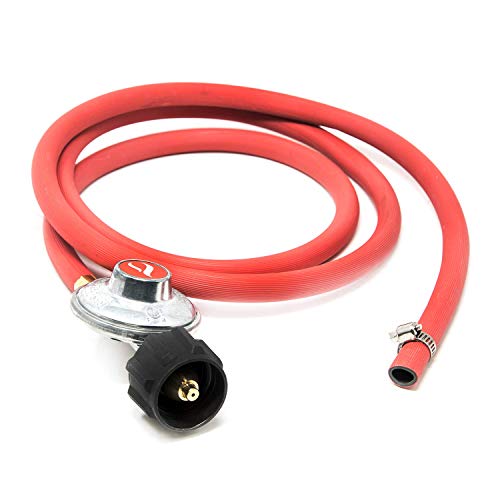
This kit provides a low-pressure regulator and hose for LP/LPG appliances, including grills and heaters. It offers a practical solution for smaller boiler feed lines or auxiliary gas equipment within a boiler room setting. The hose length and 5/8″ Unf connection support straightforward integration with compatible appliances, but verify pressure requirements and ensure the regulator’s capacity matches the boiler’s gas demand.
Gocayio 1/2″ Gas Regulator with Adapters

Gocayio’s regulator features universal 1/2″ NPT inlet/outlet connections with included brass adapters (2 x 1/2″ NPT to 3/8″ flare and 1/2″ NPT to 1/2″ NPT). It is designed for NG and LPG applications and notes a safe temperature range for operation. While flexible, ensure that the regulator’s pressure range aligns with boiler specifications and local codes to maintain safe operation in heating systems.
Buying Guide: Key Considerations When Selecting a Boiler Gas Regulator
- Gas type compatibility: Confirm whether the regulator supports natural gas, propane/LPG, or both, and ensure the unit’s outlet range matches your boiler’s required pressure.
- Inlet/outlet sizing: Match the regulator’s port sizes (commonly 1/2″ or 3/4″ NPT) to your piping. Include any adapters needed for a proper fit.
- Pressure range and stability: Look for regulators offering a stable outlet pressure within a safe range for boilers (typically a few inches of water column to several inches WC). Consider units with tight regulation for consistent boiler operation.
- Regulator type and duty rating: Choose commercial-grade regulators for heavy-duty boiler use, and verify the device’s flow capacity aligns with boiler BTU requirements.
- Installation considerations: Place the regulator close to the gas source and away from heat sources. Ensure proper ventilation, leak testing, and compliance with local codes and standards.
- Durability and materials: Brass or corrosion-resistant components improve longevity in boiler rooms where moisture or heat is present.
- Safety features: Look for regulators with features that aid leak prevention and safe shutoff in fault conditions, as well as clear labeling for NG vs LPG operation.
- Support and documentation: Favor brands offering clear installation guides, pressure charts, and compatibility lists for boiler models and gas appliances.
- Cost vs. value: Consider total cost of ownership, including adapters, warranty, and service availability, rather than price alone.
When selecting a gas regulator for boilers, consult the boiler manufacturer’s gas supply requirements and local building codes. Proper fit, correct pressure range, and reliable construction are essential for safe, efficient boiler operation and long-term system reliability.