Choosing the right food grade oil for machines is essential for safety, compliance, and performance in kitchens and food processing environments. This article highlights five highly regarded options that meet NSF H1 or equivalent standards and are suitable for equipment like meat slicers, grinders, cutting boards, and conveyors. Each product prioritizes packaging, odor, and durability to minimize contamination risk and downtime.
Overview of selected products:
-
<liVerdana Food Grade Lubricant Oil – Organic, Kosher, NSF H1 – 8 Fl Oz – Petroleum-Free
- CRC 03081 General Purpose Food Grade Machine Oil Spray – 11 oz
- Petrol-Gel Food Grade Equipment Lubricant – Premium Mineral Oil – Pack of 2
- UltraPro Food Grade Mineral Oil – 1 Gallon – For Cutting Boards And Machinery
- Bizerba Food Grade Machine Oil – 30 ml – For Meat Slicers And Food Industry Machines
Verdana Food Grade Lubricant Oil – Organic, Kosher, NSF H1
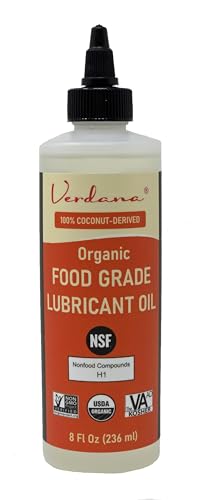
Verdana’s Food Grade Lubricant Oil is designed for incidental food contact, meeting NSF H1 standards to protect food service equipment. It is organic, Kosher, and Non-GMO, sourced from coconut-derived ingredients and free from petroleum and GMOs. This makes it a gentle option for cutting boards, slicers, grinders, mixers, and other kitchen machinery where safety and cleanliness are paramount. The oil serves as a rust and corrosion inhibitor while maintaining smooth operation of moving parts.
Key considerations: Being petroleum-free, this option supports sustainability goals and reduces exposure to petroleum-based additives. Its NSF H1 certification assures compliance in environments with occasional contact with food, making it suitable for multiple equipment types without frequent replacements.
CRC 03081 General Purpose Food Grade Machine Oil Spray
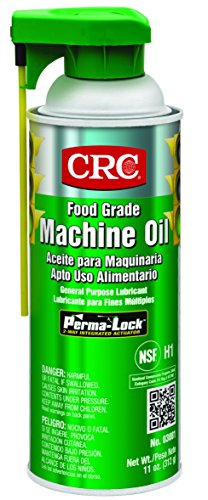
CRC 03081 is a versatile, NSF H1 registered lubricant with no silicone, offering a nearly colorless and odorless profile. It is designed for incidental food contact and safe on diverse surfaces, including metal, wood, plastic, and painted finishes. This makes it suitable for a broad range of equipment—from meat processing gear to kitchen tools—where lubrication is needed without staining or leaving residues that could compromise product safety.
Key considerations: The absence of silicone minimizes residue on food-contact surfaces, while its compatibility with various materials supports mixed-use environments. The spray format facilitates quick application to hinges, gears, and joints, helping to maintain smooth operation between cleanings.
CRC Food Grade Penetrating Oil 03086
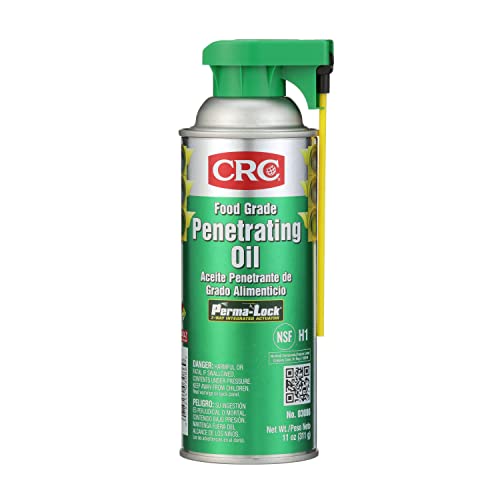
CRC Food Grade Penetrating Oil 03086 is designed to loosen rusted, frozen, or corroded components while remaining suitable for food processing environments. It penetrates through cracks and joints to facilitate maintenance and disassembly, aiding in routine upkeep of equipment such as meat grinders, slicers, and conveyors. The formula is intended to be non-toxic and compatible with typical food processing workflows.
Key considerations: Penetrating oils are essential for preventive maintenance where corrosion or seized fasteners threaten uptime. Ensure proper cleaning and drying after use, since penetrating oils can leave a film that may require periodic removal depending on the equipment. This product provides a practical balance of penetration strength and food-safe composition.
Petrol-Gel Food Grade Equipment Lubricant

Petrol-Gel offers NSF-approved, food-safe mineral oil suitable for a range of equipment—from mixers and meat grinders to conveyor systems. Its multi-use formula is designed for high-performance lubrication while maintaining safety and cleanliness in food processing applications. The product emphasizes safety and reliability, delivering protective lubrication across moving parts and reducing wear and tear.
Key considerations: Mineral oil-based formulas can provide robust lubrication for metal surfaces, but users should consider the specific temperature range and exposure level of their equipment. This product’s NSF approval adds confidence for incidental contact in commercial kitchens and processing plants.
NSF Certified Food Grade Mineral Oil (Sanco Industries)

Sanco Industries’ NSF Certified Mineral Oil is a classic option for protecting wood cutting boards, butcher blocks, and stainless steel equipment. It is colorless and odorless, designed to prevent drying and cracking of wood while keeping metal surfaces looking new. This product is ideal for food service environments that require a neutral, non-staining oil with proven safety credentials for incidental contact with food.
Key considerations: Mineral oil products like this are well-suited to wooden surfaces and stainless steel. They provide a simple, state-approved solution for routine upkeep, but users should monitor absorption and reapplication timing to maintain optimal moisture levels for wooden components.
Bizerba Food Grade Machine Oil

Bizerba’s Food Grade Machine Oil is formulated for high and low-temperature conditions in food industry machines. It is designed to lubricate bearings, spindles, joints, and conveyor chains, providing long-lasting protection against rust and wear. The product emphasizes ease of use—just a few drops can keep parts moving smoothly and reduce the risk of oxidation and corrosion in critical mechanical areas.
Key considerations: This oil is positioned for professional kitchens and processing lines where equipment operates across temperature extremes. The flavor-safe and odorless profile helps prevent contamination risks, while the small 30 ml bottle is suitable as a maintenance-on-the-go option for essential machines.
Buying Guide: Key Purchase Considerations
- Certification and safety: Prioritize NSF H1 or equivalent food-grade certifications to ensure incidental contact is considered safe and compliant with industry standards.
- Oil type and base: Mineral oil offers robust lubrication for metal surfaces and equipment; organic or coconut-derived bases (as in Verdana) appeal to sustainability-focused operations and certain safety requirements.
- Applicability: Confirm the intended use—cutting boards, slicers, grinders, or conveyors—and ensure the lubricant’s viscosity and film formation suit your equipment’s moving parts and operating temperatures.
- Residue and odor: For food-contact surfaces, select low-odor, low-residue formulations to minimize cross-contamination risk and streamline cleaning schedules.
- Packaging and quantity: Consider bottle size relative to maintenance frequency and ease of application—sprays, penetraing oils, and bottle pours each have operational advantages.
- Compatibility with materials: Ensure compatibility with metal, wood, plastic, and painted surfaces present in your equipment to avoid adverse interactions or staining.
- Maintenance strategy: Use penetrating oils for seized fasteners and rust prevention, while mineral oil-based lubricants can provide longer-lasting protection for moving parts.
- Regulatory alignment: In large-scale facilities, align product choices with company food safety programs and supplier certifications to ensure consistent compliance.
When selecting a food grade oil for machines, weigh safety certifications, material compatibility, and maintenance needs. A diversified approach—keeping a general lubricant on hand for routine lubrication and a penetrating oil for occasional maintenance—helps maintain equipment reliability while minimizing contamination risks. For facilities that prioritize sustainability, petroleum-free options provide an appealing pathway without sacrificing performance.