Short answer: float and thermostatic steam traps are essential for efficient condensate removal in steam systems. The top picks below are best for industrial setups that require reliable, pressure-rated separation and automatic discharge. This guide highlights options ideal for various operating pressures, materials, and configurations. The buyers best suited are plant engineers, maintenance managers, and facility operators seeking durable traps with predictable operation and easy integration into ANSI or NPT threaded systems.
Summary of selected products
| Product | Best For | Key Benefit |
|---|---|---|
| Barnes & Jones 3/4″ FT2015-3 | Low to mid-pressure steam lines | Compact, reliable F&T trap with 15 PSI rating |
| Spirax Sarco FT-15 3/4″ | Industrial steam distribution | Established performance in cast-iron body |
| Unox DN15 Ball Float | Versatile high-temp applications | Precise thermostatic control, robust cast body |
| Unox DN25 Ball Float | Moderate to large condensate loads | ANSI Class150 flange compatibility |
| Mepco Float & Thermostatic (Dunham-Bush ML9632) | Medium-size systems | Head assembly versatility for 3/4″ & 1″ |
Barnes & Jones 3/4″ Float & Thermostatic Steam Trap

The Barnes & Jones FT2015-3 is a 3/4″ NPT float & thermostatic trap rated at 15 PSIG. It targets small to mid-size condensate applications where steady drain and simple maintenance are priorities. Best for compact boiler rooms or looping lines with moderate load. This model emphasizes dependable condensate discharge with straightforward installation and compatibility with standard piping. A potential limitation is lower PSI rating for higher-pressure steam systems; verify system pressure before selection.
Spirax Sarco FT-15 3/4″ Cast Iron Trap
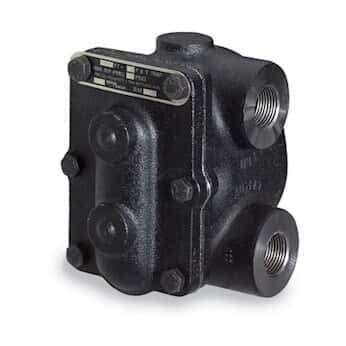
The Spirax Sarco FT-15 is a 3/4″ float/thermostatic trap with a cast-iron body. Designed for reliable condensate removal in mid-range steam lines, it suits facilities prioritizing a well-known brand and robust construction. It’s a solid choice for existing Spirax installations or where parallel configuration space is a factor. A caveat: the listing references general package dimensions rather than explicit performance curves; ensure compatibility with your piping layout and pressure class.
Unox DN15 Ball Float, Thermostatic
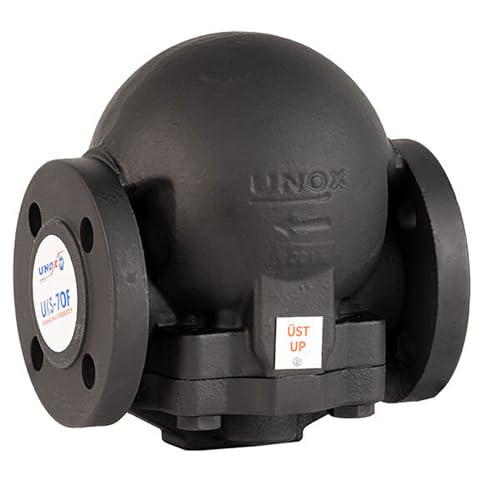
The Unox DN15 combines a ball float with thermostatic control for precise condensate management up to high temperatures. Its GGG 40.3 ductile iron body and robust cover provide long-term durability, while ANSI Class150 flange compatibility ensures straightforward installation in many systems. Best for facilities needing reliable control in harsher environments. Limitations include compatibility checks with existing flange standards and potential weight considerations for retrofit projects.
Unox DN25 Ball Float, Thermostatic
The Unox DN25 model extends the DN15 design to larger condensate loads, maintaining thermostatic precision and rugged construction. It’s best for larger or higher-flow steam systems that require dependable condensate handling and ANSI Class150 flange integration. A potential limitation is physical size and weight, which may affect mounting space in compact units.
Barnes & Jones FT2015-3 15 PSIG 3/4″ NPT Float & Thermostatic
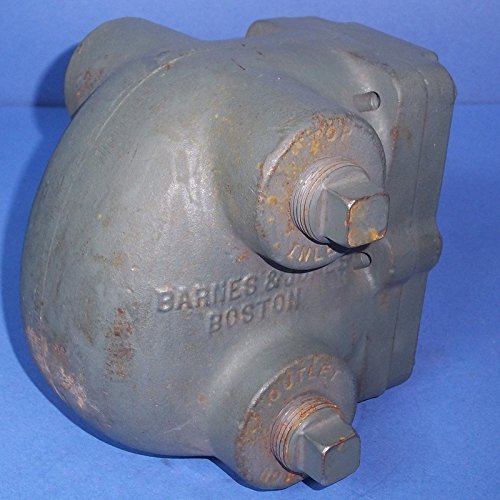
This Barnes & Jones variant repeats the 15 PSIG, 3/4″ NPT configuration with a focus on NEW construction and FT2015-3 compatibility. It’s best for setups that require a compact, code-compliant trap with predictable discharge. The main caution is ensuring the NPT threading matches existing piping to prevent misfit and leakage risk during installation.
Buying Guide: Key Considerations For Float & Thermostatic Traps
- Operating pressure and temperature: Match trap rating to your steam system’s PSIG and condensate temperature to avoid backpressure or inadequate draining.
- Connection type and size: Confirm NPT threading or ANSI flange compatibility with your piping and flanges to ensure a proper seal.
- Materials and durability: Cast iron vs ductile iron bodies offer different durability; consider corrosive condensate and ambient conditions.
- Condensate load: Choose smaller traps for lighter loads and larger units for heavy condensate flow to prevent carryover and water hammer.
- Maintenance access: Look for traps with straightforward access for inspection and replacement parts to reduce downtime.
FAQ
- What is a float & thermostatic steam trap?
It combines a float mechanism to discharge condensate and a thermostatic element to control discharge based on temperature, improving efficiency in many steam systems.
- When should I choose ANSI Class150 flanged traps?
When your system uses ANSI-standard piping and you need seamless integration without adapters.
- How do I determine trap size?
Consider steam load, condensate rate, and line size. Large loads require larger traps to prevent backflow.
- Are nickel or stainless options available?
Most listed models use ductile iron or cast iron bodies; check manufacturer options for corrosion resistance needs.
- Can these traps be used on high-temperature steam?
Yes, many models handle elevated temperatures; verify maximum temperature ratings in product specs before selecting for high-temperature lines.
- Do these traps require special installation tools?
Standard piping tools are usually sufficient; ensure proper torque on connections and follow manufacturer guidelines for installation.