Choosing the right ductless fume hood for a laboratory environment involves evaluating containment efficiency, filtration needs, and ease of maintenance. The following selections emphasize non-ducted and duct-exhaust models suited for chemical fumes, odors, and particulate control in research, education, and light manufacturing settings. Each option offers features like integrated LED lighting, adjustable intake, and compatible accessories to help labs maintain safe air quality while meeting budget and space constraints.
Overview of selected products:
| Product | Brand | Type | Key Features |
|---|---|---|---|
| 24” Wide Ducted Fume Hood | Sentry Air Systems | Ducted | LED light, 24″ wide, external ducting compatible |
| 18″ Wide Ducted Fume Hood | Sentry Air Systems | Ducted | 4″ exhaust collar, LED light |
| 40” Wide Ducted Fume Hood | Sentry Air Systems | Ducted | 6″ exhaust collar, LED light |
| 30” Wide Ducted Fume Hood | Sentry Air Systems | Ducted | 6″ exhaust collar, LED light |
| Hard 50mm OD Articulated Hose Fume Arm | Bay Heights | Open hood accessory | Flexible hose, adjustable airflow |
18″ Wide Ducted Fume Hood With LED Light

The 18″ wide ducted fume hood from Sentry Air Systems provides an compact solution for laboratories needing efficient odor and chemical fume management. It features a 4″ exhaust collar to connect to external ductwork and an integrated LED light for clear visibility during work. The design focuses on a compact footprint while enabling external ducting for fume removal. Vinyl curtain isolation options are available separately to tailor containment for specific experiments. This unit is suitable for small-scale chemical handling, pharmaceutical compounding, 3D printing, and odor control areas where external ducting is feasible.
40” Wide Ducted Fume Hood With LED Light

This 40″ wide ducted fume hood offers a larger opening and a 6″ exhaust collar for efficient removal of heavier chemical fumes and particulates. The built-in LED light enhances visibility during analysis, preparation, and precise handling of hazardous substances. Vinyl curtains are available as an optional accessory for additional containment, though not included by default. Suitable for larger scale experiments, pharmaceutical compounding, and general lab environments requiring robust fume management with ducted exhaust.
30” Wide Ducted Fume Hood With LED

The 30″ wide ducted fume hood is designed to balance footprint with performance. A 6″ exhaust collar provides adequate removal of chemical fumes, while the integrated LED lighting improves task performance inside the hood. Optional vinyl curtains can be added for enhanced containment when dealing with volatile substances. This unit is well-suited for teaching labs, small research facilities, and any environment requiring dependable ducted fume control with straightforward maintenance.
24” Wide Ducted Fume Hood With LED

The 24″ wide ducted model offers a compact yet capable solution for laboratories handling moderate volumes of chemical fumes. It includes a 6″ exhaust collar and an LED light, aiding in safe monitoring and operation. Vinyl curtains are optional, enabling additional containment when working with volatile compounds. The hood is compatible with external ductwork and a separate fan system to vent fumes and particulates outside the workspace.
Hard 50mm OD Flexible Duct Arm For Fume Control
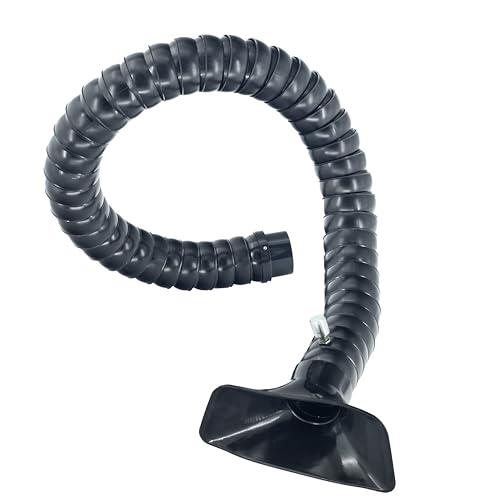
While not a full hood, this articulated hose and hood assembly provides an adaptable option for spot extraction, laser engraving, soldering, or welding in a controlled area. The hard 50mm outer diameter offers compatibility with standard ducting components. The adjustable valve on the nozzle enables precise airflow management and can be deployed as a supplemental extraction method in conjunction with a primary hood system.
Snorkel Laboratory Exhaust Vent

This pre-owned fume extractor arm offers ceiling-mounted exhaust capture with a flexible reach. It provides a secondary or supplementary extraction solution for labs that need localized fume capture near a specific process or equipment, particularly when a full hood is not feasible. The system’s dimensions include a long reach, multiple diameter options, and an adjustable setup to suit varying workflows. Availability of pre-owned units can affect refurbishment and maintenance planning.
Broan-NuTone Non-Ducted Ductless Range Hood (30-Inch)
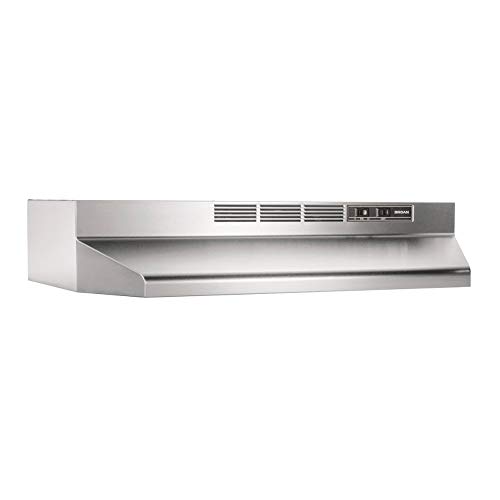
Although labeled for kitchen use, this non-ducted ductless range hood illustrates a common non-ducted filtration approach that labs can emulate for non-gas-phase solvent work. It features replaceable charcoal filtration for odor control and LED lighting for improved visibility. For lab applications, similar non-ducted configurations can be considered with appropriate filtration upgrades and professional evaluation of air exchange rates and filtration efficiency.
Broan-NuTone Non-Ducted Ductless Range Hood (30-Inch, White)
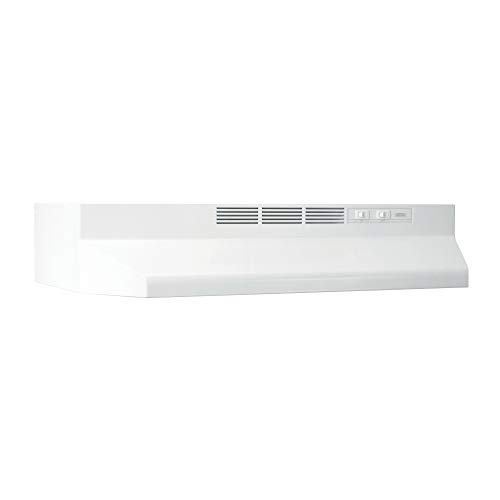
This white, non-ducted ductless hood demonstrates versatile integration for spaces needing improved air quality without ductwork. Features include LED lighting and a replaceable charcoal filter to maintain a cleaner environment. While primarily designed for culinary spaces, its filtration principles can inform lab-oriented substitutions, especially when evaluating maintenance frequency and replacement part availability for laboratory-grade air cleaning.
Buying Guide: Key Purchase Considerations And Comparisons
- Filtration vs. ducted exhaust: Non-ducted (ductless) hoods rely on internal or external filtration; ducted models exhaust fumes outside via a fan and ductwork. For volatile chemicals, ducted systems often provide stronger containment, while ductless units require high-quality filters and tighter enclosure.
- Size and opening width: Choose a hood with an opening sufficient for the workspace and task throughput. A larger opening improves access but increases heat and air handling demands. Balance footprint with required working space.
- Exhaust collar and ductwork: If opting for ducted operation, ensure compatibility with standard duct sizes (e.g., 4″ to 6″ exhaust collars) and assess the feasibility of external venting in your facility.
- Lighting and visibility: Integrated LED lighting improves task accuracy and safety. Verify brightness levels (lux) and diffuser quality to minimize glare on work surfaces.
- Containment accessories: Vinyl curtains or splash guards add containment for volatile substances. Confirm availability and cost of optional accessories when budgeting.
- Maintenance and filters: For ductless models, consider the filter type (activated carbon, HEPA equivalents), filter replacement intervals, and the ease of filter access. Replacement costs impact total cost of ownership.
- Power and installation: Check electrical requirements, mounting options, and whether professional installation is needed. Some units require external ducting or a compatible fan system for venting.
- Lifecycle and warranties: Compare warranties, service availability, and replacement part lead times. For labs, consider total cost of ownership over the hood’s expected lifespan.
- Compliance and safety standards: Ensure the hood meets local safety regulations and laboratory standards (e.g., chemical fume containment, occupational safety guidelines).
- Budget and scalability: Plan for current needs and potential expansions. A modular approach can simplify upgrades or replacements as workflows evolve.