When choosing a dual action hydraulic cylinder, look for robust construction, suitable bore and stroke, and a pressure rating that matches your application. This guide highlights five versatile options and explains who each is best for. The selections cover general industrial work, heavy lifting, and outdoor or rugged environments. Use this table to compare core specs at a glance:
| Product | Bore | Stroke | Rated PSI | |
|---|---|---|---|---|
| Double Acting Universal Hydraulic Cylinder — Wryxia | 2.0 in | 16 in | 2900 PSI (3600 PSI max) | General purpose industrial |
| 2.5×24 Hydraulic Cylinder — AMRAP HYDRAULICS | 2.5 in | 24 in | 2500 PSI | Robust machinery and presses |
| WEN Cross Tube Hydraulic Cylinder — WT-2026 | 2.0 in | 24 in | 3000 PSI | Heavy-duty outdoor or shop use |
| RHKING 1.5×6 Hydraulic Cylinder | 1.5 in | 6 in | 2320 PSI | Compact, high-thrust tasks |
| Kingway 1.5×12 Hydraulic Cylinder | 1.5 in | 12 in | 3000 PSI | Loader arms and precise movement |
Double Acting Universal Hydraulic Cylinder — Wryxia
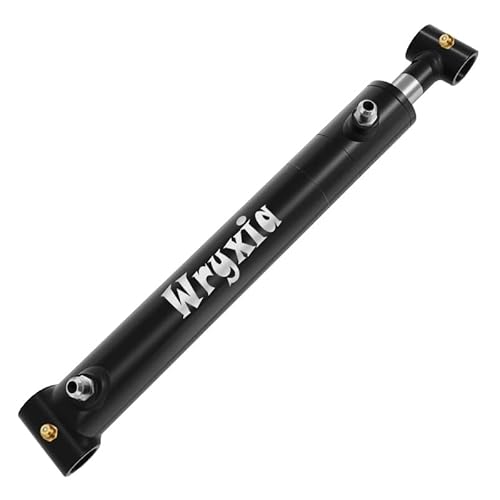
Best For: General-purpose industrial work and maintenance tasks where a versatile, high-pressure cylinder is needed. Suitable for a wide range of equipment due to its universal usage and chrome-plated rod for rust resistance.
Why selected: This model combines a solid 2900 PSI working pressure with a chrome-plated piston rod for durability. The dual-acting design supports both extension and retraction, making it a reliable all-around option for shop benches, presses, and assembly lines.
Limitations: Maximum pressure is 3600 PSI only at or below rated conditions; ensure your system isn’t pushing beyond the limit to avoid wear on seals.
2.5×24 Hydraulic Cylinder — AMRAP HYDRAULICS

Best For: Heavy-duty industrial machinery, presses, and material handling systems where long stroke and robust build are essential.
Why selected: With a 2.5″ bore and 24″ stroke, this unit offers substantial travel and force capacity. It uses a 3/8″ NPT port and tie-rod end design that is common in robust field equipment, making integration straightforward for many machines.
Caution: The long retracted length may affect installation space in tight enclosures; confirm available mounting geometry before purchase.
WEN Cross Tube Hydraulic Cylinder — WT-2026

Best For: Outdoor or workshop environments where rugged, welded construction is advantageous and a higher PSI rating is useful.
Why selected: The dual-acting design with a welded steel frame supports up to 3000 PSI, offering reliable performance for loader or workshop tasks that demand consistent force in both directions. The SAE-6 port makes hose connections straightforward for standard hydraulic setups.
Limitation: 2-inch bore and 24-inch stroke may be more than needed for small retrigger tasks; consider if space and travel match your project needs.
RHKING 1.5×6 Hydraulic Cylinder

Best For: Compact, high-thrust tasks in tight spaces such as small machinery, agricultural implements, and trailer setups.
Why selected: A compact 1.5″ bore with 6″ stroke delivers strong thrust (up to 4410 lbs) in a lightweight, fully welded body. The chrome-plated rod reduces rust risk, and 3/8″ JIC connectors provide versatile hose compatibility.
Limitation: Short stroke may require multiple cylinders or extended travel when handling longer loads; verify required travel length before installation.
Kingway Double Acting Hydraulic Cylinder — 1.5×12

Best For: Loader arms, bucket tilt, and steering linkages where precise stroke control and adequate push/pull force are required.
Why selected: This cylinder combines a 1.5″ bore with a 12″ stroke and 3000 PSI rating, delivering balanced capabilities for OEM replacement-style applications. The universal SAE #6 ports and 3/4″ pin holes facilitate installation without extensive modification.
Caution: When used in loader or heavy equipment, ensure mounting tolerances match OEM specifications to avoid misalignment or binding during operation.
Buying Guide: How To Choose A Dual Action Hydraulic Cylinder
What size and power do I need?
Start with bore and stroke requirements based on the load, travel, and available mounting area. A larger bore provides more force, while a longer stroke delivers greater travel. Match the cylinder’s rated PSI to the hydraulic system to avoid overworking seals or leaking.
What mounting options are necessary?
Common configurations include cross-tube, tie-rod, and clevis ends. Check pin hole size and attachment method (SAE ports, NPT, or JIC) to ensure compatibility with hoses, fittings, and mounting pads on your machine.
Where will it operate?
For outdoor or harsh environments, look for chrome-plated rods and welded construction to resist rust and impact. Consider corrosion resistance, seal materials, and the cylinder’s ability to withstand ambient conditions and temperature swings.
How important is installation space?
Measure the fully retracted and extended lengths, plus any mounting brackets. Longer retracted lengths can complicate installation in tight enclosures. Some models are better suited for retrofit replacements due to closer OEM match dimensions.
What maintenance or service considerations exist?
Choose cylinders with easily replaceable seals and widely available mounting accessories. Welded cylinders tend to be robust, but confirm the availability of compatible seals and service parts for your service life needs.
How do I compare options?
Use a side-by-side comparison of bore, stroke, PSI rating, and end connections. For applications requiring precise, repeatable movement, prioritize cylinders with predictable extension and retraction cycles and robust end fittings.
FAQs
- What is a dual action hydraulic cylinder?
- How do I know which bore size to choose?
- Are tie-rod and cross-tube cylinders interchangeable?
- What safety measures should I follow when using hydraulics?
- Can these cylinders be used with standard hydraulic hoses?
- What maintenance helps extend cylinder life?
A dual action cylinder can extend and retract under hydraulic pressure, producing force in both directions for lifting, pushing, or pulling tasks.
Choose bore size based on required thrust. A larger bore yields higher pushing and pulling force, suitable for heavier loads.
Not always. End fittings, mounting style, and overall length differ. Check OEM replacement compatibility or establish mounting geometry before swapping.
Always depressurize systems before disassembly, wear proper protective gear, and ensure secure mounting to prevent cylinder movement during operation.
Yes, if port fittings match the hose size and thread type (for example SAE #6 or NPT). Always confirm compatible fittings before installation.
Keep seals lubricated, check for leaks, and periodically inspect rods for scoring or corrosion. Replace damaged seals promptly to prevent further wear.