When you need to move diesel, water, or other non-potable liquids quickly and safely, a reliable diesel water transfer pump is essential. This guide highlights five top options and explains which buyers each model suits best. Ideal for DIY enthusiasts, small farms, off-grid setups, and maintenance teams, these pumps balance portability, power, and durability. The table below summarizes key choices to help you compare at a glance.
| Product | Best For | Power Source | |
|---|---|---|---|
| HASANEN Diesel Engine Water Pump | Farm irrigation and bulk transfer | Gasoline/Diesel engine | 40 m³/h |
| ReliaRoads Dual Power Fuel Transfer Pump | Shop, garage, job sites with existing batteries | Battery-powered (requires own batteries or tool batteries) | 3.2 GPM |
| BestCosy Electric Fuel Transfer Pump (Deep Orange) | Off-grid transfers and remote tasks | Battery-powered (2 D or 6 AA, not included) | 2.4 GPM |
| BestCosy Portable Transfer Pump (47″ Hose) | Immediate, portable fuel/water transfers | Battery-powered (2 D or 6 AA, not included) | 2.6 GPM |
| FIDISP Water Transfer Pump (115V) | Household and light industrial water moves | AC 115V | 5.5 GPM |
HASANEN Diesel Engine Water Pump

The HASANEN model is a diesel-powered pump designed for high-volume transfer tasks. It emphasizes durability with aluminum and die-casting construction and includes heat-dissipation features to sustain longer runs. Best for farms and irrigation projects where a diesel-powered unit can operate without electrical outlets.
Who it’s best for: users needing a rugged, diesel-driven pump for continuous operation in remote locations. Why selected: its robust build and strong flow capacity support demanding transfer jobs.
Caution: The unit relies on a diesel engine; ensure proper fuel handling and routine maintenance for optimal performance. The listed specifications emphasize flow and lift, but real-world results depend on fuel quality and environmental conditions.
ReliaRoads Dual Power Fuel Transfer Pump
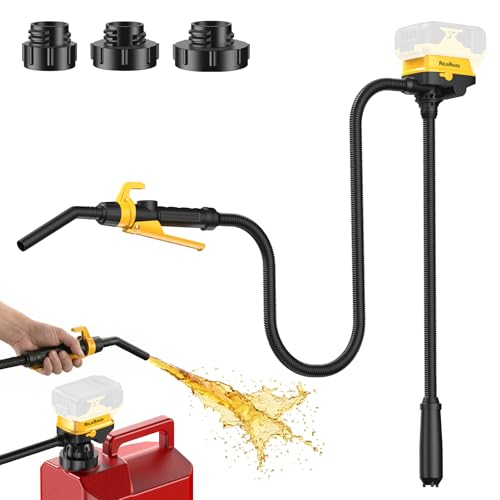
The ReliaRoads pump offers dual power compatibility, allowing operation with DeWalt 20V Max or Milwaukee 18V batteries. This makes it ideal for workshops, farms, and job sites where cordless tools are already in use. A built-in low-voltage protection system helps prevent battery damage.
Who it’s best for: professionals who already own compatible battery platforms and need a portable, cordless transfer solution. Why selected: the 22-inch suction tube reaches deep drums, reducing leftover liquid and increasing efficiency.
Caution: Battery compatibility means you must ensure you have the correct battery type and charge level for reliable performance. Battery not included in most listings.
BestCosy Electric Fuel Transfer Pump (Deep Orange)

This BestCosy model is battery-operated and designed for portability, offering up to 2.4 GPM transfer without requiring a power outlet. It supports diesel, gasoline, and water transfer to tanks and engines with a 47-inch hose for reach.
Who it’s best for: adventurers and remote job sites needing a compact, battery-powered transfer solution. Why selected: strong portability without sacrificing the ability to move significant volumes.
Caution: Requires the correct battery type (2 D or 6 AA). Battery availability can affect readiness in remote locations.
FIDISP Water Transfer Pump (115V)

The FIDISP pump is a 115V electric unit sized for household use, capable of moving up to 330 gallons per hour with a maximum head of about 42 feet. It features a durable metal construction and a built-in switch for safe operation.
Who it’s best for: homeowners and small shops needing a plug-in solution for draining pools, hot tubs, or light irrigation. Why selected: higher flow than typical hand-pump models and straightforward practical use.
Caution: Requires access to an electrical outlet and proper grounding. Suitable for non-potable liquids; avoid drinking water and edible oils.
Buying Guide: Key Purchase Considerations
- Liquid type and compatibility: Confirm whether the pump is designed for diesel, gasoline, water, kerosene, or other liquids. Some devices explicitly exclude edible oils or drinking water.
- Power source and availability: Choose between battery-powered (portable, cordless), diesel/gas engines (high endurance, but requires fuel), or mains-powered (stable but tethered to outlets).
- Flow rate and lift: Higher GPM or m³/h is useful for bulk transfers, but ensure the pump can lift to your required height and reach your container bottom.
- Portability and durability: For remote sites, lighter units with carry handles and weather-resistant housings are advantageous. Metal housings often offer longer life than plastic in rough environments.
- Hose length and diameter: Longer hoses improve reach; larger diameter hoses reduce throttling and increase flow. Ensure hoses are compatible with the liquids you plan to transfer.
- Safety and protections: Look for features like built-in switches, low-voltage protection, and anti-backflow valves to protect equipment and operators.
- Battery and power availability: If selecting battery-powered options, confirm battery type, availability, and charging needs for field work.
FAQ
- What is the best pump for transferring diesel without an outlet?
A battery-powered or engine-powered pump is best, depending on mobility needs and fuel access. Battery models offer portable operation, while diesel/gas engines excel in continuous use on-site. - Can these pumps handle water and diesel with the same setup?
Many models are multi-use but always verify the manufacturer’s liquid compatibility and any temperature or safety restrictions. - Is a longer hose always better?
Longer hoses improve reach but may increase resistance and reduce flow if the diameter is small. Match hose size to expected flow and distance. - Do these pumps require special maintenance?
Engine-based units require regular fuel and oil checks, while electric and cordless models need battery maintenance and occasional seal checks. - Are these pumps safe for emergency use?
Yes, many are designed for quick deployment in emergencies, provided you follow safety guidelines for venting, fueling, and handling liquids. - Which pump is best for off-grid camping?
Battery-powered portable pumps are ideal for off-grid use, offering fuel and water transfer without a mains connection.