Looking for reliable carbon monoxide and gas detectors to protect your home and loved ones? This guide highlights five top options, each best for different needs—plug-in power with backup, wall-mounted convenience, portable travel-ready units, and multi-gas detectors for comprehensive coverage. Whether you want a digital display, back-up battery, or a simple alert, these picks help you act quickly if CO or explosive gases are detected. The table below compares key strengths to help you choose the right detector for your living space and routines.
Summary of selected products:
- Kidde Carbon Monoxide + Explosive Gas Alarm — best for plug-in, power-outage protection, households needing combined CO and gas sensing.
- First Alert GCO1CN — best for versatile CO and explosive gas sensing with a backlit display.
- First Alert CO606 — best for plug-in with battery backup in a single-room setup.
- Kidde CO Detector with AA Battery Backup — best for travel or portable use with easy transfer between locations.
- TopTes Guard-101 — best for multi-gas monitoring in work or home environments with a long battery life.
Kidde Carbon Monoxide Plus Explosive Gas Alarm
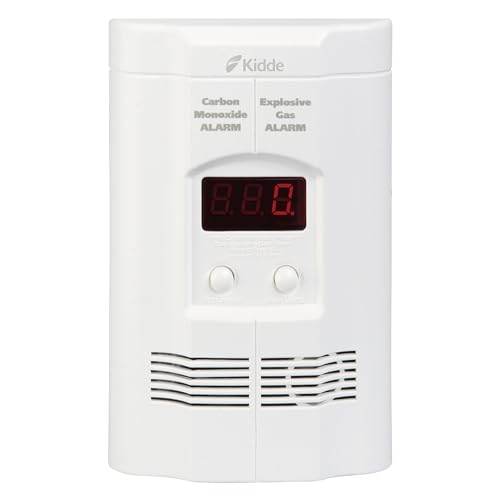
Best for: households that want a single plug-in unit with battery backup and a clear digital readout. This model plugs into a standard 120V outlet and includes a 9V battery backup for power outages, ensuring continuous protection. The digital LED display shows CO levels and displays “GAS” when explosive gas is detected, enabling quick interpretation of danger zones. Use this in living rooms, kitchens, or near sleeping areas where power interruptions are possible.
Why selected: its combination CO and explosive gas sensing covers multiple threat scenarios in one device. The LED readout provides immediate, at-a-glance status, which is helpful for quick assessment by family members and visitors. The 9V backup helps maintain protection during outages.
Limitations: like most plug-in detectors, it requires a powered outlet for primary operation, which may limit placement options in some rooms. Consider adding a second portable detector for rooms without outlets.
First Alert GCO1CN Combination Alarm

Best for: homes seeking a versatile, backlit digital display with high-contrast readings and remote-control-style muting options. This device senses propane, natural gas, methane, and carbon monoxide, making it suitable for kitchens or garages with potential gas exposure. The backlit display helps in dim rooms, and the unit’s remote-control compatibility (though not always included) supports easier management in larger homes.
Why selected: the inclusion of multiple gas sensing alongside CO improves emergency awareness in real-world layouts. A backlit display makes it easier to read levels at night or from across the room.
Limitations: not all homes will have a built-in remote control for muting; typical operation relies on manual tests and silencing. Verify placement to maximize visibility and minimize nuisance alarms in busy households.
First Alert CO606 Plug-In Detector
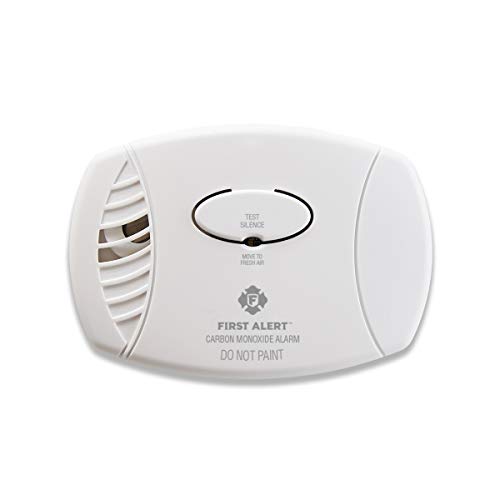
Best for: single-room protection with ease of use and battery backup during outages. The device plugs into a standard outlet and includes a backup battery, allowing continued CO detection even if a power failure occurs. Suitable for bedrooms or living areas where a reliable, always-on CO monitor is needed.
Why selected: the plug-in design with battery backup balances convenience and resilience. The 85 dB alarm is a clear alert, and the unit’s sensitivity to CO provides early warnings to evacuate promptly.
Limitations: it is primarily a CO detector and does not include dedicated gas-sensing for explosive gases. If you need gas-sensing as well, consider a multi-sensor model or pairing with another detector.
Kidde CO Detector With AA Battery Backup

Best for: portable CO detection during travel or temporary home setups where mounting isn’t ideal. This AA battery-powered unit detects CO and provides a backlit display with a loud alarm, making it suitable for hotels, apartments, or temporary lodging. It’s easy to move between locations as needed.
Why selected: the portable design supports flexible use without requiring outlets or permanent installation. It offers quick deployment for travelers or seasonal residents who need CO protection on the go.
Limitations: battery-powered units require battery management and replacement, which may lead to occasional maintenance. For continuous home protection, a plug-in model may be more convenient long-term.
Kidde CO Detector With 9V Backup And Digital Display

Best for: homes needing a plug-in CO detector with a reliable 9V backup and a clear digital readout. The unit’s rotating plug design makes it adaptable to various outlet configurations, including vertical or horizontal placements. The display helps track CO levels at a glance.
Why selected: the combination of digital display and rotating plug design provides straightforward installation and easy status checks. The 9V backup offers continued protection during outages, a key safety feature in basic home protection kits.
Limitations: check outlet compatibility in older rooms or densely furnished spaces, as bulky plugs can obstruct nearby outlets or furniture.
TopTes PT210S Gas Leak Detector

Best for: professionals and homeowners who need to locate gas leaks with a portable detector and a long probe. It measures gas leakage in Percent LEL (Lower Explosive Limit) and provides rapid visual and audible alerts. Ideal for inspecting around gas appliances, pipes, and hard-to-reach areas.
Why selected: the four-inch probe and portable design support precise leak location and easy transport. The dual notification system (visual and audible) aids in timely responses in busy environments.
Limitations: this detector focuses on gas leaks rather than CO monitoring. Use it alongside a CO detector for complete safety coverage in homes with gas appliances.
Buying Guide: How To Choose The Right CO And Gas Detector
What type of detector do you need?
Consider detector type: CO-only, gas-only, or combination devices. Combination units offer broader protection but may be larger or require more power. For many homes, a plug-in CO detector with battery backup plus a separate gas-leak detector in the kitchen or utility area covers common risk points.
Where should detectors be placed?
Place CO detectors on every level, near sleeping areas, and in utility rooms. Gas detectors should be near fuel-burning appliances, basements, or areas with potential gas lines. Avoid outlets behind furniture or drapes, as obstruction can delay alerts.
Power source and reliability
Plug-in detectors with battery backups provide continuous protection during outages. Battery-powered portable detectors are useful for travel or temporary spaces. If you have many rooms, consider a mix of plug-in and portable units for full coverage.
Readouts and alarms
Backlit digital displays help read CO levels quickly, especially at night. Loud alarms (85 dB or higher) are typical; some models offer silent or quiet modes. Ensure you can hear alarms clearly in bedrooms and living spaces.
Maintenance and lifecycle
Check replacement intervals for batteries and sensors, and keep spare batteries for backups. Some units require sensor replacements after a certain period; note the maintenance requirements when selecting products for long-term use.
Multiple perspectives
For households with multiple levels or large spaces, choose detectors with easy placement options and consider smart-home compatibility if you want remote alerts. In environments with frequent power outages, prioritize devices with reliable battery backup and low false-alarm rates.
Quick FAQ
- What is the difference between CO detectors and gas detectors? — CO detectors sense carbon monoxide, a colorless toxic gas, while gas detectors identify explosive or flammable gases like natural gas or propane.
- Can I use one detector for both CO and gas? — Some models combine CO and gas sensing in one unit; others pair a CO detector with a separate gas detector for broader coverage.
- Where should I place detectors for best protection? — Place CO detectors on every level and near sleeping areas; place gas detectors near appliances, gas lines, and potential leaks.
- Do detectors require maintenance? — Yes. Check batteries, test alarms regularly, and replace sensors as recommended by the manufacturer.
- What should I do if a detector alarms? — Evacuate if CO or gas is detected, call emergency services or your gas provider, and do not re-enter until the area is cleared.
- Are there portable CO detectors for travel? — Yes. Portable CO detectors run on batteries and can be moved between locations like hotels or rentals.