Choosing the right chlorine injection system for well water ensures safe, sanitary drinking water and helps control taste and odor. This guide highlights reliable options and key buying considerations, so you can compare pumps, sanitizer kits, and chlorine delivery Pellets. The selections below emphasize adjustable dosing, ease of use, and compatibility with well water setups.
| Product | Brand | Type | Key Benefit |
|---|---|---|---|
| Stenner Peristaltic Pump 85MJH2A2S | Stenner Pump Company | Peristaltic Injection Pump | Adjustable flow, high pressure, flexible tubing |
| WELL SAFE Well Sanitizer Kit | WELL SAFE | Sanitizer Kit | Disinfects wells, removes sulfur odor, easy DIY use |
| Precision Controls Diaphragm Metering Pump | Generic | Metering Chlorine Pump | High-precision dosing, up to 150 PSI |
| Better Water Industries C21044 Pellets | Better Water Industries | Chlorine Pellets | Ideal for automatic chlorinators |
| Chlorine Well/Pools Sanitizer Pellets (GBBC) | GBBC | Pellets | Versatile use with dry pellet chlorinators |
Below are five product profiles tailored for well-water chlorine injection, followed by a practical buying guide to help you choose the best system for your specific needs.
Stenner Peristaltic Pump 85MJH2A2S

The Stenner 85MJH2A2S peristaltic pump is designed for adjustable chemical dosing in well water systems. It supports a variable flow range from 0.8 to 17 gallons per day and up to 100 psi, making it suitable for chlorine injection applications where precise metering matters. The unit uses Santoprene tubing and standard tubing configurations, enabling reliable long-term operation with chlorine solutions. This pump is popular for its durability and straightforward maintenance in residential and light-commercial well setups.
WELL SAFE Well Sanitizer Kit
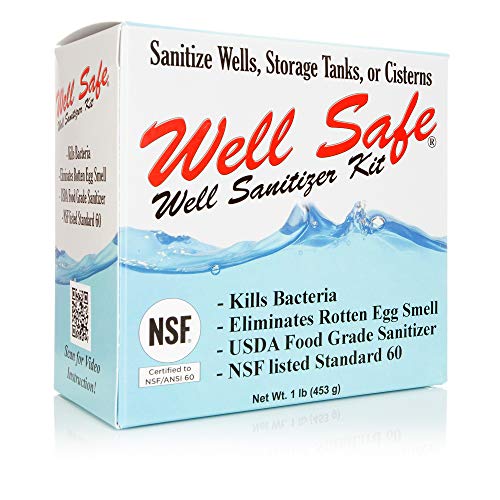
The Well Safe Well Sanitizer Kit focuses on disinfecting well water and minimizing rotten-egg odors by eliminating odor-causing bacteria. It provides simple, DIY instructions and offers a cost-effective approach compared with more complex filtration systems. The kit is designed for regular use (every few months) to maintain clean, palatable water without requiring professional service calls. It’s a practical option when odor and taste issues are the primary concern.
Precision Controls Diaphragm Metering Pump

This diaphragm metering chlorine pump provides reliable dosing for well-water chlorination. It offers a maximum of 31.6 gallons per day and up to 150 PSI, with a 115-volt power supply and an option for 230-volt hardwired setups. The pump is appropriate for dosing chlorine into a well system where stable, precise delivery is essential for maintaining disinfection levels without oversaturation.
Better Water Industries C21044 Pellets
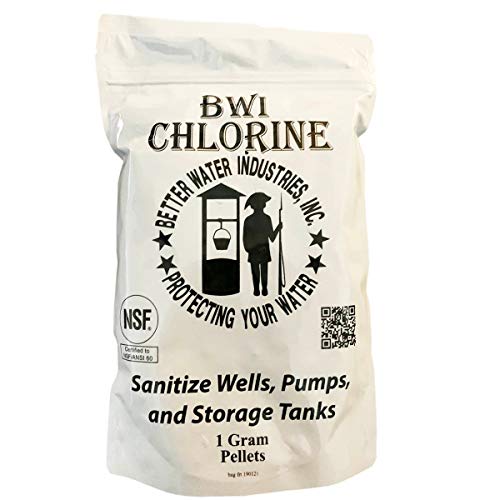
Better Water Industries’ chlorine pellets are designed for use with automatic chlorinators and various disinfection systems. They offer versatility across multiple applications, making them suitable for households that rely on automatic dosing or dry pellet chlorinators. The pellets support controlled disinfection while fitting into common well-water treatment workflows.
Chlorine Well/Pools Sanitizer Pellets (GBBC)

GBBC’s chlorine well and pool sanitizer pellets are designed for use with dry chlorinators such as the LAND-O-MATIC LP-3000 and similar systems. They’re also applicable for broader disinfection tasks in wells and ponds. The pellets provide a straightforward dosing option that complements automated chlorine feeders and well-water treatment setups.
Air Injection Iron, Sulfur, and Manganese Removal
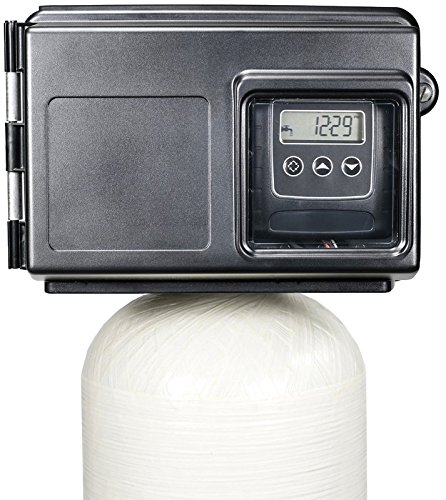
This system uses air-injection technology to address iron, sulfur, and manganese in well water. It is not a chlorine injection tool per se but can be part of a broader treatment approach where oxidation and filtration support disinfection and water quality improvement. It’s relevant for readers evaluating comprehensive well-water treatment options alongside chlorine dosing.
PRO+AQUA Heavy Duty Whole House Filter System

The PRO+AQUA system provides comprehensive filtration for whole-house well water, helping to reduce contaminants that can interfere with chlorine dosing and overall water quality. While primarily a filtration solution, it complements chlorine injection by protecting downstream fixtures and improving taste, odor, and disinfection efficacy. It’s suitable for larger households or higher water usage.
Injection Valve for 3/8″ Tubing

Injection valves are essential components in chlorine dosing systems, enabling controlled introduction of chlorine into the water line. This valve is compatible with 3/8″ tubing and includes a back-check feature to prevent backflow. It’s a practical addition to any chlorine injection setup where precise control over chemical feed is required.
Buying Guide: Key Considerations for Chlorine Injection Systems
- Dosing precision and control: Look for pumps with adjustable flow rates and reliable calibration to maintain target residual chlorine levels without overshooting. Features like diaphragm metering and peristaltic pumping offer consistent dosing across variations in water usage.
- System compatibility: Ensure the injector pump, tubing materials, and chlorine source are chemically compatible (e.g., Santoprene tubing for chlorine solutions). Check the system’s PSI rating to handle your well pressure and piping.
- Flow and pressure requirements: Assess your well’s flow rate and pressure. Higher GPD and PSI ratings support larger homes or higher chlorine demand, but avoid oversized units for small applications to prevent waste.
- Ease of installation and maintenance: Prefer modular kits with clear instructions, accessible service parts, and long-lasting components. DIY-friendly kits save time and money but ensure you have basic plumbing know-how.
- Safety and handling: Chlorine handling requires proper storage, ventilation, and protective measures. Select systems with clear safety guidelines and compatibility with standard disinfectants.
- Odor control and water quality benefits: Some kits target odor and taste improvements in addition to disinfection, offering broader water-quality benefits suitable for wells with sulfur odors or metal contaminants.
- Maintenance intervals: Regular sanitization or pellet replacement schedules influence ongoing costs and water quality. Choose systems with predictable maintenance plans that align with your usage.
- Warranty and support: Durable components and responsive customer support help address part replacements and troubleshooting, especially for plumbing in harsh well environments.
- Installation footprint: Consider space availability under sinks or in basements. Compact pumps and slim filter housings suit limited spaces, while larger whole-house systems suit higher demand.
- Certifications and compliance: Look for equipment meeting relevant safety and water-quality standards. Certification can indicate reliability and suitability for potable water.
When selecting a chlorine injection setup, weigh the needs of your well, household size, and maintenance preferences. A combination of a precise dosing pump, compatible chlorine source, and an appropriate delivery mechanism will deliver reliable disinfection and improved water quality for American homes.