Buying the right chemical feed pump is essential for precise dosing in water treatment. This guide highlights five compact, reliable options suited for home to small-scale commercial applications. The best fits vary by voltage, pumping capacity, and compatibility with chlorine or other treatment chemicals. Ideal buyers include DIY water-treatment enthusiasts, pool and pond managers, and small facility operators who need consistent, low-maintenance dosing and easy installation.
Summary of selected products:
| Product | Brand | Key Feature | Best For |
|---|---|---|---|
| Precision Controls Diaphragm Metering Chlorine Chemical Water Pump – 31.6 GPD, 150 PSI – 115 Volt | Generic | 31.6 GPD, 150 PSI, 115V | Home or small pool chemical dosing |
| Hayward AC035 Peristaltic Chemical Feed Pump Replacement | Hayward | Replacement for HCC2000-CP controller | Existing Hayward systems |
| Precision Controls Diaphragm Metering Chlorine Pump – 31.6 GPD, 150 PSI – 230 Volt | Generic | 31.6 GPD, 150 PSI, 230V | Hardwired 230V setups |
| PONDMASTER Danner Guard Water Pump Maintenance Solution | PONDMASTER | Scale/detritus remover for pond pumps | Pond maintenance stopgap |
| Precision Controls Diaphragm Metering Chlorine Pump – 63.36 GPD, 75 PSI | Generic | 63.36 GPD, 75 PSI | Higher dosing for larger small-scale systems |
Precision Controls Diaphragm Metering Chlorine Pump, 31.6 GPD

Best for small-volume chlorine dosing in 115V circuits. This diaphragm pump delivers up to 31.6 gallons per day and operates at up to 150 PSI, making it suitable for residential pool or home-water-treatment needs. Chosen for its straightforward installation with standard 115V power and the option to hardwire to 230V if needed. Suitable for buyers prioritizing a compact, plug-in solution with clear performance specs.
Who it’s best for: homeowners and DIY enthusiasts dosing chlorine in small systems. Caution: ensure proper chemical compatibility and venting when used with aggressive disinfectants.
Hayward AC035 Peristaltic Chemical Feed Pump Replacement

Best for upgrading or servicing an automated water-chemistry controller. The Hayward AC035 is a peristaltic pump replacement designed to fit the HCC2000-CP controller, ensuring compatibility with established systems. Chosen for its reliability in automated dosing and ease of installation for users maintaining existing Hayward setups.
Who it’s best for: operators with a Hayward HCC2000-CP controller seeking a compatible replacement. Caution: intended as a replacement part; verify compatibility with your controller model before purchase.
Precision Controls Diaphragm Metering Chlorine Pump, 63.36 GPD

Best for higher dosing needs within a compact 115V plug-in package. The 63.36 GPD rating at 75 PSI makes this a better fit for mid-sized home systems or small commercial setups requiring stronger chlorine feed. Selected for its clear compatibility with standard control configurations and ease of integration.
Who it’s best for: users scaling up from 31.6 GPD models while keeping a simple plug-in design. Caution: dosing accuracy depends on correct tubing and controller calibration.
Stenner Metering Pump, 17 GPD, 100 PSI
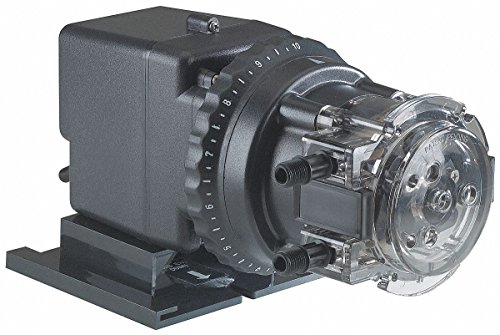
Better for compact dosing in tighter spaces or when a low-flow, stable metering pump is needed. The Stenner 17 GPD pump supports up to 100 PSI and is designed for peristaltic flow with reliable self-priming characteristics. Chosen for its small footprint and solid performance in small-volume chemical dosing.
Who it’s best for: compact installations or backup dosing where space is limited. Caution: lower GPD may require longer runtimes for larger dosing tasks.
CONQUERALL 2-Pack DC 5V Peristaltic Pumps

Best for small, low-voltage metering needs and lightweight setups. These two micro pumps run on DC 5V and offer self-priming operation with high flow stability, suitable for precise liquid transfer in small systems or experimental setups. Selected for value and compact form factor in tandem pumps.
Who it’s best for: hobbyist projects or small-volume dosing where power constraints exist. Caution: low voltage means compatibility with dedicated controllers or drivers; ensure proper electrical safety and correct tubing fit.
Buying Guide
- Volume needs: Match GPD (gallons per day) and PSI to your system’s dosing requirements. If you require higher flow, consider models rated above 50 GPD; for small-scale dosing, 17–31 GPD units may suffice.
- Voltage and wiring: Determine whether a plug-in 115V unit is preferable or if a hardwired 230V setup is necessary. There are options that support both, but wiring should comply with local electrical codes.
- Control compatibility: If you already use a specific controller (like Hayward HCC2000-CP), choose a pump designed for that controller or a compatible replacement to avoid integration issues.
- Chemical compatibility: Confirm that the pump materials (diaphragm, tubing, seals) are compatible with the chemicals being dosed, especially chlorine and other sanitizers that can be aggressive.
- Installation footprint: Consider space constraints. Some pumps are compact plug-in units, while others are larger hardwired configurations.
- Maintenance considerations: Pumps with clear tubing paths or easily replaceable diaphragms and seals reduce downtime. Peristaltic pumps generally offer straightforward service.
- Reliability and accessories: Look for included features such as spare tubing, fittings, or easy-prime operation. Replacement parts for popular models may simplify long-term upkeep.
FAQ
- What is a chemical feed pump best used for in water treatment?
They provide regulated dosing of sanitizers and conditioning chemicals to maintain proper water chemistry in pools, ponds, and small treatment systems.
- What does GPD indicate in pump specs?
GPD (gallons per day) indicates the maximum daily dosing capacity of the pump under specified conditions.
- Should I choose a plug-in or hardwired pump?
Plug-in pumps are easier to install and migrate, while hardwired units can be more reliable in permanent installations and may support higher voltages for larger systems.
- How important is compatibility with control systems?
Very important. Mismatches can cause dosing instability or controller-sensor conflicts. Prefer models designed for your controller if possible.
- Are peristaltic pumps always better for chemical dosing?
Peristaltic pumps are popular for chemical dosing due to gentle, self-priming operation and tubing wear resistance, but diaphragm pumps can offer higher pressure and flow where needed.
- What maintenance steps should I plan?
Regularly inspect tubing and diaphragms, replace worn parts, verify calibration, and ensure seals remain chemically compatible with the chosen liquids.