Choosing the right carbon steel ball valve depends on your operating pressure, connection type, and environment. This guide highlights five durable options ideal for water, oil, and gas systems, with practical tips for buyers. The top picks balance hard-wearing construction, secure seals, and straightforward installation. Suitable buyers range from DIY homeowners upgrading pipelines to professionals outfitting industrial setups.
| Product | Brand | Connection | Best For |
|---|---|---|---|
| U.S. Solid 1″ Ball Valve | U.S. Solid | 1″ Female NPT | High-pressure, industrial or home retrofit |
| Dynaquip Controls 1/2″ Ball Valve | Dynaquip Controls | 1/2″ SAE x SAE | Compact, lever-operated control |
| Generic 1/2″ FNPT Ball Valve | Generic | 1/2″ FNPT | High-pressure applications up to 2000 psi |
| Inline Ball Valve 3/4″ Carbon Steel | Generic | 3/4″ Female NPT | High flow with stainless RTFE seat |
Best 1-Inch Carbon Steel Ball Valve For Heavy Duty Use
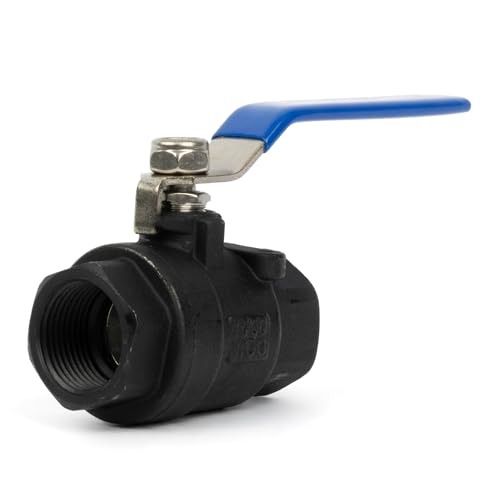
The U.S. Solid 1″ Ball Valve is built for heavy-duty service with a carbon steel body and full-port flow. It uses 1″ female NPT connections for easy inline installation in existing piping. The carbon fiber seals add high-temperature tolerance and wear resistance, helping minimize maintenance in demanding environments. This valve is best for professional plumbing and industrial systems where high pressure and robust construction are priorities.
Best for: Industrial lines, high-stress water, oil, or gas applications requiring a secure seal and durable body.
Note: Look for compatibility with your exact piping standards and ensure proper torque on NPT connections to prevent leaks.
Dynaquip Controls 1/2″ Ball Valve With Lever

Dynaquip Controls offers a carbon steel ball valve with a lever handle and 2-piece body design. Its compact 1/2″ size suits smaller lines or localized shutoff points in more complex plumbing. The choice is better for tight spaces or service points where a quick, manual turn is needed, while maintaining robust carbon steel construction for reliability.
Best for: Small-diameter lines, quick shutoff tasks, and installations where space is limited. Caution: Verify the valve’s pressure rating fits your system, as smaller sizes often have lower maximums than larger valves.
1/2-Inch Carbon Steel FNPT Ball Valve With SS 316 Ball
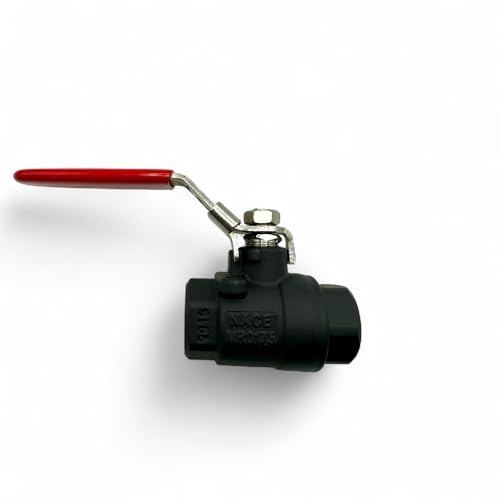
This valve features a weld-sealed body and a corrosion-resistant SS 316 ball and stem. Its NACE compatibility and RTFE seat provide reliable performance in demanding fluid services. The robust seal welded construction reduces leak paths, making it suitable for critical piping runs in industrial settings.
Best for: High-pressure, high-purity, or corrosive environments where a secure seal and corrosion resistance matter. Caution: The 1/2″ size may require careful routing to maintain flow efficiency at high pressures.
Inline Carbon Steel Ball Valve 3/4″ With RTFE Seat

The Inline Ball Valve combines a 3/4″ female NPT connection with a carbon steel body and SS316 RTFE seating. This configuration supports high flow and reliable sealing in water or non-corrosive gas lines. It’s best for medium-scale installations where robust metal construction and a corrosion-resistant seating system are priorities.
Best for: Medium-sized pipelines needing durable, high-flow performance with a trustworthy seal. Caution: Ensure compatibility of the RTFE seat with the media in your system, as some chemicals may affect seal longevity.
Buying Guide: Carbon Steel Ball Valves
What to consider when selecting a carbon steel ball valve:
- Connection type and size: Align with your piping—FNPT, NPT, SAE, or other standard fittings determine ease of installation and leak risk.
- Pressure rating: Match the system’s operating pressure. Higher-rated valves perform better under surge loads and industrial scenarios.
- Seal material and seating: RTFE seats offer good chemical resistance and sealing; consider SS316 or carbon fiber seals for high temperature or abrasive media.
- Body and stem material: Carbon steel bodies provide strength; stainless steel components resist corrosion in aggressive environments.
- Port size: Full-port valves minimize pressure drop; standard-port valves may be more economical for lower-flow applications.
- Maintenance and accessibility: Lever handles offer quick shutoff; valve position indicators can help in complex piping networks.
Buying considerations by user type:
- For DIY homeowners: Look for standard FNPT connections and straightforward installation. Choose a valve with a secure seal system and a clear handle mechanism for easy operation.
- For professionals: Prioritize high-pressure ratings, corrosion resistance, and full-port design options for optimal flow in industrial pipelines.
- For space-constrained installations: Compact 1/2″ or 3/4″ valves with lever controls can fit tighter piping layouts while still delivering robust performance.
Frequently Asked Questions
- What is a carbon steel ball valve best used for?
They are suited for high-pressure water, oil, and gas lines where durable construction and reliable shutoff are required.
- Why choose a valve with SS316 ball and stem?
SS316 offers superior corrosion resistance, helpful in aggressive fluids or saline environments.
- What does full-port mean and why does it matter?
A full-port valve provides maximum internal bore, reducing flow resistance and pressure drop.
- Are 1/2″ valves strong enough for industrial use?
Yes, when rated for appropriate pressure and built with robust materials, 1/2″ valves can handle demanding tasks in tight spaces.
- What should I check before installation?
Confirm thread type, swing direction, and pressure rating; ensure compatible media seals to prevent leaks.
- Is a 3/4″ valve suitable for high-flow applications?
Often, yes, especially when paired with a high-flow seating and sturdy construction; verify system requirements first.