Brazing rods with flux simplify metal bonding for everyday repairs and DIY projects. This guide highlights five reliable options suitable for common metals like steel, copper, cast iron, and aluminum. Each product is chosen for ease of use, flux integration, and suitability for typical home workshops. The best fit varies by project type and required metal compatibility. Read on to see which rods match your needs, from quick fixes to more durable joints.
Summary of selected products
| Product | Best For | Material Coverage | Notes |
|---|---|---|---|
| Bernzomatic Bronze Flux-Coated Brazing Rods | General repairs on steel, cast iron, copper | Bronze alloy | Flux-coated, easy to use |
| Vouyar 20 Sticks Flux Coated Brazing Rods | A wide range of cross-metal brazing work | BCuP-5 class copper/phos brazing | AWS A5.8 Class BCuP-5 compliant |
| ouwinway All Metal Flux Core Brazing Rods | Versatile all-metal repairs | Flux-core alloy rods | Flux core design, propane torch friendly |
| SÜA RBCuZn-C Low-Fuming Bronze Brazing Rods | Low-fuming, durable joints | Bronze bronze-copper alloy | Low fuming, good machinability |
| Fox Alloy 40 Pcs Brass Brazing Rods | Phos-copper brazing for multiple metals | Phosphor-brass alloy | Self-fluxing, broad compatibility |
Bernzomatic Bronze Flux-Coated Brazing Rods

Reference features: Easy to use; Highly durable product; Manufactured in United States.
Best for: Home repairs on steel, cast iron, and copper where straightforward, flux-coated brazing is desired. This option suits DIYers seeking reliable, ready-to-use rods for common metal joints. The flux coating aids wetting and bonding, improving joint strength in everyday projects.
Why selected: Simplicity and domestic availability make this a go-to for quick fixes. It minimizes prep steps, which helps beginners and owners of small workshops get durable joints with minimal fuss.
Limitations: Data does not specify exact aluminum compatibility; avoid this for aluminum-only tasks unless tested with appropriate torches and alloys.
Vouyar 20 Sticks Flux Coated Brazing Rods
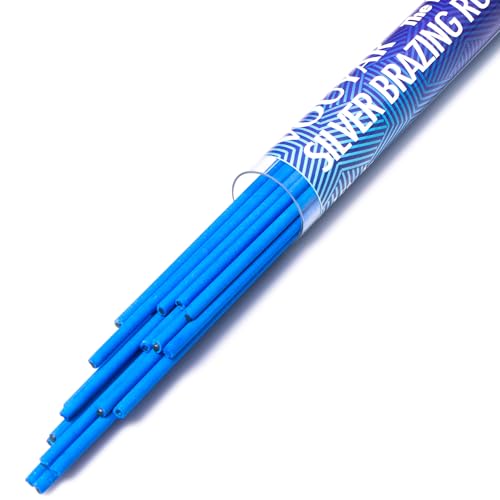
Reference features: Strict adherence to AWS A5.8 Class BCuP-5; Flux coating for cross-metal brazing; All-in-one solution for immediate use; High-quality flux coating promotes wetting & bonding.
Best for: Projects requiring reliable copper-phosphor brazing across different metals. This set is well-suited for HVAC work, refrigeration, and cold storage repairs where precise brazing of copper-to-metal joints is common.
Why selected: The AWS A5.8 Class BCuP-5 alignment signals industry-standard compatibility for brazing copper-based joints, offering predictable flow and bonding in mixed-metal assemblies.
Limitations: Its wide applicability may be less ideal for aluminum-only repairs where dedicated aluminum brazing rods perform better.
ouwinway All Metal Flux Core Brazing Rods

Reference features: Versatile all-metal repair; Built-in flux core; Works with standard propane torch; Reduces need for separate flux paste.
Best for: DIYers who want a single-package solution for repairs across steel, copper, brass, and more. The flux-core design makes it friendly for beginners and mobile workshops.
Why selected: The integrated flux core simplifies the brazing process, enabling quicker setup and cleaner joints without extra flux handling or mess.
Limitations: May not be ideal for aluminum repair where aluminum-specific rods or different flux chemistries perform better.
SÜA RBCuZn-C Low-Fuming Bronze Brazing Rods

Reference features: Flux-coated low-fuming bronze; Joins ferrous and non-ferrous metals; Low melting point around 1630°F; Suitable for building up wearing surfaces; Clear note about rod quantity per pound on image.
Best for: Machine shop and workshop tasks where reducing fumes is important and joints involve copper alloys, carbon steel, or stainless components.
Why selected: The low-fuming characteristic helps in indoor environments with less ventilation, while still delivering dependable braze deposits on diverse metals.
Limitations: The product notes warn to verify quantity per pound; the main image may not reflect exact packaging quantities.
Forney 48490 Flux Coated Bronze Brazing Rod

Reference features: 3/32-inch by 18-inch; Easy to use; Manufactured in China.
Best for: Basic bronze brazing tasks in a small shop, ideal for simple repairs on copper and brass joints where convenient rod size matters.
Why selected: A compact option with straightforward usage for common brazing tasks, suitable for beginners and hobbyists.
Limitations: Explicit manufacturing origin is noted; verify local availability and any regional handling differences.
Buying Guide: Key Considerations For Brazing Rods With Flux
What metals will you join?
Identify whether you mainly join steel, copper, brass, cast iron, or aluminum. Some rods are designed specifically for copper-phos combinations, while others are flux-core or low-fuming bronze suited for mixed-metal joints. For aluminum, select rods labeled for aluminum and compatibility with your torch type.
Flux coating vs. flux-core
Flux-coated rods have flux already on the surface, simplifying handling. Flux-core rods include flux inside the rod, enabling cleaner external surfaces and less mess. Flux-core designs can be easier for beginners and small workshops.
Fume considerations
Low-fuming formulas reduce indoor fumes, making them preferable for enclosed spaces without heavy ventilation. If fume control is a priority, choose a low-fuming bronze option or flux-core rods advertised as low emission.
Rod size and format
Rod diameters and lengths affect heat transfer and control. Common sizes include 1/16, 3/32, and 1/8 inch diameters, with lengths around 12–18 inches. Smaller diameters are easier for delicate joints; larger ones cover wider gaps and thicker materials.
Application scope
Some products target general repairs, others emphasize cross-metal compatibility, and some are optimized for HVAC or plumbing contexts. Match your project scope to the rod’s alloy composition and recommended usage.
Environmental and safety notes
Work in a ventilated area and use appropriate eye and skin protection. Follow manufacturer guidance for temperatures and torch settings. Keep rods away from moisture to avoid oxidation before use.
Practical tips for beginners
- Prep joints by cleaning and drying surfaces for best flow.
- Practice on scrap metal to gauge heat input and flux behavior.
- Use flux as needed to improve wetting on difficult joints.
Best practice comparison at a glance
- Best for quick home repairs: Bernzomatic Bronze Flux-Coated Rods.
- Best for copper-heavy, cross-metal work: Vouyar flux-coated rods.
- Best all-metal simple kit: ouwinway flux-core rods.
- Best for low fumes and diverse metals: SÜA RBCuZn-C bronze rods.
- Best value for brass/phos-copper work: Fox Alloy brass rods.
Frequently Asked Questions
- What is flux and why is it used in brazing rods?
Flux helps clean and protect the joint by removing oxides and promoting wetting of the molten filler metal. - Can I use brazing rods for aluminum repairs?
Yes, but use rods specifically designed for aluminum and compatible flux, as aluminum requires different alloys and heat control. - What torch settings work best for brazing rods?
Use a handheld propane/MAPP torch with a steady flame; adjust heat to melt the filler without overheating base metals. - Are flux-coated rods easier for beginners than flux-core rods?
Flux-coated rods can be easier to handle, but flux-core rods simplify the workflow by removing extra flux application steps. - How do I choose the right rod diameter?
Smaller diameters are better for delicate joints; larger diameters help fill larger gaps and thicker sections. - Is low-fuming brazing safer for indoor use?
Low-fuming formulas reduce smoke; always ensure proper ventilation when brazing indoors.