TIG welding demands a clean, inert atmosphere to produce stable arcs and high-quality welds. Argon is the go-to shielding gas for most TIG processes because it provides excellent arc stability and a flawless weld appearance. This guide highlights the best argon-focused options, including 100% argon tanks and 75% argon blends, along with reliable regulators and flow meters to help you pick a gas setup that matches your metal type and welding thickness. Below is a quick comparison table of the five highlighted products to help you decide at a glance.
| Product | Special Note | ||
|---|---|---|---|
| PrimeWeld 100% Argon Gas Tank | 100% Argon | 40 CF | DOT 3AA; ready to use; door-to-door delivery |
| PrimeWeld 75% Argon 25% CO2 | Argon/CO2 Mix | 125 CF | Ideal for MIG; cost-effective blend |
| RX WELD Argon Regulator Flowmeter | Gas Regulator/Flowmeter | NA | CG A-580 compatible; adjustable 10–60 CFH |
| 40 CF Argon Cylinder (Weldfabulous) | 100% Argon | 40 CF | DOT/ISO compliant; full cylinder |
| Yeswelder Argon/CO2 Regulator Flow Meter | Regulator/Flow Meter | NA | CGA-580 compatibility; 0–60 CFH flow |
PrimeWeld 100% Argon Gas Tank For TIG Welding
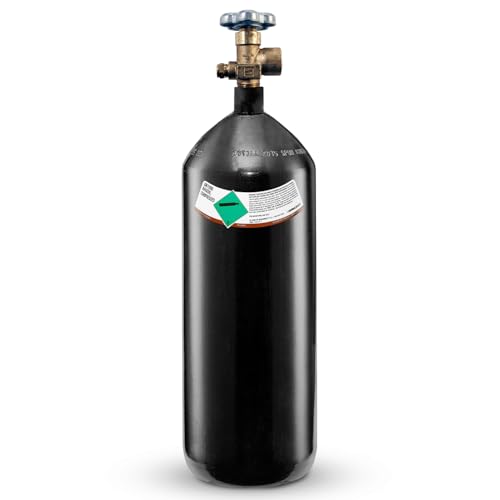
The PrimeWeld 100% Argon gas cylinder is delivered full and ready for immediate TIG use. It arrives certified as DOT 3AA and date-stamped for 10 years of traceability, removing the hassle of refills or certification questions. Argon gas provides a completely inert shield, helping to keep the weld environment stable and the arc controllable. This option is particularly suitable for users who require pure argon without additives for clean, precise TIG welds on thin materials or aluminum.
PrimeWeld 75% Argon 25% CO2 Bottle 125CF

This gas blend combines argon with CO2 to deliver a versatile MIG welding shield that balances arc stability with cost efficiency. While not a pure argon shield, the 75/25 mix is widely used for mild steel MIG applications and can also support TIG processes with appropriate control. The cylinder arrives full and certified (DOT 3AA) with a long-dated hydrostatic certification, helping to minimize interruptions in production schedules.
RX WELD Argon Regulator Flowmeter

The RX WELD regulator offers CGA-580 compatibility and multiple outlet options to fit a range of connections, including 9/16″ x 18 and 5/8″ x 18 fittings. It provides an accurate flow gauge and adjustable flow from 10 to 60 CFH, allowing precise control for TIG welding. Brass construction and robust design make it a durable addition for professional shops and home garages alike, ensuring reliable shielding gas control across welding sessions.
40 CF Argon Cylinder Tank (Weldfabulous)

Weldfabulous offers a 40 cubic foot cylinder of 100% argon, certified and ready for TIG use. The cylinder is listed with a ten-year hydrotest date stamp and adherence to DOT/ISO regulations, providing confidence in safety and reliability for regular TIG welding operations. This option is well-suited for hobbyists and small shops seeking a compact, compliant argon supply with long service life between refills.
Weldfabulous 125 CF 75% Argon 25% CO2 Tank
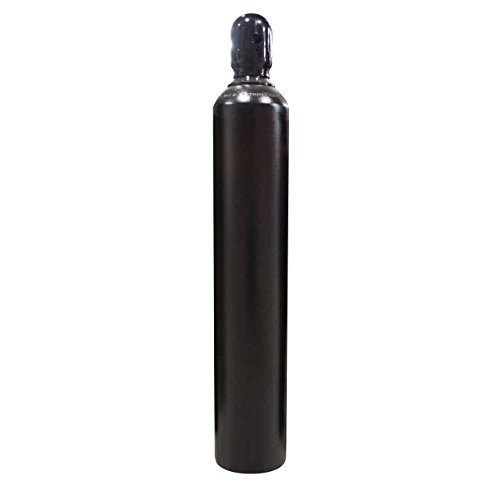
This larger Weldfabulous cylinder contains a 75/25 argon/CO2 mix suitable for MIG welding and compatible with TIG setups under proper gas control. The cylinder is listed as full and ready for use and carries the same DOT/ISO regulatory compliance, ensuring safe handling and transport. It provides a balance of shielding performance and gas volume for higher-volume shops and longer projects.
Yeswelder Argon/CO2 Regulator Flow Meter

The Yeswelder regulator offers CGA-580 compatibility with multiple outlet options, enabling the use of Argon and Argon/CO2 tanks with MIG and TIG welding. The flow gauge reads 0–60 CFH, and the regulator includes a 1/4″ barbed fitting for versatile connections. It is designed to deliver stable gas flow with a clear, easy-to-read gauge for precise shielding during welds.
Buying Guide: Key Purchase Considerations For TIG Shielding Gas
When selecting argon gas for TIG welding, consider the following factors to optimize weld quality and cost efficiency:
- Gas purity and composition: 100% argon is ideal for most aluminum TIG work and thin-section steels, providing a stable, inert shield. Blends like 75% argon with CO2 are common for MIG but can be used in TIG with caution depending on alloy and thickness.
- Cylinder size and life: Smaller cylinders (e.g., 40 CF) are easy to handle and ideal for hobbyists, but require frequent changes. Larger cylinders (125 CF and up) suit production environments with daily TIG welding needs.
- Certification and safety: Look for DOT/ISO-compliant cylinders and long hydrotest dates to ensure safe transport and storage, reducing the risk of regulatory issues.
- Regulator compatibility: A regulator that fits CGA-580 tanks and offers precise control (10–60 CFH) helps maintain a stable arc and reduces spatter, especially on thin sections.
- Delivery method: Home-delivery gas services offer convenience, especially for standalone welders or limited access to local suppliers. Ensure the service supports return or refill policies that fit your workflow.
- Application alignment: For TIG applications, prioritize 100% argon; for MIG tasks that also require TIG compatibility, choose blends carefully and verify if your machine tolerates mixed gas shielding for the specific material.
- Cost of gas and refills: While pure argon tends to be more expensive per volume, the improved weld quality can justify the cost for critical projects. Compare cylinder prices, refill policies, and any rental fees.
- Storage and handling: Corrosion resistance, valve protection, and safe storage away from heat and moisture contribute to longer cylinder life and safer usage.
In choosing the right argon-based shielding gas for TIG welding, weigh purity, cylinder size, regulator accuracy, and the specific metal you are welding. The options listed above span pure argon tanks and reliable regulators to blend-based supplies, offering solutions for hobbyists and professional shops alike. Always verify that your welding machine and gas setup are compatible with the chosen gas composition to achieve the best arc stability and weld appearance.