Air operated water pumps are ideal for dry-running tolerant transfer of water, oils, and light chemicals without electricity. This guide highlights five reliable options, detailing who they’re best for and where to use them. The top picks emphasize durability, ease of use, and compatibility with standard piping. Suitable buyers include industrial technicians, workshop operators, and DIY professionals who need portable, air-powered pumping without electrical sparks.
| Product | Inlet/Outlet | Max Flow | Max PSI |
|---|---|---|---|
| PEAYLI QBK_40L | 1-1/2 in | 44 GPM | 115 PSI |
| VEVOR 2 Inch | 2 inch | 158.4 GPM | 120 PSI |
| VEVOR 35 GPM | 1 inch | 35 GPM | 114 PSI |
| VEVOR 1/2 Inch Cast Iron | 1/2 inch | 8.8 GPM | 115 PSI |
| FAHKNS 1/2 Inch | 1/2 inch | 12 GPM | 115 PSI |
PEAYLI Air Operated Diaphragm Pump QBK_40L — 44 GPM, 115 PSI
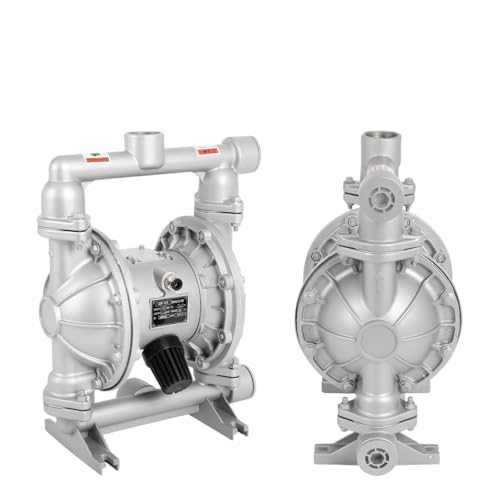
Best for high-flow water and light oil transfer where reliability is critical. The pump uses an aluminum alloy housing with a full-bolted construction for a strong seal, and inputs/outputs sized at 1-1/2 inches. Maximum head reaches about 226 feet, with a flow up to 44 GPM. It operates within 29–115 PSI and tolerates temperatures up to 150 °F. This makes it suitable for workshop or light industrial transfer tasks where oil, water, or similar liquids are handled. A noted limitation is its all-metal construction, which may require careful handling around sensitive materials.
- Best for: High-volume water or light oil transfer in workshops.
- Why selected: Strong seal, durable aluminum housing, and wide compatibility with standard fittings.
- Caution: Submerged operation is possible, but ensure fittings are tight to prevent leaks.
PEAYLI QBK-15 1/2″ Outlet — 12 GPM

Best for smaller-scale transfers or tight spaces where a compact unit is advantageous. The QBK-15 features a 1/2 inch inlet/outlet and a maximum flow around 12 GPM with up to 115 PSI. The materials include cast iron, aluminum, and stainless steel variants, and diaphragms combine PTFE with nitrile components. It’s suitable for chemical wastes, oils, and similar fluids but may be less ideal for very viscous liquids due to its smaller port size.
- Best for: Tight spaces or lower-volume transfers.
- Why selected: Compact footprint with solid diaphragm materials for chemical resistance.
- Caution: Check seals and necessary fittings to avoid leaks in hard-to-reach areas.
VEVOR 2 Inch Inlet — 158.4 GPM

Best for large-volume static-fluid transfers or scenarios demanding significant head and throughput. This VEVOR model uses aluminum alloy housing with full-bolted construction, and dual PTFE diaphragms for corrosion resistance. Max flow hits 158.4 GPM at up to 120 PSI, with a head lift of about 276 feet. The 2-inch ports align with larger piping systems, making it suitable for industrial or facility-scale transfer tasks. Caution: Heavier unit; may require more robust mounting and air supply.
- Best for: Industrial-scale or high-flow transfers.
- Why selected: Highest flow among listed options; rugged build.
- Caution: Heavier; ensure proper mounting and air supply capacity.
VEVOR 35 GPM — 1 Inch Inlet

Best for medium-scale fluid transfer where solid, reliable performance is needed without excessive bulk. The 35 GPM model uses an aluminum alloy body with triple-layer diaphragms for wear resistance. It provides up to 114 PSI and 35 GPM flow, with standard 1-inch ports. Suitable for diesel, grease, kerosene, and low-viscosity oils. Limitation: Lower maximum flow compared to the 2-inch variants, so choose this if space and weight are priorities over throughput.
- Best for: Medium-volume transfers in compact installations.
- Why selected: Balanced size, flow, and durability.
- Caution: Ensure compatibility with the specific oil or fluid’s viscosity.
FAHKNS 1/2 Inch — 12 GPM

Best for versatile fluid handling with mixed material compatibility. The FAHKNS pump features a 1/2 inch inlet/outlet with a 0.32 inch gas nozzle. Maximum flow about 12 GPM and maximum 115 PSI. Construction involves cast iron, aluminum, and stainless steel options, with diaphragms consisting of PTFE and Buna-N variants. This makes it suitable for petroleum, diesel, grease, and low-viscosity fluids, but users should verify chemical compatibility with specific fluids.
- Best for: Flexible material compatibility in small to mid-scale tasks.
- Why selected: Wide material options for varied fluids.
- Caution: Material compatibility must be confirmed for aggressive chemicals.
Buying Guide
What to consider when choosing an air operated diaphragm pump
Flow rate, measured in GPM, should match your transfer needs. Higher flow is beneficial for bulk movements, but may require larger air supply and piping. Choose 2-inch inlet/outlet models for heavy-duty tasks, or 1/2 to 1 inch for smaller setups. Check PSI rating to ensure the pump can handle the target head lift and pressure.
Material and durability matters
Aluminum alloy housings offer light weight and good corrosion resistance, while cast iron provides toughness for harsher environments. Diaphragm materials (PTFE, Nitrile, Buna-N) determine chemical compatibility. For corrosive liquids, select diaphragms with maximum chemical resistance and consider dual-layer designs for longevity.
Port size and piping compatibility
Match port sizes with your existing piping. Standard ports are typically 1/2″, 1″, or 2″. The air inlet commonly uses FNPT threads (1/4″ or 1/2″), so verify air supply fittings. If space is constrained, a smaller model with 1/2″ ports may be preferable, even if it offers lower throughput.
Maintenance and reliability
Look for full-bolted constructions to minimize leaks. Diaphragms should be replaceable and supported by spare diaphragms (as noted in product listings). Dry-running capability is a plus for longevity, and units that tolerate submersion or extended duty cycles are beneficial in maintenance environments.
Safety and suitability
Air-operated pumps reduce electrical hazards, ideal for flammable liquids and workshop environments. Ensure the pump materials are compatible with the liquids you handle, and follow manufacturer instructions for start-up, tightening screws, and routine inspection.
Quick comparison by use-case
- High-flow, general water and light oil transfers: PEAYLI QBK_40L or VEVOR 2 Inch.
- Compact installations or limited-space jobs: PEAYLI QBK-15 or FAHKNS 1/2 Inch.
- Medium-volume, versatile materials: VEVOR 35 GPM.
FAQ
- What is an air-operated diaphragm pump used for? — It transfers liquids using compressed air to move a diaphragm, creating a pumping action without electricity.
- Which pump is best for high-volume water transfer? — The VEVOR 2 Inch model offers up to 158.4 GPM at 120 PSI.
- Are these pumps suitable for corrosive liquids? — Many models use PTFE diaphragms or nitrile diaphragms; check each product’s material compatibility for your liquid.
- Do these pumps require lubrication? — Most are designed for no lubrication and can idle; refer to the specific model for maintenance needs.
- Can I run these pumps dry without damage? — Many units tolerate dry running, but always verify with the manufacturer guidance for your model.
- What port sizes should I pick? — Choose port sizes based on your piping; common options include 1/2″, 1″, and 2″ inlets/outlets.