When choosing a 6 inch hydraulic cylinder, consider bore size, stroke, mounting options, port size, and maximum pressure to match your application. This guide highlights five solid choices for common tasks such as lifting, clamping, and linear actuation. Best for shop upgrades, workshop projects, and light-industrial equipment, these options balance robustness with accessibility. The following selections prioritize durability, ease of installation, and maintenance friendliness for American users working in machinery, automotive, or agricultural settings.
| Product | Brand | Bore / Stroke | Ports / Pressure |
|---|---|---|---|
| WEN Cross Tube Hydraulic Cylinder WT-2006 | WEN | 2″ bore x 6″ stroke | SAE-6 port, up to 3000 PSI |
| 2×6 Hydraulic Cylinder – 2 Bore 6 Stroke | AMRAP HYDRAULICS | 2″ bore x 6″ stroke | 3/8″ NPT ports, up to 2500 PSI |
| Hydraulic Cylinder 1.5″ Bore 6″ Stroke | Ruipai | 1.5″ bore x 6″ stroke | 4 hydraulic connectors, unspecified PSI |
| RHKING 1.5×6 Hydraulic Cylinder | RHKING | 1.5″ bore x 6″ stroke | 3/8″ JIC 37°, up to 2320 PSI |
| CWA Hydraulics WT Weld Cross Tube Cylinder | CWA Hydraulics | 2″ bore x 6″ stroke | SAE 6 Port, up to 3000 PSI |
WEN Cross Tube 2×6 Cylinder WT-2006

Best for general-purpose hydraulic tasks where a robust cross-tube design is advantageous. This double-acting cylinder uses a 2-inch bore with a 6-inch stroke, suitable for lifting and clamping in compact machines. It can handle up to 3000 PSI, offering ample force for typical shop projects. The 1.25-inch rod diameter provides a balance between rigidity and weight. Best for hobbyist to mid-level industrial setups that require a reliable, welded construction. Avoid this if you need a smaller port size than SAE-6 or require a different mounting style not compatible with cross-tube designs.
AMRAP HYDRAULICS 2×6 Cylinder
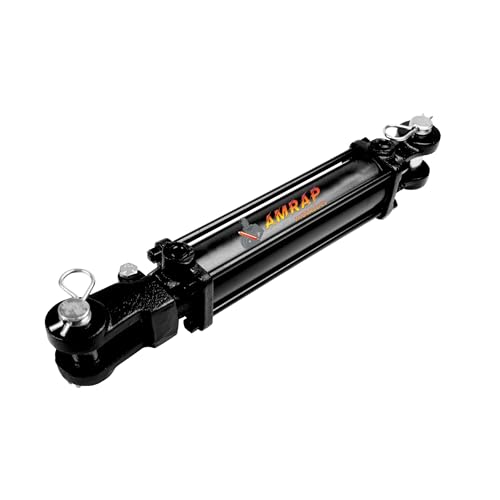
Best for robust, general-purpose industrial use where a tie-rod design helps with alignment and maintenance. This 2-inch bore by 6-inch stroke cylinder is rated around 2500 PSI and features 3/8″ NPT ports. It’s well-suited for hydraulic presses, tool machines, and material-handling equipment that benefit from straightforward maintenance. Choose this if you need a durable, widely supported cylinder with clear mounting options. A limitation is that the higher force typically comes with a larger overall length when retracted, which may impact compact installations.
Ruipai 1.5×6 Hydraulic Cylinder
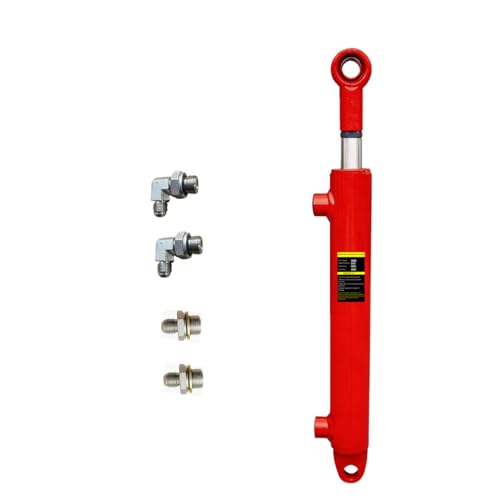
Best for compact machinery and DIY projects needing a smaller profile. This 1.5-inch bore with a 6-inch stroke is designed for moderate loads with a 1-inch rod, making it a good fit for lift arms and clamps on smaller machines. It features outer dimensions around 2 inches and easy mounting via standard fittings. Better for space-constrained installations; might be less ideal for high-load, industrial-grade tasks requiring higher PSI or larger rod diameters.
RHKING 1.5×6 Welded Cylinder

Best for rugged outdoor applications and long-term use where corrosion resistance and durability matter. This welded double-acting 1.5-inch bore by 6-inch stroke design includes a solid chrome-plated rod for durability and anti-deflection performance. It is rated around 2320 PSI with thrust up to 4410 pounds. Choose this if you need a compact yet heavy-duty option for agricultural, construction, or outdoor equipment. A consideration is that the smaller bore limits maximum load relative to larger-bore models.
CWA Hydraulics WT Weld Cross Tube 2×6

Best for manufacturers needing a cross-tube design with a standard SAE 6 port layout. This 2″ bore by 6″ stroke cylinder integrates a welded cross-tube construction and a 3000 PSI rating, delivering balanced performance for machine tools and material handling. Opt for this when you want straightforward installation with compatibility to existing cross-tube hardware. A potential limitation is the fixed cross-tube mounting style, which may not suit all frame geometries.
Buying Guide: Key Considerations For 6 Inch Cylinders
- What is the required load and force? Compare bore size, stroke, and PSI ratings to ensure the cylinder can handle peak loads without overextension.
- Which mounting style fits your setup? Cross-tube versus tie-rod designs offer different installation options and alignment benefits.
- Port configuration and compatibility: Check port type and size (NPT or SAE) to match your hydraulic hoses and connectors.
- Cylinder length in retracted and extended positions: Ensure your machine has clearance for full stroke and retraction.
- Durability in your environment: For outdoor or harsh conditions, consider chrome-plated rods, welded bodies, and corrosion resistance.
- Maintenance and parts availability: Favor models with readily available seals and replacement components.
- Port pressure rating and duty cycle: Higher PSI ratings support more demanding applications; consider duty cycle for continuous use.
Practical Comparisons By Use Case
- Best for general shop upgrades: WEN WT-2006 and CWA WT Cross Tube offer robust construction and standard porting.
- Better for heavy lifting with straightforward maintenance: RHKING and AMRAP 2×6 provide high thrust and common port sizes.
- Choose this if space is tight: Ruipai 1.5×6 provides a compact profile with adequate push force for lighter tasks.
Frequently Asked Questions
- What is the main difference between cross-tube and tie-rod hydraulic cylinders? Cross-tube designs share mounting points across the body, while tie-rod designs use threaded rods to connect end caps and can offer different mounting flexibility.
- Do all 6-inch cylinders have the same PSI rating? No, PSI ratings vary by model and design—from about 2320 PSI to 3500 PSI in this selection—affecting maximum load capabilities.
- What should I consider for mounting anchors? Look for pin holes, clevis ends, and standard thread fittings to match your frame or equipment.
- Is a larger bore always better for higher loads? Larger bore increases force capacity but also recalls overall size and mounting compatibility. Choose based on required thrust and available space.
- Are these cylinders interchangeable between machines? Not universally. Verify bore, stroke, rod diameter, mounting, port style, and pressure ratings with your equipment’s requirements.
- Can I replace only the seals or rods if needed? Many parts are serviceable, but availability depends on the model and supplier. Check maker guidance and compatible parts before maintenance.