If you’re selecting a 303 stainless steel bar for machining, fixtures, or DIY projects, you want a balance of machinability, strength, and corrosion resistance. The 303 grade is known for ease of machining and good corrosion resistance, making it a reliable choice for brackets, gauges, fittings, and prototype parts. This guide highlights five solid 303 stainless steel bar options, explains who they’re best for, and points out practical considerations. The following picks cover flat, round, and hex shapes to match common fabrication needs.
Summary of chosen products (quick reference):
| Product | Shape | Size | Best For |
|---|---|---|---|
| 3/8″ x 1-3/4″ x 12″ 303 Stainless Flat Bar | Flat Bar | 0.375″ thick x 1.75″ wide x 12″ | Flat brackets, mounting rails, fabrication projects requiring flat faces |
| 304 Stainless Rectangular Bar, 1/8″ x 1-1/2″ x 36″ | Rectangular Bar | 0.125″ x 1.5″ x 36″ | General fabrication; affordable corrosion resistance (notes: 304 vs 303) |
| 303 Stainless Round Bar 1″ Dia. x 12″ | Round Bar | 1″ diameter x 12″ | Machining operations requiring round stock |
| 303 Hex Bar, 0.375″ Across Flats, 24″ Length | Hex Bar | 0.375″ across flats x 24″ | Machining fixtures and alignment components |
| 303 Stainless Round Bar 7/8″ Dia. x 12″ | Round Bar | 0.875″ diameter x 12″ | Smaller round stock for precise fittings |
3/8″ x 1-3/4″ x 12″ 303 Stainless Flat Bar

Shape and size: Flat bar measuring 0.375 inches thick, 1.75 inches wide, and 12 inches long. Material: 303 stainless steel. This option is best for users who need flat stock with clean edges for brackets, frames, and light structural components. The flat geometry simplifies milling, drilling, and surface finishing compared with round stock.
Key benefits: 303 stainless steel offers good machinability and corrosion resistance, making it suitable for indoor applications and fixtures subject to light exposure. It’s easier to machine than many harder stainless grades, which helps reduce tooling wear on fabrication projects.
Best for: DIY enthusiasts, small fabricators, and hobbyists needing flat stock for brackets, mounting plates, or jig components. Best when you require flat faces for precise alignment or where a flat mounting surface is critical.
Caution: Availability may vary by supplier; confirm dimensions and batch quality before purchasing large quantities. Flat stock without protective coating can oxidize if exposed to moisture without finishing.
304 Stainless Steel Rectangular Bar, 1/8″ x 1-1/2″ x 36″

Shape and size: Rectangular bar with a mill unpolished finish, 0.125 inches thick, 1.5 inches wide, and 36 inches long. Material: 304 stainless steel, Annealed per ASTM A276.
Why it’s chosen: 304 stainless steel is widely available, corrosion resistant, and easy to fabricate for indoor and outdoor fixtures. The 1/8″ thickness supports lightweight assemblies, brackets, and prototypes where rigidity is needed but excessive weight is undesirable.
Best for: Projects requiring a cost-effective yet durable stainless option, such as metal frames, supports, and DIY fixtures that will be assembled or machined in standard workshop setups.
Limitations: Not strictly 303; slight differences in corrosion resistance and machinability exist between 304 and 303. If you specifically need 303-grade characteristics like enhanced machinability with stable performance in certain environments, verify grade compatibility for your application.
303 Stainless Round Bar 1″ Dia. x 12″

Shape and size: Round bar with 1″ diameter and 12″ length. Material: 303 stainless steel. This size is suitable for turning, drilling, and precise round-stock applications.
Best for: Machinists and fabricators who need consistent round stock for shafts, spacers, or custom dowel-like components. The round form is advantageous for turning operations and balancing in rotative assemblies.
Limitation: The product listing provides ASTM A582 reference, indicating standard mechanical compatibility. Confirm tolerance and finish requirements for your specific machining process to ensure fit and finish meet project needs.
303 Hex Bar, 0.375″ Across Flats, 24″ Length
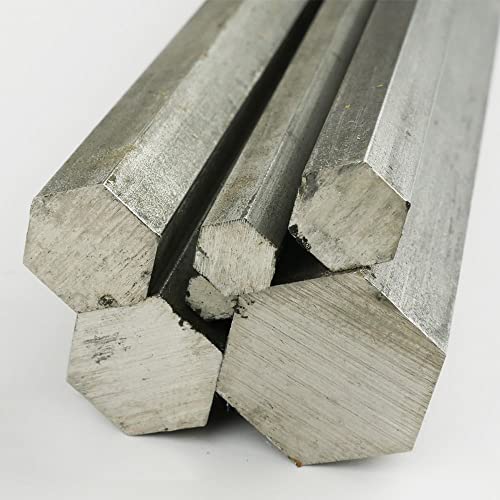
Shape and size: Hexagonal bar with 0.375″ across flats and 24″ length. Material: 303 stainless steel, annealed finish for easier machining. The hex stock provides a convenient grip for tools and fixtures that require multi-sided contact.
Best for: Applications needing accurate hex stock for fasteners, nut plates, or fixtures where hex geometries improve grip or alignment without additional machining steps.
Better for: Users who plan secondary operations like milling or drilling and want stock with a stable, machinable profile. Considerd as a midpoint between round and flat stock for specialized fixtures.
303 Stainless Round Bar 7/8″ Dia. x 12″
Shape and size: Round bar with 0.875″ diameter and 12″ length. Material: 303 stainless steel. This smaller round stock suits precise, compact components and fixtures requiring round stock with good machinability.
Best for: Small-part fabrication, brackets, or custom fittings where compact round stock is ideal. It’s easier to machine for prototypes and fixtures in limited spaces.
Caution: Internal quality can vary by supplier. When fabricating precision parts, verify straightness and surface finish before heavy machining.
303 Stainless Round Bar 2″ Dia. x 12″
Shape and size: Round bar at 2″ diameter and 12″ length. Material: 303 stainless steel with high machinability for larger round stock needs. The diameter supports more substantial turning operations and heavier-duty fixtures where a robust round profile is required.
Best for: Projects demanding stronger round stock with more mass, such as custom pulleys, rotors, or larger spacers. Choose this if your machining process benefits from a thicker round profile.
Limitation: Larger diameter bars can be harder to machine and require more powerful tooling and equipment. Ensure your machine capabilities align with the stock’s size before starting.
Buying Guide: Key Considerations For 303 Stainless Steel Bar
Grade selection: Why choose 303?
303 stainless steel is known for excellent machinability, making it a preferred choice for parts that require intricate cutting, threading, or shaping. It also offers decent corrosion resistance for indoor and mildly outdoor environments. When you need easier machining with reliable corrosion resistance, 303 is a solid option; for environments with more aggressive exposure, consider alternative stainless grades.
Stock shape and size: What to pick?
Flat bars are ideal for mounting plates and brackets with flat surfaces. Round bars excel in turning applications and rotational components. Hex bars can simplify fitting and alignment in fixtures. Consider the final application, required tolerances, and how the stock will be machined when selecting shape and size.
Finish and tolerance: What matters?
Unpolished (mill) finishes are common in stock for fabrication and may require post-machining finishing. Tolerances vary by supplier and stock type; confirm desired tolerances for precise assemblies. If finishing is critical for fit or aesthetics, factor in additional processing steps.
Durability vs. machinability: How to balance?
303 provides good machinability and adequate corrosion resistance, but some applications benefit from higher strength grades or different stainless alloys. If the project involves heavy wear, high-temperature exposure, or severe corrosion, evaluate alternatives and consult engineering data for compatibility.
Practical picking tips
- Match stock to the intended machining method (lathe turning vs. milling) to maximize tool life and finish quality.
- For prototypes, choose stock with easier formability (annealed) to reduce tooling effort.
- When in doubt about a specific dimension, select stock with slightly larger tolerances and plan finishing steps accordingly.
FAQ
- What is the main advantage of 303 stainless steel bar?
– It offers good machinability along with reliable corrosion resistance for many indoor and light outdoor applications. - Is 304 the same as 303?
– No. 304 is similar but generally has different corrosion resistance and machinability characteristics; select grade based on project requirements. - Which stock type is best for fixtures?
– For flat mounting plates, flat bars work well; for rotaries, round bars are often preferred; hex bars suit alignment fixtures. - Do these listings include finished tolerances?
– Listings typically reference standard grades; verify tolerances with the seller for precise engineering needs. - Can I use 303 stock outdoors?
– It offers reasonable corrosion resistance, but for harsh outdoor environments, consider protective coatings or higher-grade stainless options.