If you need a 3 point hitch tiller to prep seedbeds faster, this guide highlights five solid choices for Category 1 tractors. Each option is designed for different yard sizes, soil types, and workload demands. The best pick depends on your tractor’s HP range, desired working width, and your soil conditions. This overview targets buyers seeking reliable tillage, easy installation, and consistent depth control for gardens, small farms, or nurseries.
Summary table of selected products:
- Product A: 4 ft wide, 24 blades, 3-5″ depth, Cat I
- Product B: 3 ft wide, 16 blades, 3-5″ depth, Cat I
- Product C: 3.5 ft wide, 20 blades, 3-5″ depth, Cat I
- Product D: 4 ft wide, gear-driven, PTO shaft included, 6″ max depth
- Product E: 37″ wide, 20-30 HP tractors, replaceable tines, 3-5″ depth
Heavy Duty 4 Ft 3 Point Tiller for Tractors
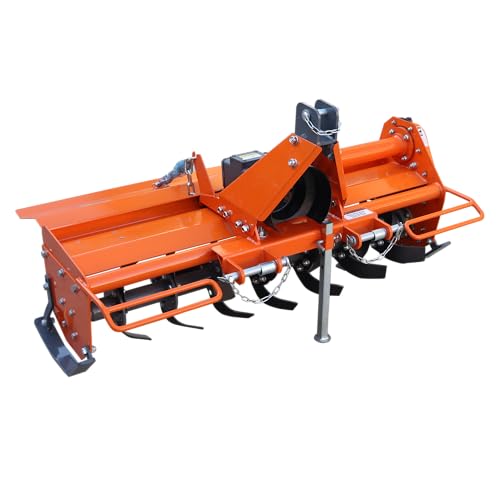
Brand: QEEKA
Key features: 57.48 inch width overall; working width 49.21 inches; max tilling depth 3-5 inches; 24 alloy steel blades; Class 1 three-point hitch compatibility; single-speed PTO drive with a 540 RPM gearbox; replaceable L-shaped blades.
Best for: Small to mid-sized plots needing a wide pass per pass and efficient weed trimming in gardens, orchards, and nurseries. The 49″ working width reduces passes and speeds soil preparation.
Limitations: Depth can vary with soil hardness and blade condition; ideal depth is soil- and operator-dependent. May require careful balancing on uneven terrain.
Heavy Duty 3 Point Tiller 3 Ft 37 In

Brand: QEEKA
Key features: 45.7 inch three-point rotary tiller; working width 37.40 inches; max depth 3-5 inches; 16 alloy steel blades; Cat I compatibility; single-speed PTO drive; replaceable L-shaped blades.
Best for: Garden beds and smaller plots where a compact tiller is preferred. The 37″ width fits narrow rows and small tractors without sacrificing soil loosening efficiency.
Limitations: Shallower depth on tougher soils; fewer blades than larger models may require more passes in dense soil.
Heavy Duty 3 Point Tiller 3.5 Ft 42 In

Brand: QEEKA
Key features: 49.6 inch three-point rotary tiller; working width 41.34 inches; max depth 3-5 inches; 20 alloy steel blades; Cat I compatibility; single-speed PTO drive; replaceable L-shaped blades.
Best for: Medium-sized gardens and orchards that need a balance between pass width and maneuverability. The 41″ working width suits tighter layouts while still covering substantial ground per pass.
Limitations: Depth and efficiency depend on blade condition and soil type; some users may prefer more blades for very rocky soil.
Sigma Heavy Duty 4′ Point Rotary Tiller

Brand: POWER PRODUCTS
Key features: 4′ working width (48″); PTO shaft included; heavy-duty cast iron gear box; maximum depth of cut up to 6″ under ideal conditions; 3-point hitch compatible; skid plate helps reduce resistance and clear debris.
Best for: Larger plots or fields where deeper tillage and broader ground coverage are needed. The gear-driven design offers strong torque for tougher soils.
Limitations: Deeper tillage can require more power and space; ensure your tractor HP matches the model’s range for ideal performance.
3 Point Hitch Rotary Tiller 37” for 20-30HP Tractors

Brand: HUOHUATHREE
Key features: 37″ width; compatible with 20-30HP Cat I tractors; 540 RPM PTO; 3-5″ depth; replaceable alloy steel blades.
Best for: Smaller tractors with moderate horsepower needing a compact, versatile tiller for garden beds and narrow beds in orchards or yards.
Limitations: May require more passes on tough soils and limited depth control compared to larger tillers.
Buying Guide: Key Considerations for 3 Point Hitch Tillers
What tractor compatibility matters: Ensure the tiller uses Cat I three-point hitch and a 540 RPM PTO. Verify the tractor’s HP range can handle the tiller’s weight and gear system.
Working width vs. space: Wider tillers cover more ground but require larger tractor maneuverability. Narrowers are easier to handle in small plots but may need extra passes.
Depth control and soil type: A tiller’s maximum depth is influenced by soil hardness and blade condition. Look for adjustable depth or adjustable tines if you work in variable soils.
Gear drive vs. chain drive: Gear-driven tilters offer smoother power transfer and durability on tougher soils. Consider skid plates and blade materials for longevity in rocky ground.
Blades and maintenance: Replaceable L-shaped blades are common. Check blade count and material; more blades typically improve soil chopping but may require more maintenance.
Ease of installation: Look for bolt-on compatibility with your current three-point setup and PTO shaft. Some models include PTO shafts; others require separate purchases.
Application fit: Garden beds, nurseries, small farms, and orchards each benefit from different widths and depths. Define your primary use to choose the best match.
Frequently Asked Questions
- What is the typical tilling depth for a 3 point hitch tiller? Most models offer 3-5 inches, though depth can reach up to 6 inches on some larger units in ideal conditions.
- Can a tiller be used on a small tractor? Yes, many tillers are designed for 20-30 HP Cat I tractors, with widths from about 37 to 49 inches.
- Do you need a PTO shaft with a tiller? Some tillers include a PTO shaft; others require you to source one separately. Check the product description.
- Is a wider tiller always better? Not always. Wider tillers cover more area but require more power and space. Choose width based on your tractor and field size.
- What maintenance is needed for replaceable blades? Inspect blades for wear and replace as needed to maintain even soil breaking and depth.
- What soil conditions affect tilling depth? Hard, rocky, or clay soils reduce achievable depth and blade efficiency unless you adjust technique or blade type.