Answering the common buyer question: which 22 GPM, 2-stage hydraulic pump best fits a log splitter or wood-processing system? This guide highlights five top options, explains who each is best for, and shows practical differences in pressure, speed, and compatibility. Ideal buyers include DIY enthusiasts upgrading a splitter, small OEM projects, and operators seeking fast cycle times with reliable durability. The following table summarizes the five selected pumps and their standout traits for quick comparison.
| Product | Max PSI | RPM | Inlet/ Outlet | Best For |
|---|---|---|---|---|
| RYFT Hydraulic Log Splitter Pump 22GPM 2-Stage | 3000 | 3600 | NPT 1 In / NPT 3/4 Out | Higher pressure, robust aluminum housing |
| Hydraulic Wood Log Splitter Pump Kit – 22 GPM (Weonefit) | 4000 | 3600 | 1-1/4 In / 3/4 NPT | Complete kit, OEM-friendly |
| Hydraulic Wood Log Splitter Pump – 22 GPM | 2 Stage (Weonefit) | 3000 | 3600 | NPT 3/4 Outlet / NPT 1 Inlet | Sturdy, durable aluminum build |
| Concentric Hydraulic Pump – 22 GPM, 2-Stage (Haldex) | 22 GPM rating, not PSI listed | Not specified | Inlet 1-1/4 In | Compact OEM replacement |
| Tool Tuff DIRECT 22 GPM 2 Stage Hydraulic Pump | 4000 | Unknown | 5/8 Shaft | Industrial inline cast iron design |
RYFT Hydraulic Log Splitter Pump 22GPM 2-Stage HI/LO Gear Pump

The RYFT 22GPM 2-stage hi/lo gear pump delivers up to 3000 PSI at a maximum 3600 RPM. Its extruded aluminum housing with a cast steel end plate emphasizes durability for demanding log-splitting cycles. Best for users who need a balance of speed and high-pressure capability in a compact unit. Caution: ensure compatible shaft rotation and port sizing for your system.
Hydraulic Wood Log Splitter Pump Kit – 22 GPM, 2 Stage (Weonefit)
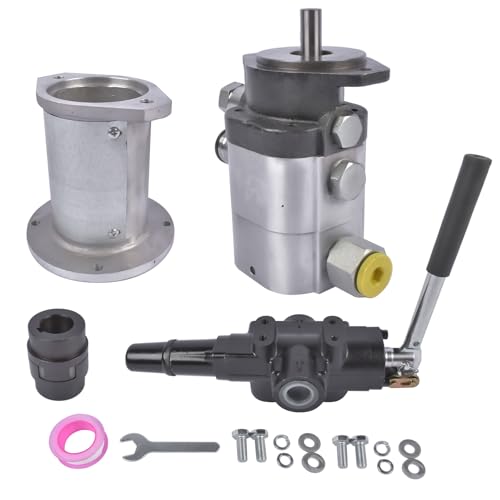
This Weonefit kit combines a 22 GPM, 2-stage pump rated up to 4000 PSI with a complete installation package, including a directional control valve, base, bolts, coupling, wrench, and Teflon tape. Ideal for OEM replacements or DIY builds requiring a turnkey solution. Choose this if you want a ready-to-mount kit with predictable compatibility and extended setup versatility. Limitation: higher max psi may demand stronger seals and cooling in some setups.
Hydraulic Wood Log Splitter Pump – 22 GPM | 2 Stage | 3000 PSI (Weonefit)
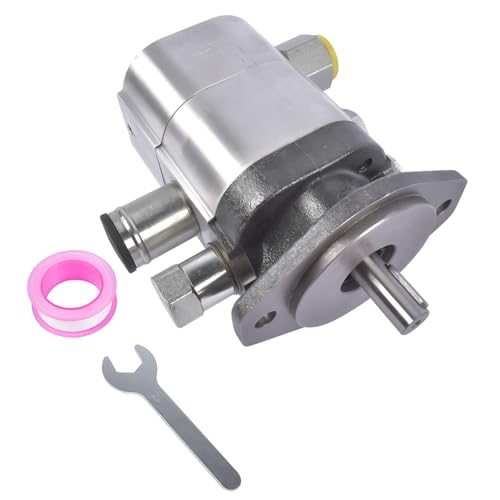
This Weonefit model emphasizes a durable aluminum HI/LO gear design with a 3600 RPM speed and 5/8″ shaft diameter. Best for users prioritizing a reliable, mid-range PSI pump capable of quick cycling for typical wood splitting tasks. Better for systems seeking lighter-duty operations while maintaining strong flow. Caution: ensure the mounting and shaft compatibility align with your motor driver.
Concentric 22 GPM 2-Stage Hydraulic Pump (Haldex)

Haldex offers a compact 22 GPM 2-stage pump with a 5/8-inch shaft and 1-1/4-inch inlet. This option is suited for OEM applications where a straightforward replacement with standard ports is needed. Best for buyers who want a compact, easy-to-fit unit and a simple port arrangement. Limitation: the listing provides general specs; verify exact PSI rating and compatibility with your system before purchase.
Tool Tuff DIRECT 22 GPM 2 Stage Hydraulic Pump

Tool Tuff’s inline cast iron 22 GPM 2-stage pump is designed for industrial use with a 5/8″ shaft and a maximum duty cycle suitable for demanding operation. Best for users who want a robust, all-cast-iron construction for tough environments. Caution: cast iron components may be heavier and more rigid to mount than aluminum options; check mounting allowances in your setup.
BestParts 22 GPM 2-Stage Pump – Cast Iron
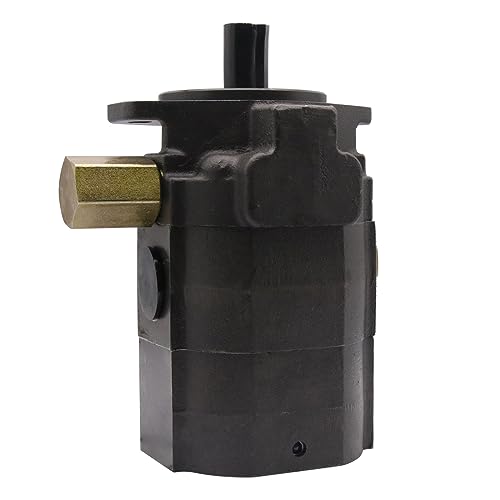
The BestParts unit provides a complete 2-stage 22 GPM setup in a cast-iron body, with a 5/8″ shaft and 1″ NPT inlet/outlet configurations. This option is suitable for users who need rugged, long-service-life components in medium-to-heavy industrial applications. Limitation: intermitted max pressure is listed as 4000 PSI; confirm continuous rating for your application to avoid overworking seals.
Buying Guide
What to consider before buying a 22 GPM 2-stage hydraulic pump:
- Pressure needs: Higher PSI supports tougher splitting tasks but may demand stronger seals and cooling. Match the pump’s PSI rating to your splitter’s cylinder rating.
- Flow and speed: A 3600 RPM rating with 22 GPM improves cycle times; ensure your motor or engine can deliver adequate torque at this flow.
- Port sizes and shaft: Confirm inlet/outlet threads (NPT vs SAE), and shaft diameter (commonly 5/8″) to fit couplings and drive hardware.
- Materials and construction: Aluminum housings save weight; cast iron units offer exceptional durability in harsh environments but add weight.
- Kit contents: Some pumps include directional control valves, mounting bases, and seals. A complete kit simplifies installation and OEM replacements.
- Mounting compatibility: Check flange type and bolt patterns to ensure secure mounting on your log splitter or press system.
- Maintenance: Look for accessible seals and bearing assemblies for easier upkeep and longer service life.
Frequently Asked Questions
- What does GPM stand for and why does it matter?
– GPM stands for gallons per minute and measures hydraulic flow. Higher GPM supports faster cycles; balance with pressure to avoid overloading components. - Is 2-stage always better for log splitters?
– Generally, yes for achieving faster cycles and higher pressure, but it depends on your system’s design and required speed. - Can I reuse existing valves with these pumps?
– Many pumps are designed for standard valve configurations, but verify port sizes and compatibility with your current valve or control system. - What is the importance of the shaft size?
– The shaft size ensures proper coupling to your drive motor or engine. Mismatches can cause misalignment or slippage. - Are these pumps suitable for DIY projects?
– Yes, many are marketed for DIY or OEM replacements; ensure safe mounting, electrical considerations, and correct fluid type for your system.