Answering the common buyer question: which 18 inch hydraulic cylinder best fits your needs depends on bore size, port type, and overall load capacity. This guide highlights five solid options ideal for mid-range to heavy-duty use, including welded cross-tube and tie-rod designs. Best for heavy lifting, tractors, compact machinery, and workshop projects, these selections balance reliability, ease of integration, and high-pressure performance. See a quick product snapshot below to compare core specs at a glance.
| Product | Bore | Stroke | Ports | Rated PSI | Best For |
|---|---|---|---|---|---|
| WEN WT-2518 | 2.5″ | 18″ | SAE-8 | 3000 | General hydraulic tasks with strong push force |
| RHKING 1.5×18 | 1.5″ | 18″ | 3/8″ JIC 37° | 2320 | Compact, high-duty-use projects |
| AMRAP 1.5×18 | 1.5″ | 18″ | SAE#4 | 3500 | High-pressure performance in light-to-medium loads |
| AMRAP 3×18 | 3″ | 18″ | 1/2″ NPT | 2500 | Industrial-scale presses and tooling |
| AMRAP 2×18 (2″ bore) | 2″ | 18″ | 3/8″ NPT | 2500 | Balanced strength for larger projects |
WEN Cross Tube Hydraulic Cylinder, 2.5″ Bore, 18″ Stroke

The WEN WT-2518 uses a double-acting, welded cross-tube design, delivering up to 3000 PSI. Best for users needing a robust, compact cylinder with a 2.5-inch bore for higher pushing force in standard workshop tasks. The SAE-8 port aligns with common hoses for straightforward plumbing. Consider this option for general hydraulic work, tractor implement adjustments, and equipment modifications where space is a factor.
RHKING 1.5×18 Hydraulic Cylinder, 2 Ton

RHKING’s 1.5″ bore cylinder is compact yet rugged, featuring a welded double-acting design and a robust 2-ton thrust rating. With a 3/8″ JIC 37° port, it suits tight installations where space is limited but reliability is essential. Best for smaller machines, mobile setups, and light-to-medium lifting jobs. A limitation to watch: pressure rating is around 2320 PSI, which may influence choice for peak-load scenarios.
AMRAP HYDRAULICS 1.5×18, Double Acting

AMRAP’s 1.5″ bore model delivers 3500 PSI, a higher pressure capability within a compact form factor. Its SAE#4 ports allow flexible plumbing options. Best for users needing stronger performance in tighter spaces, such as small machinery upgrades or portable workstations. Limitation: smaller bore means less thrust than larger counterparts under the same stroke length.
AMRAP HYDRAULICS 3×18, Tie Rod
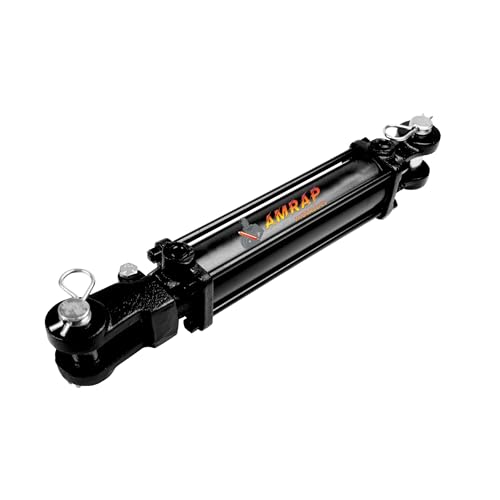
This 3″ bore cylinder offers a high 18″ stroke and a 2500 PSI rating with a tie-rod end. It stands out for industrial-scale applications such as hydraulic presses or heavy machinery in harsh environments. Best for builders needing maximum robustness and a longer reach, while the larger bore increases overall push capacity. Caution: heavier and longer than smaller models, which may affect mounting and space planning.
AMRAP HYDRAULICS 2×18, 2″ Bore
The 2″ bore version provides a balance of size and strength, with a 2500 PSI rating and 18″ stroke. Best for general-purpose industrial tasks and mid-range lifting projects where a slightly larger bore translates to higher thrust without overbearing dimensions. It is a solid middle-ground choice for shops with varied equipment.)
AMRAP HYDRAULICS 2.5×18, Welded Cross Tube
This 2.5″ bore, 18″ stroke model delivers strong performance with a 3500 PSI rating and a high load capacity of 14720 lbs. Best for demanding, high-load tasks and applications where a welded cross-tube design handles enduring use. Choose this if you need maximum thrust in a compact 18″ form factor. Limitation: larger bore requires more mounting space and may not fit tighter setups.
Buying Guide
What to consider when choosing an 18 inch hydraulic cylinder:
- Bore size and thrust: Larger bore means more pushing power. Match bore to workload and rod diameter to prevent bending.
- Stroke length: 18″ is standard; ensure the total extension fits your machine’s travel range.
- Ports and fittings: SAE, NPT, and JIC options affect compatibility with hoses and connectors.
- Construction type: Cross-tube (welded) vs tie-rod designs influence mounting and durability in harsh environments.
- Operating pressure: Higher PSI ratings enable greater force but require compatible hardware and safety considerations.
- Mounting style and dimensions: Check retracted and extended lengths, rod diameter, and mounting holes for fitment.
- Environment and corrosion protection: Welded assemblies with heavy-duty steel perform better outdoors; consider seals and corrosion resistance.
FAQ
- What is the typical maximum thrust for an 18″ hydraulic cylinder?
Answer depends on bore and pressure rating; larger bores and higher PSI yield higher thrust, as shown in product specs above. - What does a welded cross-tube design imply for durability?
It typically offers robust construction suited for heavy-duty, continuous-use applications. - Are 18″ cylinders suitable for portable workstations?
Yes, especially smaller bores with compact housings, but ensure mounting space and hoses fit your setup. - How do I choose between tie-rod and welded cylinders?
Tie-rod components are replaceable and easier to service; welded cylinders are typically sturdier for harsh environments. - Do these cylinders require specific port types?
Yes, select models with compatible ports (SAE, NPT, or JIC) for your hydraulic system. - Can I use a larger bore in a compact space?
It’s possible but may require more mounting space and different mounting hardware.