Need a reliable 16 GPM hydraulic pump for a log splitter or similar wood-processing setup? This guide highlights five strong options and explains who each one is best for. Each product is evaluated on flow, pressure, durability, and installation compatibility to help you pick with confidence. Whether you’re upgrading a small engine-powered splitter or building a DIY wood-splitting rig, these pumps are designed to deliver steady performance. The buyer table below summarizes the key specs at a glance.
Buying table
| Product | Max Flow | Max PSI | Inlet | Outlet | Drive |
|---|---|---|---|---|---|
| Nakkaa 16GPM 2 Stage | 16 GPM | 3000 | 1″ | 1/2″ NPT | 3600 RPM |
| VEVOR Hydraulic Log Splitter Pump | 16 GPM | 4000 | 1″ | 1/2″ NPT | 3600 RPM |
| RYFT 16GPM 2-Stage | 16 GPM | 3000 | 1/2″ NPT outlet | 1″ Inlet | 3600 RPM |
| Haldex 16 GPM 2-Stage | 16 GPM | — | 1″ | — | — |
| Bestauto 16 GPM 2-Stage | 16 GPM | 4000 | 1″ | 1/2″ NPT | 3600 RPM |
Nakkaa 16GPM 2 Stage 3000PSI Pump
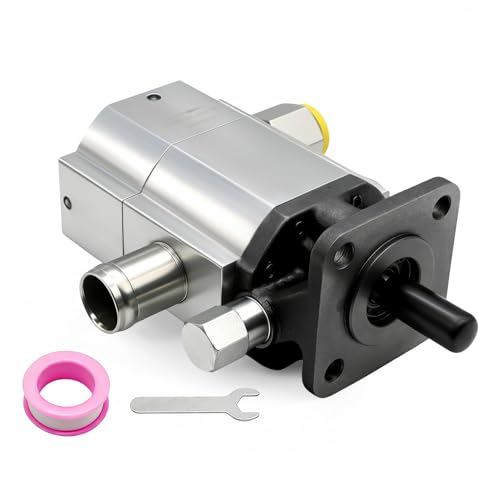
The Nakkaa 16GPM 2 Stage Pump delivers up to 3000 PSI with a maximum 3600 RPM, and uses a 1″ inlet with a 1/2″ NPT outlet. The aluminum housing offers rugged durability for outdoor or harsh environments. This pump is best for compact wood-splitting setups where space and weight are at a premium and where 3,000 PSI is sufficient for efficient splitting.
Best for: Small to midsize log splitters needing a reliable, lightweight pump with solid performance. Choose this if you prioritize a lighter package and adequate power. Caution: 3000 PSI ceiling may limit performance on very dense loads.
VEVOR Hydraulic Wood Log Splitter Pump, 16GPM
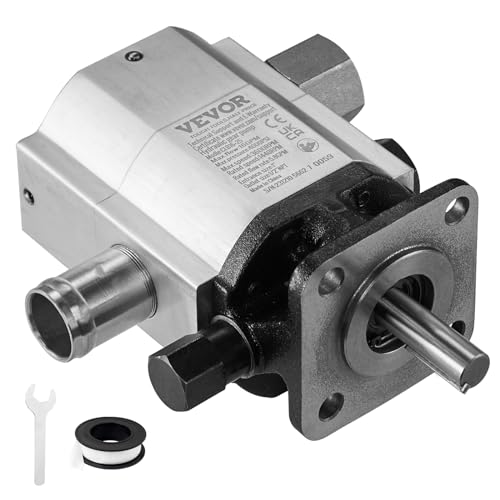
VEVOR’s pump stands out with a higher max PSI rating of 4000 and a 16 GPM flow at 3600 RPM. It uses a standard 1″ inlet and 1/2″ NPT outlet and is built from rugged aluminum alloy for corrosion resistance and durability. This makes it a strong choice for heavier-duty splitting tasks or slightly larger splitters that require more pressure.
Best for: Users needing higher pressure to handle tougher wood or faster cycling. Better for: setups that demand robust sealing and long-term outdoor use. Limitation: Higher pressure capability can increase system wear if the rest of the hydraulic circuit isn’t matched.
RYFT Wood Log Splitter Pump 16GPM

RYFT offers a 2-stage HI/LO gear pump with 3600 RPM and 3000 PSI maximum working pressure. It uses a 1/2″ NPT outlet and a 1″ inlet, with an extruded aluminum housing and a cast steel end plate for strength. This configuration emphasizes rapid cycling and reliable performance in mid-range log splitters.
Best for: Builders seeking a good balance of speed and pressure. Choose this if your system benefits from a two-stage design with consistent cycle times. Caution: Ensure your drive motor matches the 3600 RPM spec to maximize performance.
Haldex Hydraulic Pump 16 GPM

The Haldex 16 GPM 2-stage pump provides a straightforward specification set: 16 GPM flow with a 1/2- or 1-inch configuration in some models, and a standard shaft size. This pump is well-suited for users who want proven, simple, robust performance in traditional log-splitting configurations.
Best for: Traditional splitters where a reliable, no-frills 2-stage pump is desired. Better for: users who want straightforward integration without extra features. Limitation: Some model specs may vary; verify exact inlet/outlet sizing before purchase.
RYFT Hydraulic Log Splitter Pump 16GPM 2-Stage

This RYFT model emphasizes a 2-stage HI/LO design with 3600 RPM and 3000 PSI, matching many standard small-engine log splitters. It uses standard 1/2″ NPT outlet and a 1″ inlet. The end plates and housing are described as robust, supporting long service life in outdoor environments.
Best for: DIY builders who need consistent, cycle-time efficiency. Choose this if your system uses standard inlet/outlet ports. Caution: Confirm shaft diameter and mounting compatibility with your engine and frame.
Bestauto Hydraulic Pump 16 GPM

The Bestauto 16 GPM pump delivers up to 4000 PSI with 3600 RPM and a 1″ inlet with a 1/2″ NPT outlet. The aluminum casing provides resistance to rust and impact, contributing to longevity in outdoor use. This unit also notes a 1/2″ shaft with a 3/8″ key for straightforward clockwise rotation, aligning with common small engine applications.
Best for: Those needing higher pressure and a compact footprint. Better for: users who want a sturdy, all-in-one pump with strong sealing. Limitation: Higher PSI does not automatically translate to faster splitting if your system lacks adequate drive power.
Buying Guide: Key Considerations For 16 GPM Pumps
- More flow (GPM) means faster cycle times, while higher PSI supports tougher wood. Balance with engine power and system rigidity.
- Common configurations are 1″ inlet and 1/2″ NPT outlet. Confirm compatibility with your reservoir, hoses, and actuators.
- Most models run at up to 3600 RPM. Ensure your motor or engine can reliably reach or exceed this speed for optimal performance.
- Aluminum housings improve corrosion resistance and weight. Look for reinforced end plates for longer life under load.
- A compact, light pump can simplify mounting on small splitters or DIY rigs, but ensure airflow and cooling are not obstructed.
- Sealing quality and ease of disassembly influence long-term reliability. Consider pumps that offer accessible seals and straightforward mounting patterns.
What to consider before buying
- Required PSI for your wood type and split size.
- Compatibility with existing hoses, valves, and directional controls.
- Tool weight and mounting ease for portable or stationary setups.
- Warranty or service options (for major components) and availability of replacement parts.
Installation tips
- Match the pump ports to your hydraulic system with correct fittings to prevent leaks.
- Check motor speed and torque to ensure the pump reaches its rated RPM.
- Secure the pump to minimize vibration and wear on fittings and hoses.
FAQ
- What does 16 GPM mean? It stands for 16 gallons per minute, indicating the pump’s flow rate and how quickly hydraulic fluid is moved through the system.
- Is higher PSI always better for wood splitting? Higher PSI helps with tougher wood but requires a system capable of delivering that pressure without leaks or overheating.
- Can I mix different brands in one system? It’s best to match flow, pressure, and port sizes to avoid imbalances, cavitation, or leaks.
- What maintenance is required? Regularly check seals, replace worn fittings, and ensure cooling is adequate to prevent overheating.
- Which pump is best for beginners? A balanced model like the 2-stage pumps with standard ports and straightforward mounting is usually easier to install and use.
- Do these pumps include directional control valves? Some kits include directional control valves; verify what’s included with each model and plan accordingly.