Answer: For reliable wood splitting and small- to mid-size hydraulic projects, an 11 GPM, 2-stage hydraulic pump at up to 3000 PSI is a strong, versatile choice. These pumps deliver solid flow for faster cycles while maintaining enough pressure for demanding cuts. The best options are built with aluminum housings for light weight and durability, and feature standard ports for easy installation. This guide highlights five top picks to match different needs, from compact machines to more powerful setups. Ideal buyers include home workshop users, small contractor crews, and anyone upgrading a log splitter or hydraulic wood processing system.
Summary of chosen products:
- Nakkaa 11GPM 2 Stage 3000PSI Hydraulic Log Splitter Pump — Aluminum, rugged, 11 GPM, 3000 PSI
- Nakkaa 13GPM 2 Stage 3000PSI Hydraulic Log Splitter Pump — Higher flow, 3000 PSI
- VEVOR Hydraulic Log Splitter Pump — 11GPM, 3000 PSI, aluminum alloy
- RuggedMade 11 GPM 2 Stage Hydraulic Log Splitter Pump — Durable, 3000 PSI
- RYFT Hydraulic Log Splitter Pump — 11GPM, 3600 RPM, 3000 PSI
Nakkaa 11GPM 2 Stage 3000PSI Hydraulic Log Splitter Pump
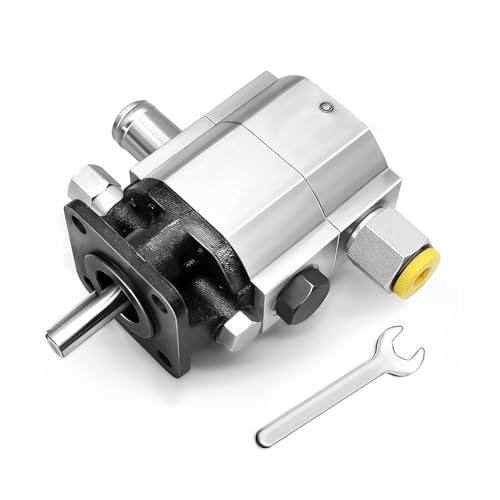
The Nakkaa 11GPM 2 Stage pump delivers up to 3000 PSI and up to 3600 RPM, with a 1 inch inlet and 1/2 inch NPT outlet. Its extruded aluminum housing provides rugged durability while offering lighter weight for easier handling. This model is best for enthusiasts upgrading a standard wood-splitting setup or building a compact splitter that needs reliable, steady pressure for efficient cuts. The data shows high flow with solid durability, making it suitable for frequent use in small workshops. A potential limitation is that a 1/2 inch outlet may require compatible hose and fittings to optimize performance in larger assemblies.
Best for: Home workshops and small contractors seeking a balanced blend of speed and pressure without excessive weight.
Nakkaa 13GPM 2 Stage 3000PSI Hydraulic Log Splitter Pump

This Nakkaa model increases flow to 13 GPM with the same 3000 PSI rating, still using a 1 inch inlet and 1/2 inch NPT outlet. The broader flow can shorten cycle times on multi-pass splits and handle larger workloads more comfortably. It is well-suited for users who routinely process larger diameter logs or require faster throughput in a mid-sized machine. A consideration is that higher flow demands more hydraulic system capability, so ensure your reservoirs and hoses can support the increased volume.
Best for: Users needing faster cycles or higher throughput without moving to a much larger machine.
VEVOR Hydraulic Log Splitter Pump — 11GPM, 3000PSI

VEVOR’s pump emphasizes standardized ports with a 1 inch inlet and 1/2 inch NPT outlet, a common configuration that helps with straightforward installation. The unit uses an aluminum alloy body for robust corrosion resistance and durability in outdoor environments. It offers a high 3600 RPM operating speed and 11 GPM flow, making it a strong choice for both speed and power in small to mid-sized log splitters or other wood-processing devices. A limitation is that, like similar models, matching the exact shaft dimensions and mounting layout with your existing system is essential for best results.
Best for: Builders prioritizing a corrosion-resistant aluminum build and an easy install in light- to mid-duty wood processing setups.
RuggedMade 11 GPM 2 Stage Hydraulic Log Splitter Pump
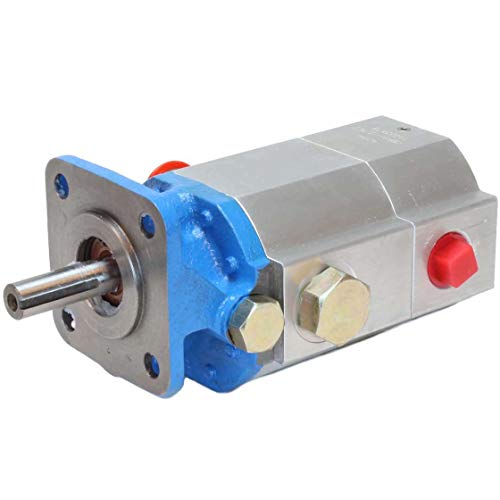
RuggedMade offers an 11 GPM flow with a 3000 PSI rating and a 1/2 inch shaft diameter. The 2-stage design provides better control over cycle times and pressure for efficient wood splitting. This model is well-suited for users who need a reliable, durable pump that fits into standard hydraulic setups and delivers consistent performance across varying workloads. The main caveat is that it may share the same port standards as other 11 GPM pumps, so confirm inlet/outlet compatibility with your existing hardware before purchase.
Best for: Users who want a straightforward, durable option that integrates easily with common log splitter configurations.
RYFT Hydraulic Log Splitter Pump — 11GPM, 2-Stage

RYFT’s pump emphasizes a 2-stage configuration with a maximum 3600 RPM and up to 3000 PSI. It uses standard 1/2 inch NPT outlet and a 1 inch inlet, with a 1/2 inch shaft allowing compact, versatile installation. The alloy housing provides durability under harsh outdoor conditions. It’s a strong pick for users who want a balance of fast cycle times and reliable pressure in a variety of wood processing tasks. A caveat is ensuring your drive system and mounting match the unit’s shaft and port dimensions to avoid fit issues.
Best for: Small-to-mid sized operations needing reliable power with quick cycling capability.
Buying Guide
What to consider when choosing an 11 GPM hydraulic pump for log splitters:
- Flow and pressure balance: 11 GPM with 3000 PSI is a common sweet spot for speed and sufficient force in most home and small shop splitters.
- Port configuration: Standard 1 inch inlet and 1/2 inch NPT outlet simplify installation and hose compatibility. Check shaft diameter and end plates for mounting compatibility.
- Materials and durability: Aluminum housings reduce weight while delivering corrosion resistance and durability in outdoor settings. Look for reinforced housings and robust mounting options.
- Two-stage design: Two-stage pumps offer faster cycling and higher efficiency at higher pressures, making them preferable for frequent, continuous use.
- System compatibility: Ensure the pump’s mounting pattern, shaft size, and port spacing align with your current log splitter or hydraulic system.
- Maintenance and service life: Aluminum pumps with simple return-to-service options can reduce downtime. Consider availability of replacement parts like gaskets and seals.
How to compare at a glance
- Best overall balance: Choose a model with 11 GPM, 3000 PSI, aluminum housing, and a proven two-stage design.
- Best for speed: Look for higher RPM (3600 RPM) paired with 11 GPM and a robust shaft.
- Best for larger throughput: Consider models offering slightly higher GPM (e.g., 13 GPM) with the same pressure rating.
FAQ
- What does 11 GPM mean for a hydraulic log splitter? It indicates the pump’s maximum flow rate, affecting how quickly hydraulic fluid moves through the system and how fast cycles complete.
- Is a two-stage pump better than a single-stage for log splitters? Yes, two-stage pumps typically offer faster cycle times and higher efficiency at higher pressures, improving productivity on demanding jobs.
- Do I need special fittings for a new pump? Check inlet/outlet sizes (1 inch inlet, 1/2 inch NPT outlet are common) and shaft diameter to match your mounting and hoses.
- Will aluminum pumps handle outdoor use? Yes, aluminum housings provide good durability and corrosion resistance, but ensure proper mounting and protection from impact.
- Can these pumps run on tractor PTO power? Some models, like PTO-driven units, are designed for agricultural setups, but confirm compatibility with your tractor’s PTO specifications before use.
- What maintenance is required? Regularly inspect fittings, seals, and seals in the end plates; keep hydraulic fluid clean and within the recommended viscosity for your system.