Answering the needs of buyers seeking rugged, reliable 10 inch stroke hydraulic cylinders, this guide highlights five solid options suitable for industrial, agricultural, and shop use. The best picks are chosen for durable construction, standard fittings, and straightforward maintenance. This overview helps buyers decide who each cylinder is best for and why. Suitable buyers include workshop owners, small manufacturers, and professionals needing dependable actuation with a 10″ stroke. A compact summary table follows to compare key specs at a glance.
| Product | Bore / Stroke | Rated Pressure | End Type | Best For |
|---|---|---|---|---|
| WEN 2500 PSI Tie Rod Cylinder | 2″ / 10″ | 2500 PSI | Tie Rod | Heavy-duty lifting and repair work |
| AMRAP HYDRAULICS 2×10 Tie Rod | 2″ / 10″ | 3000 PSI | Tie Rod | Industrial machinery and presses |
| AMRAP HYDRAULICS 1.5×10 Welded Cross Tube | 1.5″ / 10″ | 3500 PSI | Welded Cross Tube | Outdoor harsh environments and compact builds |
| AMRAP HYDRAULICS 2×10 Welded Clevis | 2″ / 10″ | 3000 PSI | Welded Clevis | Secure mounting with versatile placements |
| AMRAP HYDRAULICS 2×10 Welded Cross Tube (High PSI) | 2″ / 10″ | 3500 PSI | Welded Cross Tube | High-demand applications with robust seals |
WEN 2500 PSI Tie Rod Hydraulic Cylinder
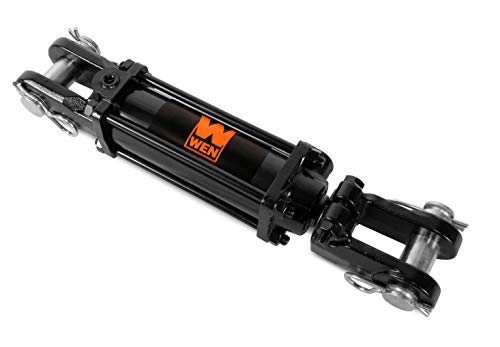
The WEN TR-2010 is a double-acting tie rod cylinder with a 2-inch bore and 10-inch stroke. It operates up to 2500 PSI and uses a 3/8-inch NPT port to connect with standard hydraulic hoses. Best for workshop tasks that require straightforward mounting and reliable actuation, this unit suits mid-range lifting and pressing tasks. Consider this option if you need a compact, serviceable cylinder and you already use standard SAE hoses.
Best for: DIY mechanics, small fabrication shops, and service tasks requiring a robust tie-rod design. Limitations: Moderate pressure rating means not ideal for the most demanding industrial cycles.
AMRAP HYDRAULICS 2×10 Tie Rod Cylinder
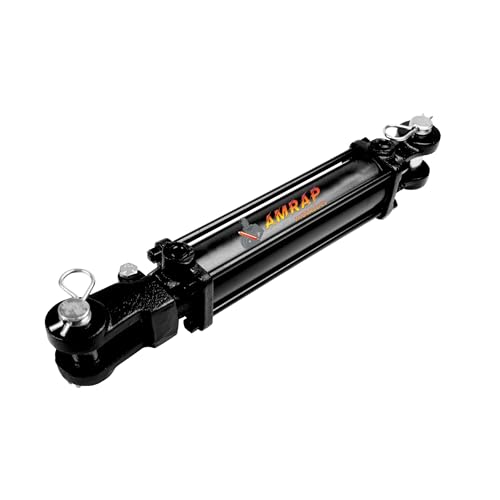
This double-acting tie-rod cylinder features a 2-inch bore and 10-inch stroke, rated at 3000 PSI with SAE#6 ports. It offers a compact retracted length of about 20.25 inches and an extended length of about 30.25 inches, making it suitable for machinery and equipment that require a sturdy, versatile cylinder. Best for heavy-duty industrial setups where tie-rod geometry is preferred for alignments and maintenance access.
Best for: Industrial machines with standard SAE #6 port plumbing. Limitations: Higher cost than basic models, and port sizing may require adapters in some systems.
AMRAP HYDRAULICS 1.5×10 Welded Cross Tube

This 1.5-inch bore, 10-inch stroke welded cross-tube cylinder is rated for 3500 PSI and uses SAE 4 ports with O-ring boss connections. It features a compact all-welded design that supports outdoor and corrosion-prone environments. Best for users needing a compact, strong cross-tube option that can handle higher pressure with durable seals.
Best for: Outdoor equipment, farm machinery, and compact presses. Limitations: Slightly smaller bore reduces raw thrust relative to wider-bore models.
AMRAP HYDRAULICS 2×10 Welded Clevis

This 2-inch bore, 10-inch stroke cylinder uses a welded clevis end for flexible mounting. It has SAE #6 ports and a maximum working pressure of 3000 PSI. The clevis end provides a straightforward attachment point for frames and machinery. Best for projects that require easy mounting with a secure pivot option.
Best for: Machines with clevis-compatible mounting points. Limitations: Clevis geometry must align with existing linkages to avoid binding.
AMRAP HYDRAULICS 2×10 Welded Cross Tube (High PSI)
This model mirrors a cross-tube build with a 2-inch bore and 10-inch stroke, rated at 3500 PSI. It combines all-welded construction with corrosion resistance, making it suitable for harsh outdoor environments. It offers robust seals to minimize leakage and supports longer service life in demanding tasks.
Best for: High-demand and outdoor applications requiring elevated PSI. Limitations: Higher PSI means tighter fitting hydraulic hoses and adapters are essential to maintain system integrity.
Buying Guide: Key Purchase Considerations
- Stroke length and bore size: A 10″ stroke is common for lifting and pushing tasks; choose bore based on required thrust and space constraints.
- Mounting style: Tie rod, clevis, and cross-tube configurations affect mounting options and alignment. Pick the style that matches your machinery.
- Operating pressure: Higher psi provides more force but may require compatible hoses, fittings, and seals to prevent leaks.
- Port type and fittings: SAE ports and NPT options determine hose compatibility. Ensure proper adapters if reconfiguring systems.
- Material and build: All-welded vs. tie-rod designs influence durability and repairability in harsh environments.
- Corrosion resistance and seals: Outdoor or dusty environments benefit from robust seals and protective finishes.
- Maintenance accessibility: Opt for designs with straightforward disassembly for seals replacement and hose checks.
FAQ
- What is a 10 inch hydraulic cylinder best used for?
Typically used for lifting, pressing, and actuating machinery where a 10″ stroke matches the work envelope and provides adequate force with a compact footprint.
- Which mounting style should I choose: tie rod, clevis, or cross tube?
Tie rod is common for straight-line thrust and easy alignment; clevis offers flexible mounting; cross-tube is compact and strong for rugged outdoor setups.
- Do higher psi ratings always mean more thrust?
Generally yes, higher rated pressure can deliver more force, but actual thrust depends on bore size, rod diameter, and system efficiency.
- Are welded cylinders more durable than tie-rod ones?
Welded cylinders tend to be sturdier and compact, while tie-rod designs are easier to disassemble for service and replacement parts.
- What maintenance is required for hydraulic cylinders?
Regularly inspect for leaks, check seals and rods for wear, verify port fittings, and replace o-rings and seals as needed to prevent leakage.
- Can I use any hydraulic hose with these cylinders?
Verify port size (SAE or NPT), hose diameter, and thread type. Use compatible fittings and protective sleeves to avoid wear and leaks.