Answering the need for durable, reliable 10-16.5 skid steer tires, this guide highlights five top options built for heavy loading, tough terrains, and long service life. These tires are best for contractors, equipment fleet managers, and farm or rental customers seeking non-retread, heavy-duty tires with Rim Guard protection. The featured picks balance load capacity, tread depth, and compatibility with common skid steer brands.
Buyer-focused quick reference table:
- — Best for multi-machine fleets needing brand-new, heavy-duty 14-ply tires with Rim Guard.
- — Best for quick replacements with strong traction and 12-ply construction.
- — Best for wear resistance and premium puncture protection on demanding sites.
- — Best for dual-wheel setups requiring high-load, off-road durability with Rim Guard.
- — Best for stable handling and 12-ply reliability in industrial applications.
HORSESHOE (4-Pack) 10-16.5 14PLY NHS Skid Steer Tires
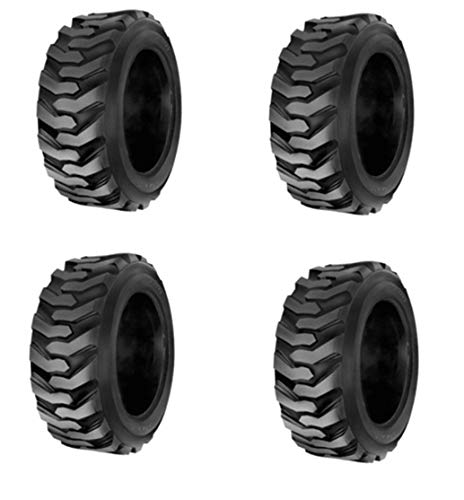
Best for fleets needing durable, non-retread tires with Rim-Guard-Walls. These 14-ply G Load tires are designed to resist gouging and cutting in tough environments, making them suitable for various skid steer models.
- Max load 5520 pounds at 90 psi
- Oval diameter 30.43″, section width 10.39″
- Rim diameter 16.5″, rim width 8.25″
Who this is for: contractors and rental fleets seeking dependable, new tires for multiple machines. Caution: extremely high pressure is required for maximum load, so ensure equipment and rims are rated accordingly.
FORERUNNER 10-16.5 Skid Steer Tire (Pack of 1)

Best for quick replacements needing solid traction with a 12-ply rating. Heavy-duty design features reinforced shoulders and grooves to enhance tread integrity on rough surfaces.
- Tread depth and wider footprint improve stability
- Load rating around 4706 pounds at 75 psi
Who this is for: operators prioritizing faster replacement with reliable traction. Caution: ensure compatibility with your machine’s rim and bolt pattern.
HALBERD 10-16.5 10PR Skid Steer Tires

Best for wear resistance and puncture protection with a large tread pattern. These 10PR tires provide a strong balance of durability and grip for demanding sites.
- Deep tread and larger blocks improve wear life
- Puncture resistance through a durable rubber compound
Who this is for: users working on abrasive surfaces like gravel, rocky jobsites, or rough dirt roads. Caution: lower ply count than some 12–14 ply options may affect max load in extreme conditions.
HORSESHOE 2-Pks 10-16.5 16PLY LRH Skid Steer Tires Mounted On Rim-Guard Wheels

Best for dual-tire configurations needing high-load capacity, Rim Guard protection, and compatible lug patterns. These tires are mounted on rim-equipped wheels, simplifying installation on compatible machines.
- 16-ply LRH rating with heavy-duty construction
- Large 30.67″ oval diameter and 9.81″ section width
Who this is for: operators who want a ready-to-install dual-tire setup. Caution: check wheel compatibility and offset requirements before purchase.
SUPERGUIDER Set 2 Heavy Duty 10-16.5/12 Ply SKS1 Tires

Best for stable handling with a 12-ply rating and Rim Guard protection. These industrial tires emphasize durability and consistent performance across tough jobs.
- 30.7″ oval diameter; 10.3″ section width
- 12-ply construction provides robust load handling
Who this is for: operators seeking reliable all-around performance with rim protection. Caution: check exact rim width compatibility for your machine model.
Buying Guide: Key Considerations For 10-16.5 Skid Steer Tires
- Ply rating and load capacity: Higher ply typically means better load handling and puncture resistance, but confirm your machine’s maximum tire pressure and rim rating.
- Rim Guard and wall protection: If your work involves sharp debris or frequent curbs, Rim Guard can extend wheel life and reduce sidewall cuts.
- Tread pattern and depth: Deeper treads offer better traction in dirt and gravel; aggressive patterns may wear faster on smooth surfaces.
- Diameter and section width: Ensure compatibility with your machine’s wheel wells and suspension; mismatches can cause rubbing or reduced clearance.
- Vehicle compatibility: Check tire size, bolt pattern, and rim width (e.g., 16.5″ rims, 8.25″ width) with your skid steer brand and model.
- New vs. retread: New tires deliver consistent performance and longer life; retreads may save cost but can vary in reliability.
- On-site conditions: Choose compounds and tread designs best suited for soil type, debris density, and operating temperatures.
Frequently Asked Questions
- Q: What does 14-ply or 12-ply mean for skid steer tires? A: Ply count indicates reinforcement layers inside the tire; higher ply generally improves durability and load capacity, especially in heavy-duty applications.
- Q: Is Rim Guard essential for skid steer tires? A: Rim Guard helps protect rims and sidewalls in harsh environments, and is recommended if your work involves sharp objects or frequent curb impact.
- Q: How do I know if a tire fits my skid steer? A: Check the tire size (e.g., 10-16.5), rim diameter (16.5″), rim width (often 8.25″), bolt pattern, and your machine’s recommended tire type and ply rating per the manufacturer.
- Q: Should I choose a 12-ply or 14-ply tire? A: Choose 12-ply for balanced life and load in typical off-road jobs; opt for 14-ply or higher when maximum load handling and puncture resistance are critical.
- Q: Are tubeless tires better for skid steers? A: Tubeless designs are common and simplify maintenance; ensure proper sealant compatibility and fit with your rims.
- Q: Can I mix tire brands on the same machine? A: Mixing brands is generally discouraged due to potential differences in traction, wear, and ride characteristics; install matching tires on each axle when possible.