Answering the market need for compact, reliable hydraulic power, this guide covers top 1 inch hydraulic cylinders and close alternatives. Ideal for small machines, DIY projects, and lightweight industrial tasks, these options emphasize compact size, solid construction, and straightforward installation. The first two picks are best for tight spaces and general-purpose use, while the others offer higher stroke or force for slightly larger demands. This overview helps buyers choose based on bore size, stroke, mounting, and mounting options.
Summary of selected products (quick reference):
- Magister Hydraulics Swivel Ball Welded Hydraulic Cylinder — 1″ bore, 10″ stroke, 3000 PSI
- Wryxia Double Acting Universal Hydraulic Cylinder — Stroke 16″, rod 1.0″
- RHKING 1.5×6 Hydraulic Cylinder — 1.5″ bore, 6″ stroke, 2320 PSI
- AMRAP HYDRAULICS 1.5×10 Hydraulic Cylinder — 1.5″ bore, 10″ stroke, 3500 PSI
- WEN Cross Tube Hydraulic Cylinder WT-1508 — 1.5″ bore, 8″ stroke, 3000 PSI
Magister Hydraulics Swivel Ball Welded Cylinder

Product: Swivel Ball Welded Hydraulic Cylinder — 1″ Bore × 10″ Stroke × 0.63″ Rod, Double Acting, 3000 PSI
Best for: Small-to-medium load applications where a swiveling rod end is beneficial, such as compact machinery or robotic fixtures. The solid weld construction and swivel eye enable flexible mounting in tight spaces.
- Pros: Manufacturer-direct design; standard SAE 6 ports; robust 3000 PSI rating; durable welded construction.
- Cons: Limited to 1″ bore; longer extended length may affect tight installations.
Double Acting Universal Hydraulic Cylinder (Wryxia)
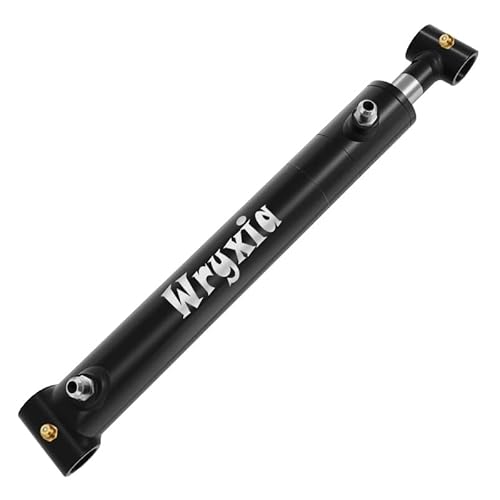
Product: Double Acting Universal Hydraulic Cylinder, 2900-3600 PSI, Chrome Plated Piston Rod, Stroke 16″, Pin 1.0″
Best for: General-purpose use in diverse industrial equipment where a 1.0″ rod and universal mounting provide flexibility. Good for replacement projects or diverse machinery setups.
- Pros: Chrome-plated rod offers rust resistance; versatile application across equipment; high-pressure range supports demanding tasks.
- Cons: Bore size isn’t specified in the listing; verify compatibility with existing housings before purchase.
AMRAP HYDRAULICS 1.5×10 Cylinder

Product: 1.5″ Bore × 10″ Stroke, Double Acting Welded Cylinder, SAE #4 Ports, Rated 3500 PSI
Best for: Projects requiring higher bore for greater force yet within a compact form factor; suited for mid-range lifting arms and push/pull tasks in industrial or agricultural settings.
- Pros: All-welded design and heavy-duty steel construction offer durability and rigidity; seals designed to minimize leakage.
- Cons: Bore is 1.5″, which is larger than strictly 1″ systems; ensure compatible mounting and clearances.
WEN Cross Tube Cylinder WT-1508

Product: Cross Tube Hydraulic Cylinder, 1.5″ Bore × 8″ Stroke, 1″ Rod, 3000 PSI
Best for: Small machines needing a compact cross-tube design with good stroke length; ideal for fixtures, clamps, or light automation setups.
- Pros: 3000 PSI rating supports steady operation; standard SAE-4 port simplifies hose connections.
- Cons: Bore is 1.5″ which is larger than 1″ holders; consider mounting clearance and load requirements.
WEN 2500 PSI Tie Rod Cylinder

Product: Tie Rod Cylinder 2 in. Bore × 14 in. Stroke, Double-Acting, 2500 PSI
Best for: Environments where tie-rod design and longer stroke are needed, with versatility for controlled pushing and pulling in equipment maintenance.
- Pros: Strong build, compatibility with standard hoses; higher stroke improves reach in certain assemblies.
- Cons: Bore exceeds 1 inch, so it’s a broader fit than strictly 1″ systems.
WEN 1.5×8 Cross Tube Cylinder
Product: Cross Tube Cylinder, 1.5″ Bore × 8″ Stroke, 1″ Rod, 3000 PSI
Best for: Lightweight automation tasks requiring a compact cross-tube form with a moderate stroke; good for clamps or fixture actuators.
- Pros: Solid construction; standard ports for quick hose connections.
- Cons: Bore is 1.5″ and may not fit ultra-tight spaces designed for 1″ bores.
Buying Guide
Key purchase considerations help narrow choices beyond bore size:
- Bore size and stroke: Decide between 1″ bore for compact work and 6″–10″ strokes for longer reach. Larger bores deliver more force but require more space.
- Mounting style: Swivel eyes, tie rods, and cross-tube designs affect mounting versatility and alignment in constrained spaces.
- Pressure rating: Select cylinders with pressure ratings that match the hydraulic system; higher PSI supports heavier loads with better control.
- Material and sealing: Chrome-plated rods resist rust; welded construction improves durability in outdoor or rugged environments; seals must suit operating temperature and fluid compatibility.
- Ports and fittings: Ensure port type and size (SAE, JIC) match your hoses and adaptors for leak-free connections.
- Installation footprint: Check extended length when the rod is retracted and fully extended to avoid interference with nearby components.
Frequently Asked Questions
- What does a 1″ bore cylinder mean for my project?
It refers to the cylinder bore diameter, affecting force capacity and how much space the piston requires. Smaller bores are common for compact applications and lighter loads.
- Are swiveling ends important for compact installations?
Yes. Swivel or hinge-style ends increase mounting flexibility and reduce side-load stress, especially in misaligned or dynamic systems.
- Can I mix 1″ and 1.5″ bore cylinders in the same system?
Typically not recommended without engineering review because differing bores affect flow, speed, and load distribution in the circuit.
- What should I verify before buying?
Confirm bore, stroke, rod diameter, mounting method, port size, maximum pressure, and installation clearances.
- Is a welded cylinder more durable than a tie-rod type?
Welded cylinders generally offer higher rigidity and leak resistance in harsher environments, though they can be heavier and less modular than tie-rod designs.