When selecting a stainless steel gear pump, the key is reliability, chemical compatibility, and precise flow control. This guide highlights five dependable options that suit industrial, lab, and home-brew applications. Best for small, precise transfers are compact, food-grade micro gear pumps. For heavier-duty drum transfers or high-chemical applications, larger, rugged models offer better robustness. The products below are chosen for clear specs, material quality, and practical use cases.
| Product | Best For | Why It Stands Out |
|---|---|---|
| Aitoserlea DC 24V Micro Gear Pump | Small, precise dosing | 304 stainless steel body; 0.65 mL/rev displacement for fine control |
| LeTkingok DC 24V Micro Gear Pump | Corrosion-resistant metering | Food-grade design; low-viscosity handling; negative inlet support |
| Groz 316 Stainless Steel Vertical Lift Pump | Solvents, fuels, and oils | 316 SS body with PTFE wetted parts; up to 600 mL per stroke |
| Dayton Rotary Gear Pump Head | Industrial gear-pump head | Rotary gear pumping; broad compatibility; India-made |
| Amarine Made 12V Gear Pump | Lubricants and viscous liquids | Self-priming gear pump; rugged bronze and stainless shaft |
Aitoserlea DC 24V Micro Gear Pump

Product: Micro Gear Pump. Pump body material: 304 stainless steel. Displacement: 0.65 mL/Revolution. Best for small, precise dosing in lab or culinary setups where cleanability and food-grade compatibility matter. The 304 stainless steel body provides corrosion resistance for a variety of liquids. Choose this if you need compact size and accurate, repeatable dispensing. Limitation: very high-viscosity liquids may reduce accuracy or flow rate.
LeTkingok DC 24V Micro Gear Pump
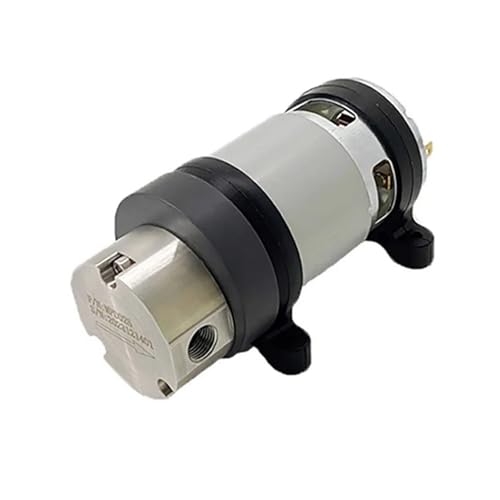
Product: DC 24V Micro Gear Pump. Medium: 0-3000 CPS liquids with 0.65 mL/rev. Features corrosion resistance with food-grade design and a suitability for low-to-medium viscosity liquids. Best for precise metering in process streams or portable lab setups. Better for applications needing a broader viscosity range than ultra-fast fluids. Caution: inlet conditions and priming must be managed to avoid cavitation at higher vacuum levels.
Amarine Made 12V Scavenge Impellor Pump

Product: Scavenge Impellor Pump for diesel and lubricants. Self-priming gear electric pump with a rugged bronze body and stainless steel shaft. Best for transferring viscous liquids and fuel-like fluids where durable construction matters. Selected for its suitability in transfer tasks involving heavier liquids. Caution: not recommended for gasoline or highly volatile fuels; ensure proper venting and anti-siphon measures.
Groz 316 Stainless Steel Vertical Lift Pump

Product: 316 Stainless Steel Vertical Lift Pump. Features a PTFE piston and wetted parts for exceptional chemical resistance and safe transfer of solvents, fuels, DEF, and light oils from 55-gallon drums. Best for high-chemical-resistance requirements and higher-volume per-stroke applications. Limitation: data notes a need for careful handling with aggressive solvents and exact output control for precise dosing.
Dayton Rotary Gear Pump Head

Product: Rotary Gear Pump Head. This model represents a general-purpose gear-pump design compatible with various fluids. Best for users who need a modular pump head that can be paired with compatible drive units. Choose this if your setup requires interchangeability or a retrofit into an existing system. Caution: verify material compatibility with the liquid and ensure proper mounting to avoid vibration and wear.
Buying Guide
What should I look for in a stainless steel gear pump?
Key factors include material quality (304 vs 316 stainless steel), wetted parts compatibility (PTFE often offers broad chemical resistance), displacement per revolution, and motor voltage compatibility. Consider viscosity range, temperature tolerance, and whether the pump is self-priming or needs priming.
Which features matter for food-grade and lab use?
Food-grade and lab applications benefit from 304 or 316 stainless steel bodies, cleanable designs, and non-contaminating wetted parts. Look for low-lead and compliant materials, easy disassembly for cleaning, and smooth inner surfaces to prevent material buildup.
How to choose based on viscosity and temperature?
Higher viscosity liquids require pumps with higher torque and possibly larger displacement. Temperature resistance ensures the pump can handle hot liquids, steam, or cooling cycles. Check if the pump tolerates your target temperature and viscosity without cavitation or loss of capacity.
How important is maintenance and installation?
Self-priming units reduce setup steps, but may need orientation and venting considerations. Proper mounting, vibration damping, and compatible hose tails help achieve steadier flow and longer life. Always verify hose and fitting sizes match your system.
What is the right choice for drum-to-container transfers?
For large-volume transfers, look for higher mL-per-stroke outputs and 316 stainless steel bodies with PTFE wetted parts. For precise, small-volume dosing, units with 0.5–1 mL per revolution provide tight control. Ensure the chosen pump can handle the liquid’s chemical and physical properties.
Quick comparison at a glance
- Best for small, precise dosing: Aitoserlea and LeTkingok micro gear pumps (compact, accurate).
- Better for solvents and fuels: Groz 316 stainless steel pump (high chemical resistance).
- Choose for modular setups: Dayton rotary gear pump head (versatile mounting).
- Avoid for highly volatile fuels: verify compatibility with fuels and venting requirements.
FAQ
- What is a stainless steel gear pump best used for?
They are ideal for precise liquid transfer, dosing, and metering in food-grade, chemical, and industrial contexts.
- What liquids should I avoid with these pumps?
Always check chemical compatibility; some models are not suitable for gasoline or highly volatile fuels unless specified.
- Do these pumps require priming?
Some are self-priming; others require priming to ensure consistent flow, especially with viscous liquids.
- Which material is best for corrosive liquids?
316 stainless steel and PTFE wetted parts offer the highest chemical resistance in common gear-pump configurations.
- Can I use these pumps for drum transfers?
Yes, especially models designed for higher-output per stroke and robust construction for drum-to-container workflows.
- Is magnetic-drive pumping an alternative?
Magnetic-drive pumps minimize seal contact with liquids but are not always suitable for all viscosities or temperatures; choose based on your liquid and setup needs.